
 Worksheets
Water, Carbon, Carbohydrates, and Lipids Review
Total questions: 41
Worksheet time: 41mins
What kind of molecule is water?
Ionic
Polar Covalent
Nonpolar Covalent
Metallic
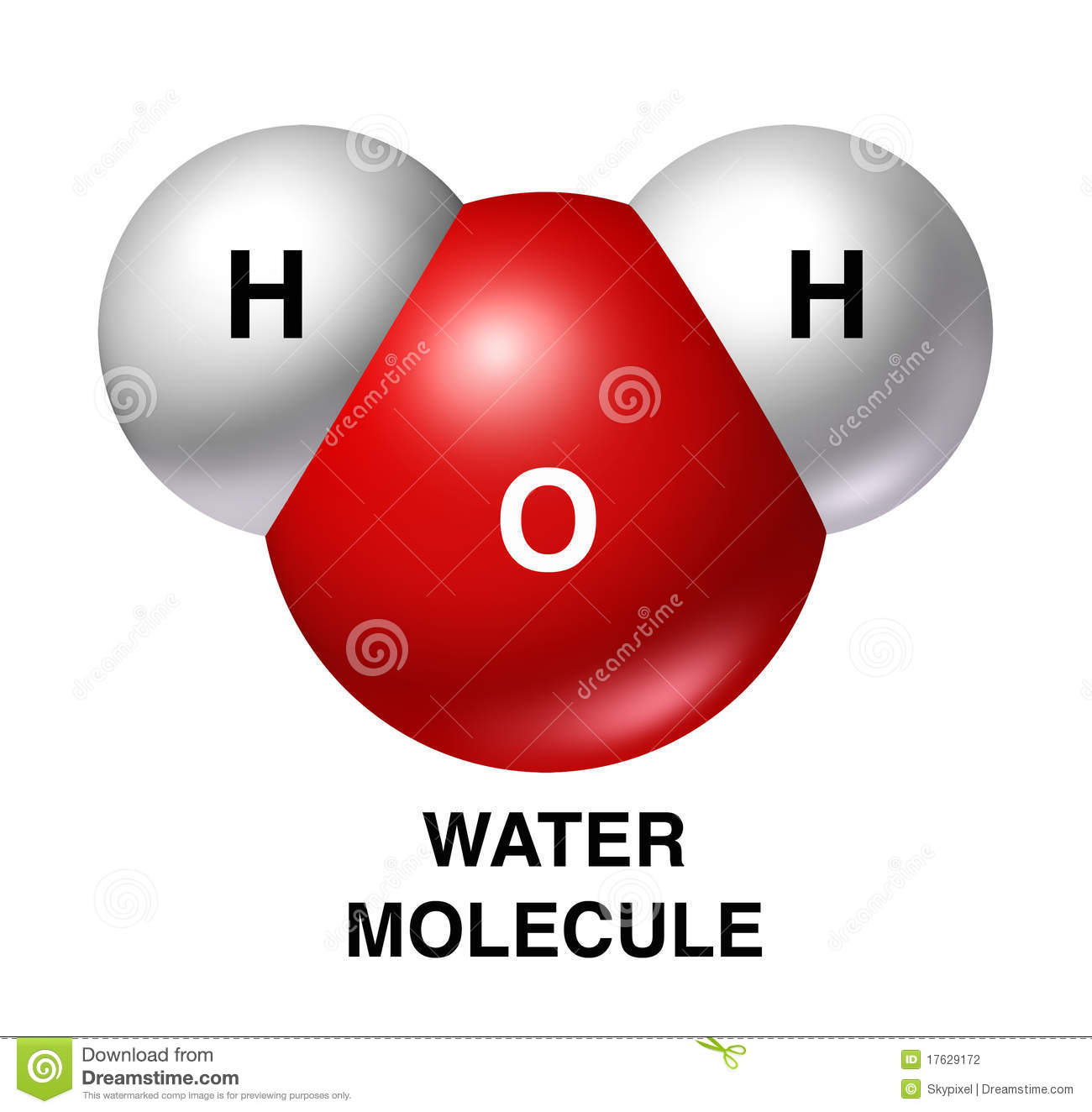
Which part of a water molecule has a Positive Charge?
The Hydrogen
The Oxygen
The Top
The Bottom
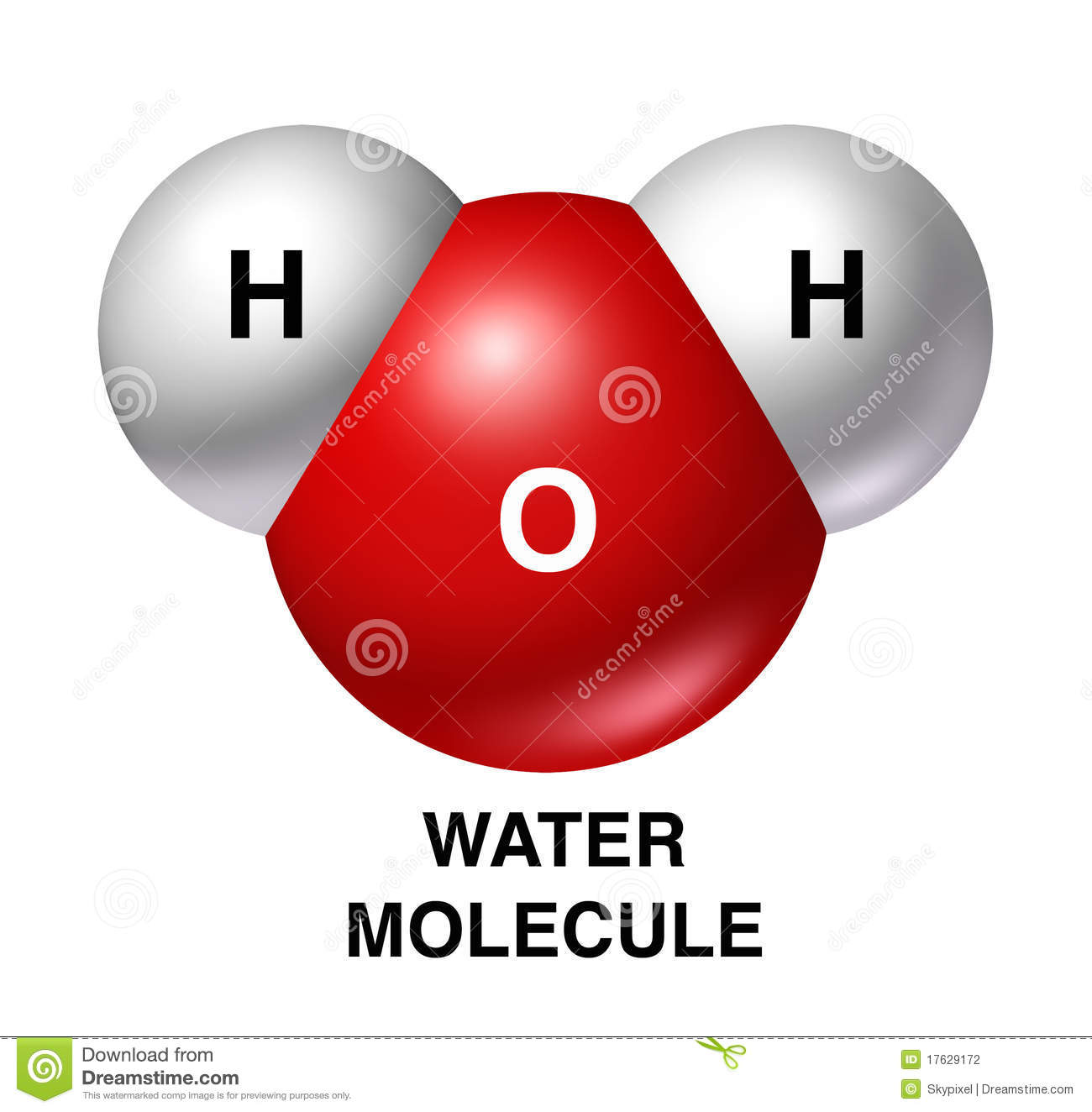
Which part of a water molecule has a Negative Charge?
The Hydrogen
The Oxygen
The Left
The Right
Which of the following can water NOT dissolve?
Ionic Compounds
Polar Compounds
Nonpolar Compounds
Which of the following is an example of COHESION?
water sticking to water
water sticking to glass
oil sticking to plastic
hydrogen sticking to oxygen
Which of the following is the CORRECT list of water's properties?
Read Carefully!
adhesion, cohesion, high specific heat, universal solvent
adhesion, cohesion, low specific heat, universal solvent
adhesion, no cohesion, low specific heat, universal solute
no adhesion, cohesion, high specific heat, universal solute
Water is polar. What does that mean?
it is a molecule with opposite charges on opposite ends
it is a molecule with no charge
it is a molecule with identical charges on opposite ends
it is a molecule with too many protons
Water sticks well to many materials. What term relates to this property of water?
cohesion
adhesion
density
surface tension
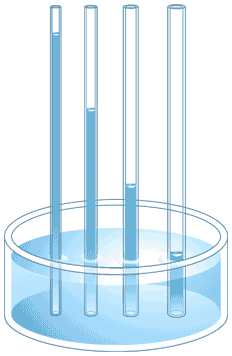
What is the term for water's ability to defy gravity and climb up a tube?
Capillary Action
Specific Heat
Universal Solvent
Magic

What are the bonds called between a slightly positive hydrogen in a polar molecule and a negatively charged atom?
Hydrogen Bonds
Water Bonds
Covalent Bonds
Bail Bonds

A water strider can skate along the top of a pond because:
covalent bonds result in water cohesion (surface tension)
hydrogen bonds result in water cohesion (surface tension)
water striders have adapted to take advantage of water cohesion
water striders are afraid of water and avoid it
Carbon has _____ valence electrons and can bond with 4 other atoms.
6
4
2
8
Giant molecule
micromolecule
macromolecule
The four groups of organic compounds are
sugar, salt, water, oxygen
proteins, carbohydrates, lipids, nucleic acids
carbon dioxide, methane, proteins, lipids
oxygen, proteins, nucleic acids, lipids
_______ molecules are the monomers that compose carbohydrates.
sucrose
adipose
glucose
water
_______ is the storage form of excess glucose in plants.
cellulose
glycogen
sugar
starch
_________ is the storage form of excess glucose in animals.
sugar
cellulose
starch
glycogen
A long chain of monomers covalently bonded together is a
salt molecule
inorganic compound
ionic compound
polymer
A _________ contains one molecule of sugar.
disaccharide
polysaccharide
lipid
monosaccharide
A __________ contains 3 or more monosaccharides.
simple sugar
polysaccharide
disaccharide
water molecule
A ________ compound is derived from living organisms containing carbon-carbon bonds.
inorganic
organic
A(n) ___________ compound does not contain carbon-carbon bonds and is NOT derived from living organisms.
organic
inorganic
___________ is the reaction whereby water is ADDED and polymers are broken down into individual monomers.
glycolysis
hydrolysis
condensation
polymerization
All carbohydrate names end with which ending:
-ise
-ase
-ese
-ose
Carbohydrates should be the largest part of a healthy diet.
True
False

Polymer's split apart to form ________, by __________.
monomers, hydrolysis
monomers, dehydration synthesis
amino acids, hydrolysis
amino acids, dehydration synthesis

