
 Worksheets
Chapter 3
Total questions: 67
Worksheet time: 2hrs 24mins

How much of our planet is estimated to be covered with water?
10%
25%
50%
75%
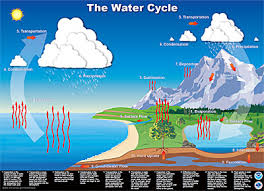
Water is heated and turns from a liquid to a gas called water vapor
(a)

The changes of water from one state to another as it moves from place to place
run-off
the water cycle
evaporation
precipitation
Water vapor cools and changes from a gas to a liquid
(a)

Rainfall that is not absorbed into the ground and travels back to the ocean.
run-off
transpiration
precipitation
evaporation
What causes water to change from one state to another?
clouds
the ocean
a change in temperature
none of the above
Water droplets fall from the clouds in the form of rain, sleet, snow, or hail.
(a)
What is the energy source for the water cycle?
the sun
water
the Earth
the moon
When the sun warms water, which resulting process occurs?
Precipitation
Runoff
Evaporation
Condensation
How does the energy from the sun influence the water cycle?
by trapping water particles in clouds
by turning liquid water into water vapor
by causing water to precipitate
by creating winds in the atmosphere
Any form of water that falls from clouds and reaches Earth’s surface.
accumulation
precipitation
condensation
surface runoff
During what part of the water cycle does water vapor turn into liquid droplets?
evaporation
condensation
precipitation
run off
What must happen to water vapor in order for it to turn into liquid droplets?
It must be heated.
It must be cooled.
It must remain the same temperature.
It must be pushed by wind.
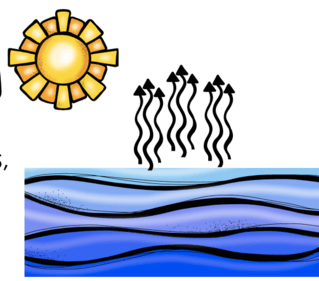
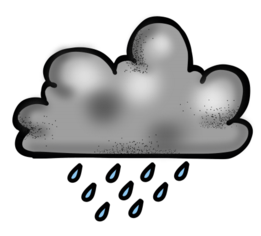
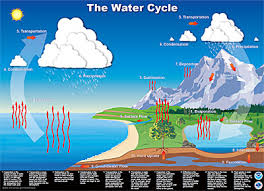
runoff
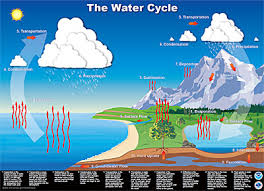

Water forms on the outside of iced tea on a hot day. What process causes the water to form?
Condensation
Evaporation
Precipitation
Transpiration
As water vapor rises in the atmosphere it can turn into water droplets or ice crystals which results in forming clouds.


Define evaporation
the process by which liquid water changes to water vapor
water that moves through soil or rock underground
any form of water that falls from clouds to Earth’s surface
the process by which water vapor in the air cools and becomes liquid water
Define condensation
the process by which water vapor in the air cools and becomes liquid water
he process by which liquid water changes to water vapor
the evaporation of water from plants
water that moves through soil or rock underground
Define precipitation
water that moves through soil or rock underground
the movement of water into the ground
any form of water that falls from clouds to Earth’s surface
the process by which water vapor in the air cools and becomes liquid water
Water that runs downhill on Earth’s surface
(a)
Define groundwater
water that moves through soil or rock underground
liquid water that runs downhill on Earth’s surface
the movement of water into the ground
the process by which liquid water changes to water vapor

What process is happening step A?
transpiration
evaporation
condensation
surface run-off
What process is happening step B?
transpiration
evaporation
condensation
surface run-off
What process is happening step C?
transpiration
evaporation
condensation
precipitation

Which process is happening to the outside of the glass?
transpiration
condensation
precipitation
evaporation
Water that evaporates from the ocean
contains salt and sand.
contains salt.
does not contain salt.
Most of Earth's water is found
underground in aquifers.
in rivers and lakes.
in the oceans.

Which term best describes the flow of water over land?
runoff
precipitation
transpiration
condensation

Which will most likely form during the condensation process?
rain
hail
clouds
runoff
What season is it if it is sleeting outside?
Winter, because ice will only form when it is very cold outside.
Summer, because the ice is very small and must have melted.
Winter, because sleet is made from snow, which forms when it is cold.
Summer, because hail is made from particles carries by warm air.
Which conditions are most likely to produce precipitation that falls to the ground as hail?
Cooling temperatures, high clouds, with strong winds
Cold temperatures, mostly cloudy, with mild wind
One afternoon Jerry looks out the window and observes falling precipitation. The temperature is 22°F and the wind speed is 5 kilometers (3 miles) per hour to the north. What type of precipitation does Jerry most likely observe?
hail
rain
sleet
snow
The amount of water vapor in the atmosphere
(a)
Fog is a type of cloud. Which process of the water cycle does it represent?
Evaporation
Condensation
Large pattern of weather that occurs over a large area and over a long period of time.
Climate
Weather
A mixture of rain and snow.
Sleet
Rain
Snow
Which of the following is a liquid form of precipitation?
snow
rain
sleet
hail
Snow forms when the temperature is below freezing.
True
False
Air pressure is measured using a(n) ________.
hygrometer
anemometer
barometer
thermometer
____ is how hot or cold something is.
temperature
humidity
altitude
wind speed
The forecast said a high pressure system will arrive this weekend. Benito and his friends want to go camping. Should they plan to go?
Yes, the low pressure system will create clear, sunny skies.
No, the low pressure system will cause it to be wet and rainy.
Yes, the high pressure system will create clear, sunny skies
What type of weather is usually found in low pressure areas?
hot and clear

What is the purpose of a barometer?
Tells you that it is going to rain.
Measures the amount of wind.
Measusres the amount of clouds in the sky.
It measure the amount of pressure in the air.
The weather forecast tomorrow says there will be 4 inches of rain, a low temperature of 65 degrees Fahrenheit and humidity of 58%. What three instruments will a meteorologist use to make this prediction?
rain guage, thermometer, hygromneter
anemometer, thermometer, barometer



Fog is a type of cloud. Which part of the water cycle does this represent?
Condensation
Evaporation
Select the right conditions if you have high temps and high pressure
clear and sunny
cold and rainy

Which best describes the current weather conditions in Portland, Oregon?
cold and snowing
warm and raining
warm, sunny, with a few clouds
cold, dry, and cloudy

