
Font size
 Worksheets
Unit 3 - Alternative sources of energy
Total questions: 35
Worksheet time: 23mins

Why is solar energy considered renewable energy?
It's cheaper than fossil fuels
The sun's energy will not run out for billions of years
Solar energy recharges batteries
It can significantly reduce electricity bills
(a) power is electricity produced by flowing water.
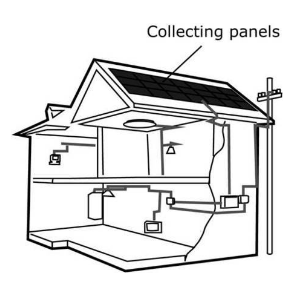
Which alternative energy source does this house use?
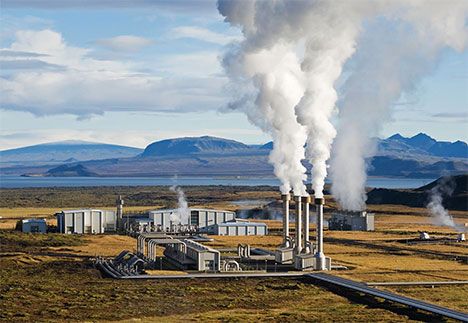
(a) refers to the (b) transferred from beneath the (c) of the Earth and used to produce (d) for human use
All of the following are considered renewable energy sources EXCEPT –
Wind
Coal
Biomass
Solar
Which one of these is NOT a type of renewable energy? (choose all that apply)
solar
wind
biomass
nuclear
fossil fuels
A home is built with clear glass panels that allow sunlight to pass through. This is an example of
Active solar
Passive solar
Parabolic collector
Photovoltaic Cells
Which renewable energy does not require spinning a turbine? (a)
wood
crop leftovers (the part of the plant that isn't consumed)
manure and/or trash
petroleum
corn/soybeans
Which of the following are characteristics of renewable energy resources? Select ALL that apply.
cannot be replaced quickly
less pollution and carbon emissions
expensive to set up
exists in an infinite supply
Which of the following are sources of renewable energy? Select ALL that apply.
wind
hydroelectric
oil
gas
solar
Which of the following are NOT sources of renewable energy. Select ALL that apply.
Biomass
Natural Gas
Solar
Coal
Nuclear

Which energy source is used in the following power plant?
Nuclear power
Tidal power
Geothermal power
Hydroelectric power

Which energy source is used in the following power plant?
Nuclear power
Tidal power
Geothermal power
Hydroelectric power

Which energy source is used in the following power plant?
Nuclear power
Tidal power
Solar power
Hydroelectric power

Which energy source is used in the following power plant?
Biomass power
Tidal power
Solar power
Hydroelectric power
Which of the following is a common drawback associated with wind turbines?
They can be noisy
They require a lot of space
They are expensive to install
They can disrupt local wildlife
A drawback of solar energy is that it is
intermittent
expensive to maintain
non-renewable
not widely used
Hot water is pumped up from deep inside Earth and is used to heat homes or to generate electricity. This describes...
nuclear power
hydroelectric power
geothermal power
tidal power
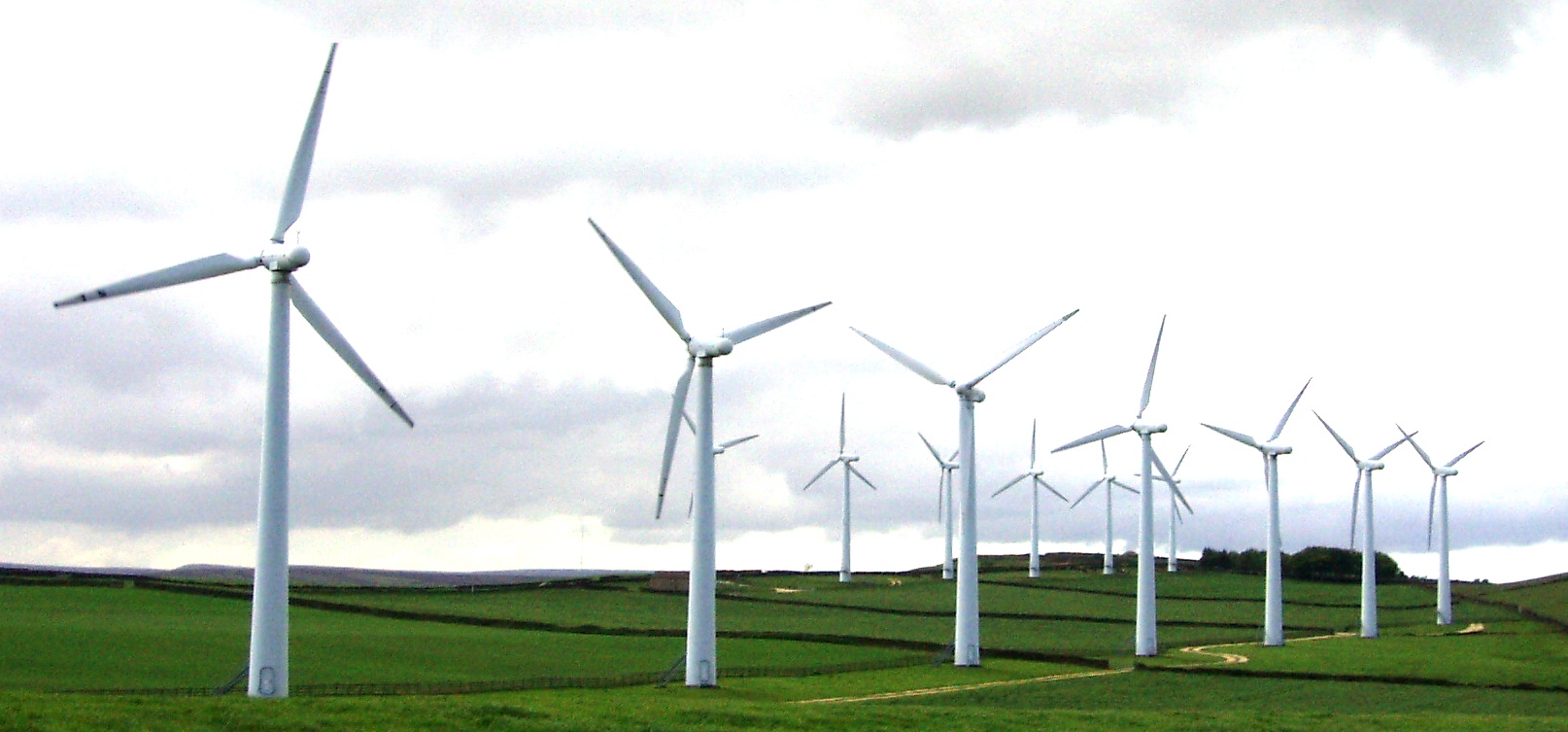
Plant materials and animal waste used especially as a source of fuel.
BIODEGRADABLE
BIOMASS
REDUCE
RECYCLABLE
Which of the following best describes renewable energy?
Energy from fossil fuels
Energy that is generated by burning up something
An energy source that is not used up
None of the Above
What type of renewable energy comes from building dams on rivers?
Wind power
Solar power
Hydropower
Geothermal energy
Solar thermal technologies capture the ___________ energy from the sun and use it for heating and/or the production of electricity
heat
light
Wave
temperature
Of the various non-conventional energy sources that are being tapped, which has the largest potential?
Water power
Wind power
Solar power
Biomass power
In the process of harvesting wind energy, ________ energy is converted in to electrical energy.
hydro
mechanical
electrical
light
--------- cells are used to harvest solar energy.
Fuel
Photovoltaic
Primary
Secondary
Tidal energy is produced by...
Utilizing the force of ocean tides to turn the blades of a turbine to generate electricity
Using the energy in algae to create clean and renewable biofuels
Steam rising naturally to the surface of the ocean is used by a power plant to turn a generator, therefore creating electricity
None of the them
Which country leads the world in wind energy capacity?
The Netherlands
United States
China
France
In a hydroelectric power station, _________ water from a reservoir is used to drive the trubines
polluted
stagnant
falling
dynamic
Which of the following is a common method for harnessing geothermal energy?
Drilling deep wells
Building solar panels
Constructing wind turbines
Using tidal barriers

