
 Worksheets
Ancient Egypt
Total questions: 100
Worksheet time: 1hrs 7mins

Egypt’s great pyramids were constructed during the...
Old Kingdom
First Intermediate Period
Middle Kingdom
New Kingdom

A state controlled by religious leaders.
monarchy
theocracy
democracy
aristocracy

A religion consisting of many gods.
polytheism
monotheism
deism
atheism
What is the river that was vital to the development of Egypt?
Togress
Euphtates
Nile
Amazon
Lower Egypt is in the __________ area.
Western
Northern
Eastern
Southern
The Nile River helped Egypt because
Rich Sediment for farming
Transportation
Irrigation
All other Answers
What is the river that was vital to the development of Egypt?
Togress
Euphtates
Nile
Amazon
Before the first pharaoh unites Ancient Egypt, it was broken into two different parts. Identify the names of these two parts.
Upper Egypt
Higher Egypt
Bottom Egypt
Lower Egypt
The head of Ancient Egyptian society was known as the __________.
president
emperor
dictator
pharaoh
Which writing system was used by the Ancient Egyptians?
pictographs
sanskrit
cuneiform
hieroglyphs
Ancient Egyptian history is broken into three different kingdoms. Identify the names of these three kingdoms.
Middle
Old
Before
Between
New

The following picture shows what of ancient Egypt?
Religon
Social Structure (Social classes)
Inventions
Geography
What religious belief in Ancient Egypt is connected to mummies?
belief in the sun god
belief in the afterlife
belief in many gods
belief that the ruler was a god
Who is credited with having united Upper and Lower Egypt into a single kingdom?
Menes
Khufu
Amenhotep I
Thutmose III
Who was the first female pharaoh of Egypt?
Hatshepsut
Amenhotep I
Cleopatra VII
Tutankhamun
Which pharaoh ruled Egypt for the longest time and is known as Ramesses the Great?
Menes
Khufu
Thutmose III
Ramesses II


The system of offices and officials that the pharaohs relied on to handle the business of government was called a __________.
HIEROGLYPHICS
COMMERCE
BUREAUCRACY
INTERDEPENDENCE
Ancient Egyptians developed a system of writing that used drawings and symbols called __________to represent words or sounds.
SCRIBES
HIEROGLYPHICS
MEROITIC SCRIPT
BUREAUCRACY
Through __________, which is the buying and selling of goods and services, Egyptians obtained needed goods and shared the ideas with their neighbors.
HIEROGLYPHICS
SCRIBES
MEROITIC SCRIPT
COMMERCE
From top to bottom, what is the correct order of the social structure of ancient Egypt?
Pharaoh, Scribes, Priests, Merchants, Farmers.
Pharaoh, Priests nobles & officials, Scribes, Merchants & artisans, Farmers, servants & slaves
Pharaoh, Priests, Scribes, Farmers, Merchants
Pharaoh, Priests, Farmers, Scribes, Merchants
The Book of the Dead is a well-known piece of ancient Egyptian literature that
explains the succession of pharaohs.
is a list of important citizens and officials who died.
is a guide to the afterlife for the souls of the dead.
tells the story of an Egyptian scribe who killed a pharaoh.
What were possible consequences of a drought in ancient Egypt?
The yield of grain crops would increase.
Crops would fail and cause hunger.
Forest fires would break out and destroy homes.
The sands would become hot and burning.
Read the story of Horus and Seth.
After the god Osiris became king of Egypt, his brother Seth took the form of a monster and killed him out of jealousy. Osiris’s son Horus and his uncle Seth competed in many contests to settle the argument over who was the true king of Egypt. In the end, Horus emerged victorious. His victory united the kingdoms of Egypt and ushered in an era of peace and prosperity. From that day forward, the people of Egypt considered each pharaoh to be Horus in the form of a human.
What was the significance of this story to ancient Egyptians?
Horus brought light and life to the people of Egypt as the sun god.
Priests of Horus’s temple in Thebes were also considered gods.
Pharaohs were considered gods on Earth, and therefore powerful.
The people feared Seth and tried to avoid his wrath.
What are the famous structures built as tombs for pharaohs called?
pyramids
temples
obelisks
sphinxes

What is located in the circled area of the map?
Mediterranean Sea
Upper Egypt
Thebes
Nile Delta

Name the body of water circled in the picture.
Mediterranean Sea
Persian Gulf
Red Sea
Nile River

Which river is located in the area circled?
Tigris River
Euphrates River
Indus River
Nile River

Which region of Egypt is circle on the map?
Upper Egypt
Lower Egypt

Which region of Egypt is circled on the map?
Upper Egypt
Lower Egypt

What large body of water is circled in purple on the map?
Mediterranean Sea
Persian Gulf
Red Sea
Nile Delta
What direction does the Nile River flow?
North to South
South to North
East to West
West to East

What famous burial site is located in the area that is circle?
The Valley of the Pharaohs
The Valley of the Dead
The Valley of the Living
The Valley of the Kings

What city is the arrow pointing too on the map? Hint: There is a large city in Tennessee named after this city.
Athens
Memphis
Crossville
Knoxville
King Tut, along with many Pharaohs of the New Kingdom was buried where?
In a pyramid
In the Valley of the Kings
In the Nile River Valley
In a secret tomb

Series of rulers from the same family
pharaoh
dynasty
noble
delta

On what continent is Egypt?
Asia
Africa
Europe
North America

A plant that grew thickly in the marshes of Egypt & was used for making paper.
reed
bamboo
papyrus
cattail

What was papyrus used for?
wrapping mummies
building coffins
making clay
to write on
How long did the Ancient Egyptian Civilization last?
3,000 years
1,000 years
10,000 years
300 years
Who was responsible for keeping written records?
Viziers
Scribes
Pharaohs
Farmers

Where is Egypt located?
North America
Europe
North Africa
Southeast Asia
Polytheism is the belief in
no god
one god
many gods

The ancient Egyptians used an __________ system to connect the river to their crops.
aqueduct
irrigation
papyrus
rosetta stone

The ancient Egyptians built _________ as tombs for the pharaohs.
graves
statues
pyramids
ziggurats
An area where a river fans out into various branches as it flows into a body of water is a
vizier
scribe
ocean
delta
A vizier is also known as a
king of Egypt
chief official
peasant
farmer
When people belong to different social classes which have a rank in society, this is known as a
hierarchy
hieroglyph
vizier
papyrus
To exchange (goods) means to
barter
delta
scribe
war
A merchant is a _______________
Trader
Priest
King
General
A huge stone slab inscribed with hieroglyphics, Greek, and a later form of Egyptian that allowed historians to understand Egyptian writing.
Translation Stone
Tut's Stone
Rosetta Stone
Ramses Stone

What did Egypt and Sumer(Mesopotamia) NOT have in common?
Owned slaves
Created writing systems
Mummified their dead
Traded with each other
Built their civilizations near great rivers
Who was the king that consolidated the two lands of Egypt?
King Ramsey
Cleopatra
King Menes
King Tut
Egyptian Civilization had multiple achievements including the pyramids, calendar, sculpture, and geometry.
True
False
The Nile River never floods.
True
False
2575 B.C.E. is when the New Kingdom period of Egypt begins.
True
False
The Nile River flows North.
True
False

The ancient Egyptians did not think ____ _____ was important. So, they pulled it out through the nose.
The stomach
The brain
The lungs
The liver

Ancient Egyptians put 4 internal organs in ______________.
canopic jars
four corners of the pyramid
the trash
boxes

Why were tombs filled with art, jewelry, and other treasures?
the tombs served as museums
the tombs were the private storage rooms of the pharaoh
Egyptians believed tombs to be the safest places in the kingdom
Egyptians believed the dead enjoyed such materials in the afterlife

Who would the people of Egypt blame if crops did not grow or if disease struck?
the farmers whose small villages were unclean
the mummies whose ka was distrubed
the pharaoh who was both ruler and god
the dynasty that was in power

The Rosetta Stone was important because
it is a unique artifact
it led to the decoding of hieroglyphics
it had Greek, Cuneiform, and Egyptian writing on it
it represented peace

Which ancient Egyptian practice BEST reflects the rights of women under Egyptian law?
Women were required to marry
Women were not allowed to work outside the home
Women had legal control over their children
Women were allowed to own property in their own name

What was the MAIN purpose of statues in ancient Egypt?
to provide a connection to the gods
to honor the contributions of workers
to mark boundaries of private property
to display the image of the pharaoh to citizens

The ancient Egyptian practice of mummification MOST reflected a belief in
healing rituals
an afterlife
technology
education

The Nile River did all of the following for the Egyptians, except…
provide several natural resources for the population.
provide food and water for the people of Egypt.
provide protection from invaders.
provide transportation through the kingdom.

He lived to be one of the oldest pharaohs ever and helped write the first peace treaty in recorded history.
Hatshepsut
Akhenaten
Ramses II
Amenhotep III

Which of the following is NOT a characteristic of civilization?
organized religion
writing & record keeping
military conquest of others
a system of government

This group of people made up about 80% of the population of Egypt.
Nobles & warriors
Priests & Scribes
Artisans & craftsmen
Peasants & slaves

Ancient Egyptians believed that when they died that they would...
meet Saint Peter at the Pearly Gates.
be judged by their deeds to determine which afterlife they go to.
be dead. To them there was no afterlife.
wander aimlessly in an eternal dessert of shadow and dust.

Ancient Egypt had more than one female pharaoh.
True
Fales
Egyptian farmers learned how to trap the flood waters and this led to a _________ of food, or more than what was actually needed.
surplus
deficit
What was the main purpose of mummification?
make sure the pharaohs bodies could fit into tombs located in the Nile River
because the God Anubis was created to protect mummies
preserve the pharaohs' bodies for the afterlife
to use up the excess toilet paper
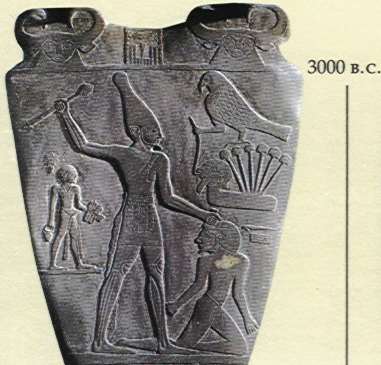
This kingdom was most known for having the most pyramids built.
Old Kingdom
Middle Kingdom
New Kingdom
Which did the Egyptians bury with the pharoahs?
Food
Servants
Treasures/Money
All of the above
what was the name of the first female pharaoh?
Thutmose lll
Hatsheput
Cleopatra
Osiris
What is one thing that men and women egyptians wear
Short kilt
Straight Dresses
Make up
Some type of shirt
Who were the earliest people to keep accurate health records?
Greeks
Egyptians
Romans
Chinese
Describe the surgical techniques used by ancient Egyptians and their impact on later medical practices.
Ancient Egyptians used advanced surgical techniques that influenced Greek and Roman medicine.
Ancient Egyptians had no surgical techniques and relied solely on magic.
Ancient Egyptians' surgical techniques were primitive and had no impact on later practices.
Ancient Egyptians' surgical techniques were only used for mummification.
The importance of cleanliness and hygiene in ancient Egyptian medical practices is significant. What is its relevance today?
It is not relevant today.
It is only relevant in historical studies.
It continues to be relevant in modern medical practices.
It is only relevant in cultural studies.
Whom is given credit for unifying Ancient Egypt and considered the first of the pharaohs?
Anubis
Menes
Hammurabi
Gilgamesh
During the mummification process, all of the organs were removed except the _____________.
intestines
lungs
heart
liver
brain
Who discovered the "untouched" King Tut's tomb?
Mr. Reno
Howard Carter
George Taft
Lord Vladimir
The largest pyramid is named after which famous pharaoh?
Khufu
Khafre
Tutankhamen
Menes


