
 Worksheets
Parts of a cell: Quiz BWHS
Total questions: 50
Worksheet time: 52mins

The jelly-like fluid inside of the cell. It holds the organelles in place.
cytoplasm
chloroplasts
cell membrane
cytokinesis

Responsible for packaging, modifying, and moving substances from the cell.
mitochondria
Golgi apparatus
smooth ER
rough ER

Jelly bean shaped structures that break down food molecules and release energy.
chloroplasts
lysosomes
cytoplasm
mitochondria

The control center of the cell. It houses DNA.
nucleus
nucleolus
mitochondria
cell membrane
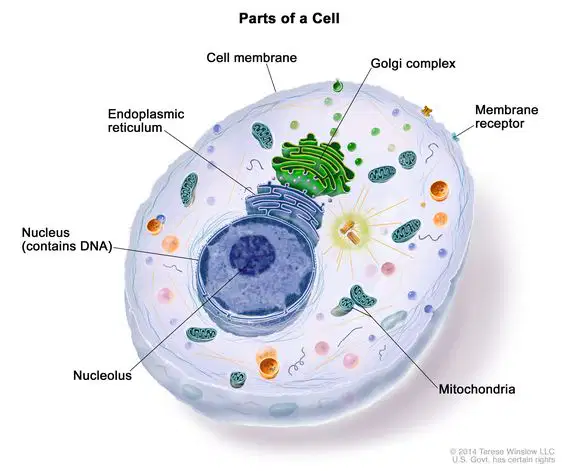
A structure that makes ribosomes. Found in the nucleus.
smooth ER
nucleolus
nucleus
rough ER

This is an organelle that loops back and forth and detoxifies the cell.
rough ER
smooth ER
lysosomes
Golgi
These are liquid filled spaces found in animal cells.
lysosomes
vacuoles
ribosomes
chloroplasts

These are round organelles that digest waste, old cell parts and food.
ribosomes
lysosomes
chloroplasts
vacuoles

This is a rigid structure that provides support to plant cells.
cell membrane
cell wall
cell gateway
central vacuole

These organelles contain green chlorophyll. They make food for plants.
lysosmes
chloroplasts
ribosomes
vacuoles
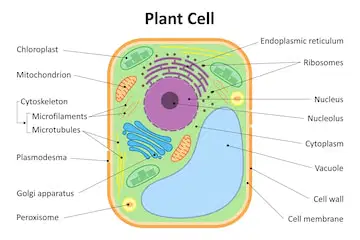
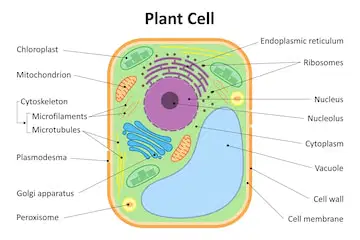
This stores water in plant cells.
chloroplasts
cell wall
lysosomes
central vacuole

These are protein builders. They are located on the rough ER.
vacuoles
lysosomes
mitochondria
ribosomes
The cell wall is on the (a) of the cell membrane.
What makes the rough ER rough?
lysosomes
vacuoles
chloroplasts
ribosomes
How many chloroplasts are found in an animal cell?
0
1 or 2
4 or 5
many
Bacteria is what kind of cell?
Eukaryotic
Prokaryotic
Prokaryotic cells are older than Eukaryotic cells
Flase
True
Plant and animal cells are identical.
True
False
The smallest unit of life.
Molecule
Cell
Bacteria
Any living thing, such s a plant, animal, fungus, yeast, or bacteria.
Organism
Mammal
Animal
Powerhouse
Endoplasmic Reticulum
Cell Wall
Chloroplast
Mitochondria

What is D pointing at?
Flagellum
Pilia
Cell Membrane
Nucleus
Plant cells contain what organelle that animal cells do not?
Chloroplast
nucleus
ER
mitochondria
which cell is more complex
Eukaryotic
Prokaryotic
Which type of cell has a true membrane-bound nucleus?
eukaryotic
prokaryotic
Ribosomes make....
coffee
lunch
protein
other cells
What is the nucleus?
a thin layer that encloses the cell
controls all life processes; "brains"
holds cell together
gatekeeper for cell
What gives instructions to the cells?
DNA
PNA
MBA
NBA
This organelle is stores food, water and waste.
Ribosome
Cytoplasm
Vacuole
Mitochondria
The _________ holds the dna for the cell
vacuole
smooth ER
rough ER
nucleus
What is the purpose of a microscope?
To make objects appear larger
To study living organisms
To magnify light
To clean microscope lenses
Which type of microscope is more powerful?
Simple microscope
Compound microscope
Electron microscope
Hand lens
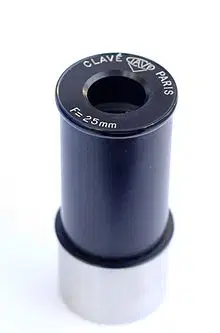
What is the function of the eyepiece in a microscope?
To hold the lens closest to the eye
To adjust the amount of light entering the stage area
To support the body tube
To move the tube up and down
Which objective lens is longer?
High-power objective lens
Low-power objective lens
Eyepiece
Diaphragm
What is the total magnification of a microscope with an eyepiece magnification of 10x and an objective lens magnification of 40x?
400x
50x
4000x
100x
What type of slide would you use to study organisms living in pond water while they are still alive?
Temporary slide
Permanent slide
Cover slip
Base
How should a microscope be held?
With one hand holding the arm and the other supporting the base
With one hand holding the eyepiece and the other supporting the stage
With one hand holding the diaphragm and the other supporting the mirror
With one hand holding the nosepiece and the other supporting the body tube
What should be used to clean microscope lenses?
Special lens paper
Regular tissues
Cloth
Lab partners t-shirt
Which part of the microscope is responsible for adjusting the amount of light entering the stage area?
Diaphragm
Eyepiece
Fine adjustment knob
High-power objective
What is the proper way to focus a microscope?
Upward toward the slide
Downward toward the slide
Sideways away from the slide
Diagonally across the slide
Label the parts 1-10 microscope.
Objective Lens
Diaphragm
Light Source
Coarse Adjustment Knob
Stage
Stage Clip
Eye Piece (Ocular lens)
Nosepiece
Body Tube
Arm
When viewing a slide under a microscope you should start by using the
lowest objective
highest objective
whichever you want
no objective
These are found on the revolving nosepiece and range from 4x to 100x.
eyepiece
diaphragm
objective lense
stage
What will be the total magnification if the ocular lens is 10X and the objective lens is 10X?
10X
100X
1000X
1X
The greater the ___________________, the smaller the field you are actually viewing.
detail
objective
magnification
body
Which part of the microscope do you never use under high power?
Diaphragm
Coarse adjustment
Stage
Fine adjustment
What is the function of the body tube?
Connects the eyepiece to other lenses
Carry the microscope
Allows the microscope stand upright
Allows light to get to the specimen
Who was the person who used his microscope to observe a thin slice of cork, and concluded that the cork was made up of cells?
Robert Hooke
Bill Nye
Matthias Schleiden
Rudolf Virchow
What is the function of stage clips?
To move the objectives
To keep the slide secure
To adjust the focus
To look through
The__________ sharpens the image under high magnification.
the diaphragm
fine adjustment knob
coarse adjustment knob
the ocular

