
 Worksheets
grade 7 change in energy in chemical reaction
Total questions: 124
Worksheet time: 1hrs 10mins
Endrgonic reaction
Energy is released
Which of the following is true about energy changes in a chemical reaction?
Energy can be transformed
Energy is created
Energy is only absorbed
Energy is always lost
What role does activation energy play in chemical reactions?
It is the energy required to start a reaction
It is the energy released during a reaction
It is the energy stored in products
It has no effect on the reaction
Physical
Chemical
Energy transfer
exothemic
You know that a chemical reaction has occurred if
there is a precipitate (new solid)
there is a color change.
there is a temperature change.
All of these answers are evidence.
heat or light is produced
A(an) ______ is the number that appears before a formula in a chemical equation.
subscript
coefficient
ratio
denominator
How is a chemical change different from a physical change?
there is no difference
a physical change creates a new substance
a chemical change creates a new substance
energy is released when atoms form bonds.
Which of the following IS a physical change?
Getting a haircut
Rusty metal
A compound
sour milk
A chemical change is different than a physical change because in a chemical change
chemicals are used
molecules do not physically touch
a new substance is formed and in a physical no new substance is formed
the change can be seen but in a physical change it cannot
In chemical reactions, what does the Law of Conservation of Matter mean?
Matter is not created or destroyed.
The total mass of the reactants is greater than the total mass of the products.
The total mass of the reactants is less than the total mass of the products.
Matter is not changed.

reactants
coefficients
subscripts
none of the answers are correct
What is the total energy possessed within an object or system due to the movement of the particles within the object or system?
Potential energy
Thermal energy
Temperature
What is the measure of the average kinetic energy of the particles within an object or system?
Temperature
Thermal energy
Speed
Kinetic unit
True or False: Chemical reactions either consume thermal energy or produce it, depending on the chemicals involved.
True
False
Making chemical bonds ____________ energy in the form of heat and light.
absorbs
creates
releases
destroys
Breaking chemical bonds requires __________ of heat energy to complete the work.
release
the creation
the destruction
absorption
Chemical reactions that release thermal energy into the surroundings are called
exothermic reactions.
endothermic reactions.
heat reactions.
cold reactions.
During an exothermic reaction, you will observe
a decrease in temperature.
an increase in temperature.
no change in temperature.
Chemical reactions that absorb thermal energy from the surroundings are called
exothermic reactions.
endothermic reactions.
heat reactions.
cold reactions.
During an endothermic reaction, you will observe
a decrease in temperature.
an increase in temperature.
no change in temperature.
Photosynthesis is an example of
an exothermic reaction.
an endothermic reaction.
Combustion is an example of
an exothermic reaction.
an endothermic reaction.
For an endothermic reaction
the starting energy of the reactants is greater than the ending energy of the products.
the starting energy of the reactants is less than the ending energy of the products.
there is no change in energy between reactants and products.
For an exothermic reaction
the starting energy of the reactants is greater than the ending energy of the products.
the starting energy of the reactants is less than the ending energy of the products.
there is no change in energy between reactants and products.
True or False: Because of the energy difference between making and breaking bonds, chemical reactions almost always involve a change in energy from start to finish.
True
False
Cooking is an example of an
exothermic reaction.
endothermic reaction.
Rusting is an example of an
exothermic reaction.
endothermic reaction.
An instant hot pack is an example of an
exothermic reaction.
endothermic reaction.
An instant cold pack is an example of an
exothermic reaction.
endothermic reaction.
Respiration is an example of an
exothermic reaction.
endothermic reaction.
What happens to particles when their temperature increases?
The particles move slower
The particles move faster
The particles lose mass
The particles gain mass
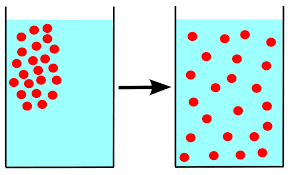
The model shows ice in a particle model. As thermal energy increased, the water particles _________________.
moved apart; increased speed
moved closer; increased speed
moved apart; decreased speed
moved closer; decreased speed
In which state of matter are the molecules spaced farthest apart?
Solid
Liquid
Gas
All are equal
When ice sits out on a counter and melts, it is because the ice has...
gained mass
gained energy
lost mass
lost energy
According to the Law of Conservation of Mass,
matter is always created in a chemical reaction
matter is always destroyed in a chemical reaction
matter is created and then destroyed in a chemical reaction
matter is not created or destroyed in a chemical reaction
Substances created, or made, during a chemical reaction are known as the
reactants
products
chemicals
substances
Substances that start a chemical reaction are known as the
reactants
products
chemicals
substances
The law of conservation of mass can be demonstrated by a chemical reaction. Which of the following models of a chemical reaction best represents the law of conservation of mass?


In which of the following examples has a chemical reaction occurred?
After putting liquid batter into a hot pan, the batter solidifies and begins to turn brown.
After turning on a blender filled with fruits, the fruit is chopped up and mixed together.
After taking a tray filled with ice cubes out of the freezer, the cubes begin to melt.
After adding a spoonful of sugar to a mug of hot coffee, the sugar dissolves completely.
When carbon and oxygen combine chemically, the mass of the product is
greater than the mass of the carbon plus the mass of the oxygen
equal to the mass of the carbon plus the oxygen
equal to the mass of the carbon
less than the mass of the carbon

The picture to the right shows a demonstration of water changing from the liquid phase to the gas phase as it boils in a beaker.Which of the following statements explains why this demonstration cannot be used to prove that matter is conserved during a change of phase?
The change of phase is incomplete.
Water is changing both phase and temperature.
Water in the gas phase is lighter than liquid water.
The change of phase is taking place in an open system.
How many Nitrogen atoms are in N2?
___________________ are materials that ALLOW heat and electricity to move easily through them.
Conductors
Insulators
______________ are materials that RESIST the flow of heat or thermal energy.
Conductors
Insulators
In an endothermic reaction, heat is ...
taken in
given out
Any characteristic of matter that you can observe with out changing the identity of the substances that make it up is a ________ property.
Chemical
Physical
Any characteristic of matter that can be observed as it changes to a different type of matter a ________ property.
Chemical
Physical
What is the property used to identify materials that describes the ability for electricity to flow through a substance called?
flammability
density
solubility
conductivity
What is the property used to identify materials that describes the ability of one material to dissolve in another material called?
flammability
density
solubility
conductivity
What is the property used to identify materials that describes the amount of mass in an object compared to its volume called?
flammability
density
solubility
conductivity
What type of property is the ability of a substance to burn, or flammability?
chemical
physical
What type of property is the ability of a substance to dissolve into another substance, solubility?
chemical
physical
What type of property is the ability of a substance to react with another substance like HCL acid, reactivity?
chemical
physical
What type of property is the ability of a substance to react with oxygen and rust, oxidation?
chemical
physical
What type of property is the ability of a substance conduct electricity through it, conductivity?
chemical
physical
What are the signs that a chemical reaction has occurred?
change in temperature
change in color
bubbles
Two different silver metals were found on the shelf of my science storage room and I need to put them back in the correct spot. They are either aluminum or iron. The metals are different densities, have different melting and boiling points, and iron rusts and aluminum doesn't. What would be best for me to do to identify what metal it is?
boil it in hot water
check to see if it rusts
scratch the surface with a hard tool
weigh it on a balance
What is the law of conservation of mass?
In any chemical reaction, the mass of the products is always greater than the mass of the reactants because some mass is lost during the reaction.
In any chemical reaction, the mass of the products is always less than the mass of the reactants because some mass is added during the reaction.
In any chemical reaction, the mass of the products is always equal to the mass of the reactants because no mass is lost during the reaction.

If I put add an alka seltzer tablet to a glass of water, it produces bubbles. What happens to the mass inside the glass after the reaction?
The mass stays the same.
The mass in the glass increases because when the atoms combine they are heavier than the were in the begining.
The mass in the glass decreases because some of the mass escapes in the bubbles that are created during the reaction.
What model of the energy transfer is occurring in and endothermic reaction?


What model of the energy transfer is occurring in and exothermic reaction?


The following chemical reaction occurred during the experiment in the picture.
Citric acid + Sodium bicarbonate -> Carbon dioxide + water + Sodium citrate
What happens to the total mass before and after the reaction?
The mass increases.
The mass decreases.
The mass stays the same.

The following chemical reaction occurred during the experiment in the picture.
Citric acid + Sodium bicarbonate -> Carbon dioxide + water + Sodium citrate
What happened to the temperature during the reaction?
it decreased
it increased

The following chemical reaction occurred during the experiment in the picture.
Citric acid + Sodium bicarbonate -> Carbon dioxide + water + Sodium citrate
During the reaction, the bottle became colder. What model of the energy transfer is occurring in this reaction?
endothermic
exothermic

The following chemical reaction occurred during the experiment in the picture.
Citric acid + Sodium bicarbonate -> Carbon dioxide + water + Sodium citrate
What was the direction of energy of the reaction?
energy in
energy out

Eggs being cooked in a skillet is an example of an ____________ reaction because the eggs absorb heat (energy).
endothermic
exothermic

Toothpaste breaks down acids in your mouth which releases energy. This is an example of an ____________ reaction.
endothermic
exothermic

When rust forms on nails, new bonds are formed and energy is released. This is an example of an _____________ reaction.
endothermic
exothermic

Energy is released during the process of cellular respiration. This is an example of an ___________ reaction.
endothermic
exothermic

One of the products of combustion is heat. This means it is an example of an ____________ reaction.
endothermic
exothermic

During evaporation, water absorbs heat so that bonds can break and water vapor forms. This is an example of an _____________ reaction.
endothermic
exothermic

During photosynthesis, plants absorb energy (heat) from the sun to break down the bonds in water and carbon dioxide. This process is an example of an _____________ reaction.
endothermic
exothermic

Lighting a match produces heat (energy) as the match stick burns. This is an example of an ____________ reaction.
endothermic
exothermic
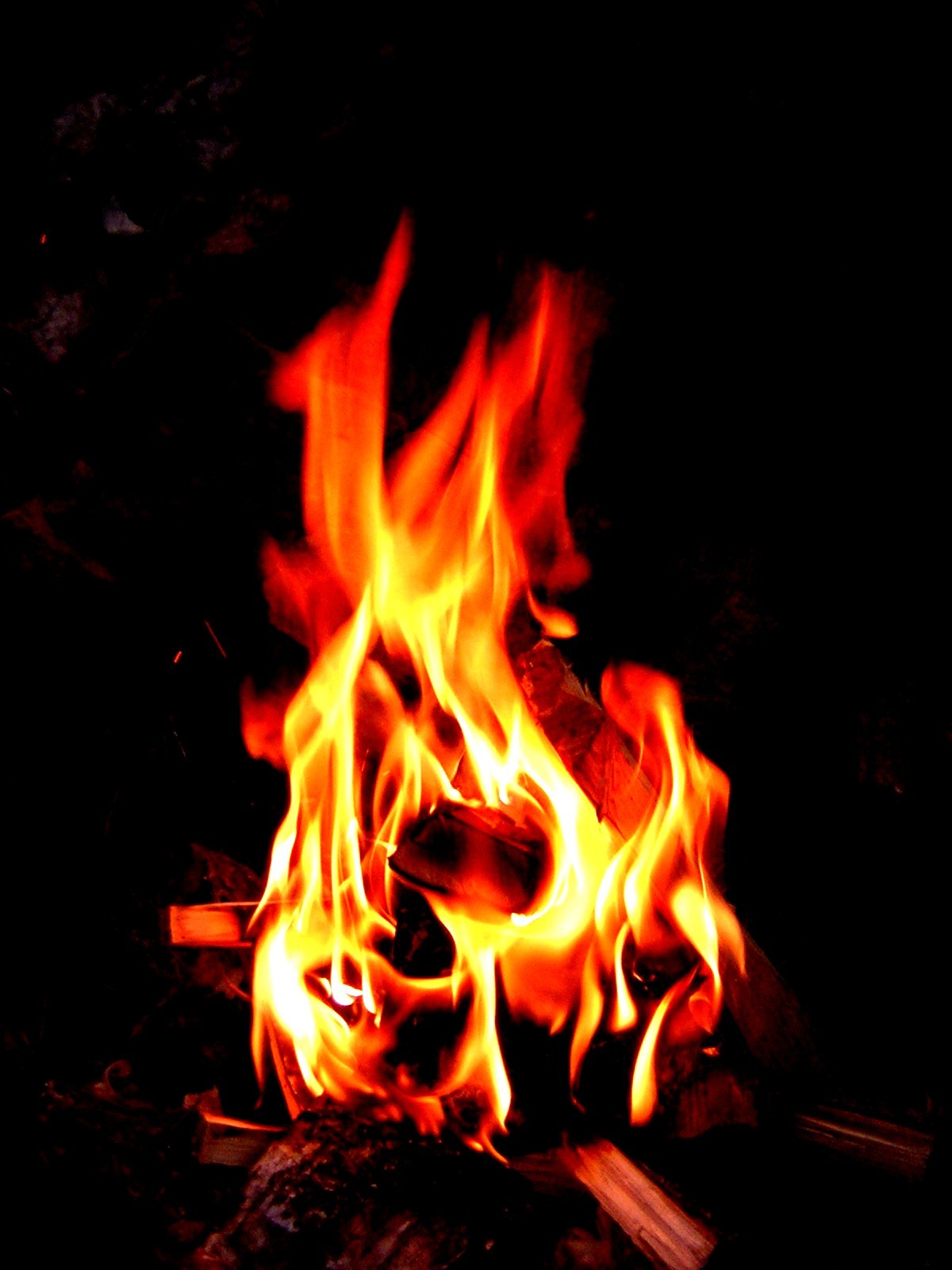
_____ reactions usually feel hot!
endothermic
exothermic
In an endothermic reaction, energy is _________.
absorbed
released
What kind of equation is this: 2KI + MgCl2 + 200KJ ----> 2KCl + MgI2
Endothermic
Exothermic
What term is given to a reaction which transfers heat energy to the surroundings?
Endothermic
Reversible
Exothermic
Exotermic
if more heat energy is released in making bonds in the products than is taken in when breaking bonds in the reactants
Exothermic
Endothermic
Exotermic
Endotermic
if less heat energy is released in making bonds in the products than is taken in when breaking bonds in the reactants
Endothermic
Exotermic
Exothermic
Entrothermic
What type of chemical reaction absorbs energy and requires energy for the reaction to occur?
Endothermic
Exotermic
Exothermic
Endotermic
In an endothermic reaction, heat is ...
taken in
given out
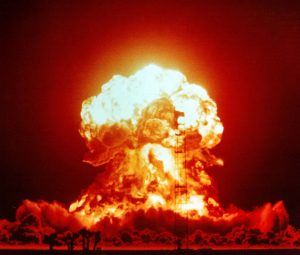
_____ reactions usually feel hot!
endothermic
exothermic
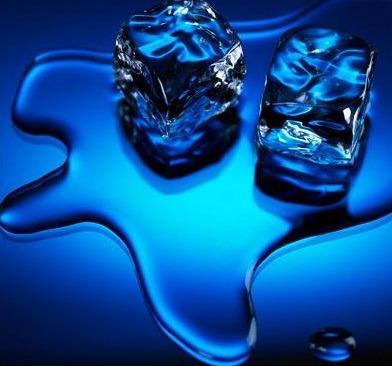
____ reactions usually feel cold.
endothermic
exothermic
After endothermic and exothermic reactions matter _________________.
stays the same.
is destroyed.
is created.
is denser.
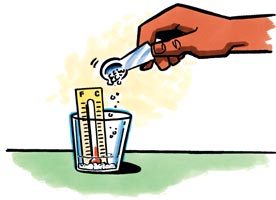
In an endothermic reaction, heat is ...
taken in or absorbed
given out or released
Neither
What is an example of exothermic?
firework
ice pack
coal
wood

In an exothermic reaction, heat is ...
taken in or absorbed
given out or released
Neither

