
 Worksheets
Health and Safety Quiz
Total questions: 25
Worksheet time: 13mins
What should you do if you witness an accident or near miss?
Make the area safe and report it
Ignore it and walk away.
Take a video and post it online.
Wait for someone else to handle it.
What are the three elements needed to start a fire?
Oxygen, Heat, Fuel
Earth, Wind, Fire
Light, Sound, Air
Metal, Wood, Water
Which of the following are essential PPE items required on most construction sites?
Hard hat, safety goggles, gloves, Steel-toed boots
Safety goggles, knee pads, ear warmers
skull cap, hand warmers, jumper
Shin pads, cleats, socks
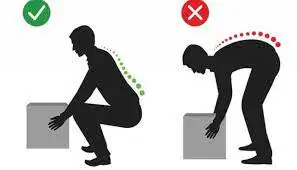
What is the correct name for Lifting
Kinetic
Biotic
Lifting
Manual Handling
What should you always check before using electrical equipment?
Ensure the equipment is turned off
Check for any visible damage
Verify the power source is compatible
Make sure you have the correct tools
What is the employer’s primary responsibility under the Health and Safety at Work Act 1974?
To ensure the health, safety, and welfare of employees at work
To provide free meals to employees
To offer flexible working hours
To organize team-building activities
What are employees required to do under the Health and Safety Act?
Ensure their own safety and the safety of others
Ignore safety protocols
Only follow instructions from supervisors
Report to work regardless of conditions
Identify the most common hazard found on construction sites.
Falling objects
Electrical hazards
Slips, trips and falls
Chemical exposure
What does COSHH stand for and why is it important?
Control of Substances Hazardous to Health; it is important for ensuring workplace safety.
Control of Substances Harmful to Health; it is important for environmental protection.
Control of Substances Hazardous to Health; it is important for food safety.
Control of Substances Harmful to Health; it is important for public health.
What should you do if noise levels exceed 85 dB(A) on-site?
Wear hearing protection
Ignore the noise
Increase the volume
Leave the site
What are the first three steps you should take when responding to a workplace accident?
Ensure your own safety, assess the situation, call for help
Panic, run away, ignore the accident
Blame someone else, take a break, continue working
Document the accident, call your lawyer, post on social media
What is one safety precaution to take when working at heights?
Use a safety harness
Wear comfortable shoes
Carry heavy tools
Work alone
Which of the following factors should be considered in a manual handling risk assessment?
Weight of the load
Repetitiveness of the task
Environment conditions
Individual capability
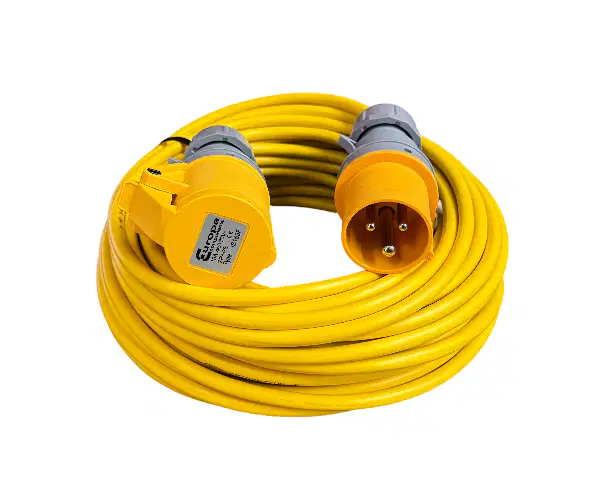
What voltage is this
110v
120v
240v
100v
What should you do if you discover a fire?
raise the alarm, call emergency services and evacuate
Ignore it
Try to extinguish it yourself
Run away without alerting anyone
Who is responsible for filling out the accident book?
The injured person
The employer
A witness
The safety officer
What safety checks should you do before using electrical tools?
Check for damaged cords or plugs
Ensure the tool is turned off before plugging in
Wear appropriate personal protective equipment
All of the above
What types of incidents need to be reported under RIDDOR?
Work-related accidents causing death
Minor injuries requiring first aid
Near misses with no injury
All workplace incidents
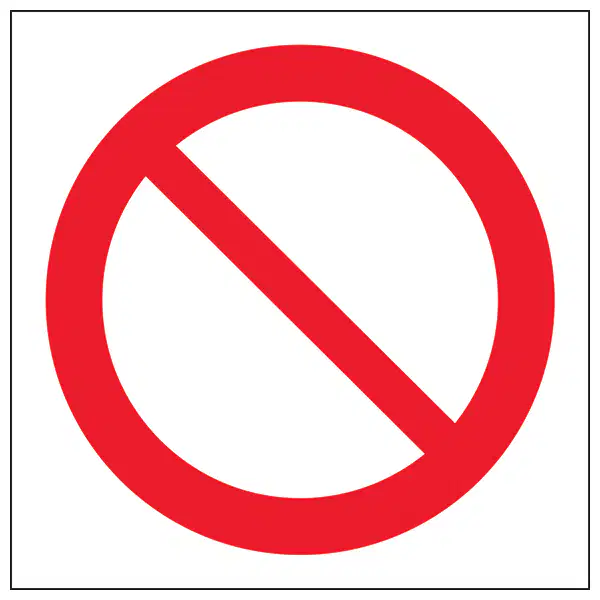
What does a red circle with a line through it indicate?
Stop
No entry
Warning
prohibition
Why is personal hygiene important on construction sites?
To prevent the spread of diseases
To improve construction speed
To reduce material costs
To enhance architectural design
Which type of fire extinguisher should you use on an electrical fire?
Water
Foam
CO2
Dry Powder
Why is it important to report near misses?
To improve safety by preventing future incidents
To increase paperwork
To blame employees
To avoid responsibility
The purpose of a toolbox talk is to:
Improve communication among team members
Ensure safety protocols are followed
Discuss project timelines
Evaluate team performance
Control measures are necessary because they:
Ensure safety and compliance
Increase production costs
Are optional in most industries
Have no impact on efficiency
Before handling a chemical you’ve never used before, you should:
Read the safety data sheet
Ask a colleague for advice
Proceed without any precautions
Check the chemical's color

