
 Worksheets
PPT 13 - Testing and replacing components
Total questions: 21
Worksheet time: 11mins
What is the purpose of following industry standards and manufacturers' instructions in plumbing?
To increase the cost of installation
To avoid problems and ensure safety
To reduce the quality of work
To make the process faster
What is the most important document to consult when identifying faults with hot water systems?
User manual
Manufacturer’s instructions
Installation guide
Warranty card
What is an invaluable source of information when identifying faults?
The customer
Diagnostic tests
Repair manuals
Online forums
Why might a discussion with the customer lead to a successful repair?
It eliminates the need for any tools
It often provides detailed fault characteristics
It replaces the need for professional help
It always results in a permanent fix
What is the likely fault if discoloured water appears at hot water taps in a system with a double-feed indirect cylinder?
Pump failure
Pinhole corrosion in the cylinder heat exchanger coil
Air in the radiator
Faulty float-operated valve
If the hot water via the primary circulation pipes is working correctly, but the radiators are lukewarm and cold upstairs, what is the fault?
Pinhole corrosion in the cylinder
Air in the radiator
Pump failure
Faulty float-operated valve
What should be done if the overflow of the F&E cistern runs constantly, even when the heating system is off?
Replace the pump
Adjust the float-operated valve
Drain down both hot water and heating systems and replace the hot water storage cylinder
Add corrosion inhibitor
What is the likely cause of no hot water in a semi-gravity system with cold gravity primary circulation pipes?
Airlock in the system
Evaporation of water in the F&E cistern
Faulty thermostat
Blocked radiator
What is a temporary solution for a radiator that is cold in the middle due to black oxide sludge?
Replace the radiator
Flush the radiator with cold water
Increase the water pressure
Install a new thermostat
What is required to permanently resolve the issue of black oxide sludge in a radiator?
Regularly bleed the radiator
Power flush and add corrosion inhibitor
Replace the radiator
Increase the heating temperature
What is the term used to describe the noise a boiler makes when the water begins to reach temperature?
Kettling
Bubbling
Hissing
Whistling
What is a likely cause of kettling in a boiler?
Air trapped in the system
Calcium deposits (limescale)
Faulty thermostat
Low water pressure
Which procedure is recommended to resolve the issue of kettling in a boiler?
Replacing the boiler
Power flush with sludge remover and descaler
Increasing the water temperature
Insulating the boiler pipes
How often should routine maintenance be conducted?
Monthly
Annually
Bi-annually
Quarterly
Which of the following is a part of routine maintenance tasks?
Replacing all pipes
Checking pressure charge in expansion vessels
Painting the boiler
Installing new valves
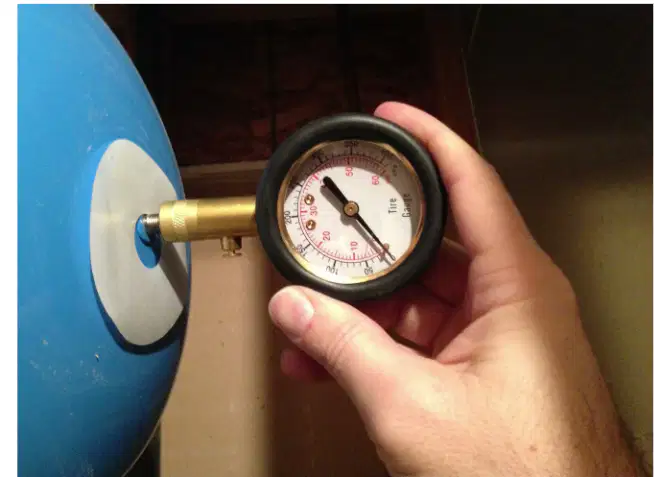
What should be checked for signs of leakage during routine maintenance?
Only the boiler
Only the expansion vessel
Pipework, controls, and appliances
Only the pressure-relief valves
What is a necessary safety measure when dealing with services like electricity and gas?
Leave them as they are.
Ensure they are safely isolated and pipework capped.
Only isolate them if there is a visible issue.
Use them as normal during the work.
What type of water is used to fill the system during the initial system fill?
Fluid category 3 water
Fluid category 2 water
Fluid category 1 water
Distilled water
What is the primary function of an inhibitor in a central heating system?
To increase water pressure
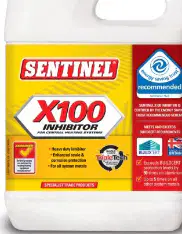
To provide chemical protection against scale and corrosion
To reduce noise levels
To enhance heat output
How can an inhibitor be added to a central heating system?
Through the thermostat
Via the F&E or through a radiator
By adjusting the boiler settings
Through the main water supply
Why must the primary vent terminate over the F&E cistern?
To prevent water overflow
Due to the chemical content of primaries
To increase water flow
To reduce energy consumption

