
 Worksheets
Warnock US History Test 3 10-02-24
Total questions: 146
Worksheet time: 3hrs 32mins
Which state was NOT a part of the New England colonies?
Connecticut
Rhode Island
Georgia
New Hampshire

What were the two main religious groups that settled in New England?
Puritans and Catholics
Pilgrims and Protestants
Puritans and Pilgrims
Protestants and Catholics

What was the main reason the Pilgrims came to New England?
To Find Gold
To Separate From the Church of England
To Own Land
To Gain Fame and Glory

How were the Puritans different from the Pilgrims?
They had different beliefs about the Bible.
They believed that the Church of England was too strict.
They wanted to separate themselves from the Church of England.
They wanted to reform the Church of England.

What was the name of the Native American who taught the New Englanders how to plant crops and helped establish trade with the local tribes?
Patuxet
Squanto
Metacomet
Samoset

Who was the governor of the Massachusetts Bay Colony?
John Rolfe
John Smith
John White
John Winthrop

Who was accused of sedition by the Puritans and forced to leave the Massachusetts Bay Colony?
Roger Williams
John Winthrop
Anne Hutchinson
John White
Where in America was religious tolerance FIRST practiced?
Rhode Island
Cape Cod
Massachusetts
Boston
The Puritan's settlement was called...
Virginia
Jamestown
Massachusetts Bay
Plymouth
Why was King Philip's war fought?
Philip was angry about the colonist theft of land.
Philip was angry about the diseases the colonist brought with them.
Philip was angry about the way the colonist hunted.
Philip was angry about the way the colonist talked.
Dissent
to disagree with an opinion
to give someone a gift
The Fundamental Orders of _____ is the first written constitution in the English colonies.
Connecticut
Massassachusetts
Rhode Island
Jamestown
New Hampshire, Massachusetts, Rhode Island, and Connecticut are part of which region?
New England Region
Middle Region
Southern Region
Cold winters, subsistence farming, Puritans, Pilgrims, fishing, and rocky soil all describe which region?
New England Region
Middle Region
Southern Region
No region
A piece of paper signed by the King granting permission to create a colony is called?
chipper
charger
charter
charming
Which of the following best describes mercantalism?
Importing raw goods to export more manufactured goods
British policy that said colonies could only trade with England
British allowing the colonies to govern themselves
Three way trade between America, Europe, and Africa
Which of the following is the best explanation for the reason the Southern Colonies (Virginia) were founded?
In order to escape religious persecution
To practice religion freely
In order to make gold for their joint-stock companies
In order to grow cotton
Which of the following correctly lists two British colonies that were founded by colonists for religious purposes?
Virginia and Rhode Island
South Carolina and Connecticut
Georgia and New York
Massachusetts and Pennsylvania
Which of the following is an example of a way African slaves brought culture across the Middle Passage?
clothing
African religion became mainstream in America
foodways like yams, rice, and sweet potaotes
shotgun housing
The Fundamental Orders of Connecticut, the Virginia House of Burgess's and the Mayflower Compact are all examples of what?
self governance during Salutary Neglect
Parliamentary Sovereignty
Federalism
Checks and Balences
What occurred during the Great Awakening?
thousands of Puritans fled England and came to colonial New England
massive numbers of Native Americans died due to European diseases
colonists realized that British mercantilism was hurting their trade
increased religious enthusiasm led to the growth of new Christian denominations
What was one effect of the French and Indian War?
Britain removed its expensive army from America
Indians pledged their alliance to the British instead of the French
Britain agreed to allow the colonists to form colonial assemblies
Britain had huge war debts that had to be paid off
How did the colonists respond to the Proclamation of 1763?
Colonists were excited because they gained land near the Mississippi River
Colonists were happy because they could vote on the law in their colonial assemblies
Colonists supported the Ottawa Indians and fought in Pontiac’s Rebellion
Colonists were angry because Britain refused to allow them to move across the Appalachian Mountains
How did the colonists respond when the British created the Stamp Act?
Colonists used boycotts and protested these new taxes
Colonists supported these new taxes to help pay for the French and Indian War
Colonists protested by participating in the Boston Massacre
Colonists formed militias called minutemen to fight British troops
Which document was most crucial in changing the minds of Americans to support independence from Britain in 1776?
the Olive Branch Petition
John Locke's Two Treatises on Government
Thomas Paine's Common Sense
an account of the Battle of Lexington
Which one of the following is not apart of the Committee of Five?
John Adams
George Washington
Thomas Jefferson
Robert Livingston
What was the significance of Shay’s Rebellion in American history?
The rebellion proved how little people liked the Land Ordinance of 1785
The rebellion showed how powerful the army was under the Constitution
The rebellion proved that the Articles of Confederation was too weak
The rebellion made Americans want to gain independence from Britain
During the Constitutional Convention in 1787, delegates agreed to the “Great Compromise” which did which of the following?
Allowed states to count every three of their five slaves towards population
Created a Bill of Rights that protected liberty from a new, powerful national government
Settled a dispute between large states like Virginia and small states like New Jersey
Delayed any decision on the issue of slavery for 20 years in order to appease the South
During the Constitutional Convention, the Three-Fifths Compromise settled the debate over which of the following?
Northern and Southern states over how to count states’ populations
Large and small states over representation in Congress
Religious Americans who wanted to outlaw slavery in America
Federalists and Anti-Federalists over the issue of ratifying the Constitution
Which of the following best describes the Anti-Federalists?
They participated in Shays’ Rebellion
They argued against ratifying the Constitution as originally proposed
Their main argument was to give the government the power to tax
They supported the new Constitution as proposed in The Federalist Papers
How did the Federalists get the Anti-Federalists to agree to ratify the Constitution?
They added a president to the Executive Branch
They added a Bill of Rights
They limited Senators to six-year terms
They agreed to the Articles of Confederation
What was an effect of the Alien and Sedition acts?
It created Judicial Review
It helped get John Adams elected in 1800
Freedom of Speech was taken away
Jeffersonian Democratic Republicans liked the new law
What was the primary controversy over Jefferson’s Louisiana Purchase?
whether or not he got a good value in the transaction with France
if America should be dealing with a country that was impressing American troops
whether it was constitutional for the federal government to make the purchase (loose interpretation of constitution)
whether it aligned with the concept of “judicial review”
Which Supreme Court case strengthened the power of the judicial branch by establishing judicial review?
Marbury vs Madison (1803)
McCulloch vs. Maryland (1819)
Gibbons vs. Ogden (1824)
Dred Scott vs Sanford (1857)
Which of the following was NOT one of the social reforms of the Second Great Awakening?
temperance
the halfway covenant
expanding public education
women’s suffrage
Which demographic saw an increase in suffrage under the Presidency of Andrew Jackson?
white males
slaves
women
everyone over 18
What issue led to the Nullification Crisis during Jackson’s presidency between the North and South (represented by John C. Calhoun) in 1832?
The Great Compromise
The New Jersey Plan
The Virginia Plan
The Tariffs of 1828 and 1832
In which Century did the great awakening take place?
16th
17th
18th
19th
Who wrote sinners in the hands of an Angry God
John Machon
Jonathan Edwards
Will Friday
Steve Petit
Who was the main audience of the Great Awakening?
Uneducated or little Educated people
Social Elite
Preachers
BJU Students

Ministers of The Great Awakening preached ___________
God was kind and forgiving
people were not equal
colonists should not be independent
colonists could save themselves
How did the Great Awakening change America?
It brought people from all over the colonies together for the first time
It led to people denying God and leading secular lives
It spread abolitionism throughout the land and led to the end of slavery
It brought French rule to America
Stressed the importance of the individual.
The Enlightenment
The Great Awakening
Ministers of The Great Awakening preached ___________
God was angry
people were not equal
colonists should not be independent
colonists could be saved
Religious meetings drew
no crowds
small crowds
medium crowds
large crowds

1. This document was signed in 1620 off of Massachusetts establishing the principles of self-government and a social contract for settlers to North America
The House of Burgesses
The Fundamental Orders of Connecticut
The Mayflower Compact
The Federalist Papers

1. What was Virginia’s first elected assembly called?
The Parliament
Congress
House of Burgesses
Charter
1. Courts in the 13 Colonies were based on this system of law, which used hundreds of years of court case decisions to determine current ones?
English Common Law
The Constitution
The English Bill of Rights
Social Contract

Which of the following words best describes the Middle Colonies?
Tolerant and Diverse
Restrictive and Controlling
Radical and Violent
Lazy and Relaxed
Which colonial region is described by this: cash crops, small farms, plantations, slavery, organized into counties?
Southern
Mid-Atlantic
New England
Canada
Which colonial region had a short growing season and rocky soil?
New England Colonies
Middle Colonies
Southern Colonies
The Appalachian Region
One reason traditions of self-government developed in the American colonies before the French and Indian War was that the British
sent effective leaders to govern colonial settlements
required colonial representation in Parliament
practiced salutary neglect in the colonies
maintained a strong military presence in the colonies
The Proclamation of 1763
Increased taxes for the thirteen colonies
Stopped movement west of the Appalachian Mountains
Declared independence from Britain
Returned all colonial power back to the King of England.

Which colony was first established by the Dutch and named New Amsterdam before becoming a British colony?
New York
New Jersey
South Carolina
Delaware
The French and Indian War was very _______________ for the British.
cheap
expensive
long
Who did the King feel should pay for the war?
British
colonists
Spain
The Stamp Act taxed all ________ goods.
paper
plastic
pollution
Which of the following would NOT be taxed under the Stamp Act?
paper
magazines
pens
birth certificate
How did the colonists react to the Stamp Act?
They were very happy. They organized parties to celebrate
They were very angry. They organized parades to protest and attacked British tax collectors
They were angry about it, but did nothing.
What does "No Taxation without Representation" mean?
Colonists thought that everyone should be taxed except themselves
Colonists though they shouldn't be taxed because they weren't represented in Parliament
Colonists thought they were being picked on.
What happened to the Stamp Act?
Parliament made it a new law.
It was repealed.
It was repealed but they brought it back.
Why did Parliament create the Stamp Act?
The British government wanted the colonists to pay for the costs of the French and Indian War
The British Parliament wanted to build new cities and thought the colonists would like to help pay.
The British Parliament was mad at the colonists for drinking too much tea.
What did the merchants do in response to the taxes?
held a boycott of british goods
protested in the streets
Wrote the king a letter
had colonist sign a petition
Which is NOT a reason this Act was so unpopular?
Its the first tax that affected everyone in the colonies
It fueled the belief that only colonial governments should be able to tax the people
It helped spread the idea that French culture and beliefs are superior
It pushed people into the belief that the King didnt have the right to tax them
What war was the Stamp Act used for
Queen Annes War
French and Indian War
War of Jenkins Ear
Barbados War
Which of these would not be stamped
skins
paper
tea
parchments
The Sugar Act lowered the tax on _______
sugar and molasses
tea and molasses
clothes and sugar
molasses and paper
How did colonists avoid paying the sugar tax?
By buying sugar and molasses from France
By smuggling goods into the colonies
By making their own sugar and molasses
They didn't avoid it and just paid the taxes anyway
Which significant outcome of the French and Indian War eventually led to the American Revolution?
Britain placed its colonies under strict control and began taxing them to help pay for the massive debt from the French and Indian War
Britain expected colonists to fight the war at their own expense and offered no reimbursement.
The loss of colonial territory to the French made colonists lose faith in the British government.
Britain did not offer aid to colonists during the war but still declared sovereignty over them.
Which of these Taxes/Acts put a tax on sugar and molasses?
Sugar Act
Stamp Act
Townshend Act
Intolerable Acts
Which tax/act was created to pay off French and Indian War debt and stop smuggling?
Quartering Act
Townshend Act
Stamp Act
Sugar Act
The1764 decision by the British parliament to tax molasses and a number of other colonial items, while strengthening enforcement of the Navigation Acts.
Stamp Act
Sugar Act
Townshend Act
Intolerable Acts
A new tax levied by the British Parliament in 1765 that required by law a royal stamp on all printed materials in the colonies, such as legal documents, newspapers, and playing cards.
Stamp Act
Sugar Act
Townshend Act
Intolerable Acts
A proclamation issued in 1775 by the earl of Dunmore, the British governor of Virginia, that offered freedom to any slave who fought for the king against the rebelling colonists.
Lord Dunmore's Proclamation
The Declaration of Independence
The Olive Branch Petition
The Emancipation Proclamation
Which American military officer switched sides and fought for the British during the American Revolution, making his name an epithet for a traitor in the United States?
Benedict Arnold
John Laurens
Edward Hand
Richard Mongomery
What was the name given to the American colonists who supported Great Britain during the American Revolution?
Loyalists
Anglicans
Royalists
Patriots
What were the colonists protesting with the Boston Tea Party?
The Paper Act
The Plastic Act
The Stamp Act
The Tea Act
Who was an early American hero of the Revolutionary War, but later became a traitor?
Patrick Henry
Benedict Arnold
Who sold secrets about American plans to the British troops?
Patrick Henry
Benedict Arnold
Whose wife created a secret code and wrote letters to the British government?
Patrick Henry
Benedict Arnold
What was President Jackson's response to the nullification crisis?
He admitted that the Union was a "compact" of the states
He offered to raise tariffs to keep South Carolina in the Union
He conceded South Carolina's right to secede
He threatened to use force against South Carolina if it did not repeal its nullification policies

How did tariffs affect imported goods?
Tariffs lowered the prices of imported goods.
Tariffs made imported goods illegal to buy.
Tariffs set weight restrictions for imported goods.
Tariffs raised the cost of imported goods.

The Nullification Crisis happened when which state nullified a federal law
Georgia
Virginia
Maryland
South Carolina
The Nullification Crisis was triggered by strong opposition to the
Force Bill.
Indian Removal Act.
Tariff of Abominations.
Bank of the United States.
What was the primary question surrounding the 1832 Nullification Crisis?
Can the federal government regulate interstate commerce?
Can a state regulate a federal agency?
Can a state overturn a federal law?
Can the federal government levy taxes on states?
What was President Jackson's response to the nullification crisis?
He admitted that the Union was a "compact" of the states
He offered to raise tariffs to keep South Carolina in the Union
He conceded South Carolina's right to secede
He threatened to use force against South Carolina if it did not repeal its nullification policies
What year did Congress pass a tariff to protect American manufacturers, leading to the Nullification Crisis?
1828
1832
1830
1824
Which U.S. President was in office during the Nullification Crisis?
James Monroe
John Quincy Adams
Andrew Jackson
Martin Van Buren
Who was a prominent advocate for the nullification theory during the crisis?
John C. Calhoun
Thomas Jefferson
Henry Clay
Daniel Webster
What was the main issue that led to the Nullification Crisis?
Slavery
Tariffs
Land rights
Banking
Which legislative act eventually resolved the Nullification Crisis?
Fugitive Slave Act
Missouri Compromise
Compromise Tariff of 1833
Kansas-Nebraska Act
What was the primary goal of the tariffs that led to the Nullification Crisis?
Increase federal revenue
Protect American manufacturers
Reduce national debt
Support agricultural exports

The Virginia Statute for Religious Freedom states that...
people must go to the Church of England
people can choose what religion they want
outlawed the Church of England
people have to state their favored church

The Virginia Declaration of Rights gives...
people basic rights that can't be violated by government
people the right to choose what country they live in
people basic rights that can be violated by government
governments basic rights that can't by violated by people

The Virginia Statute for Religious Freedom and the Virginia Declaration of Rights became...
evidence of treason against their authors
the basis for the Bill of Rights
the foundation of John Locke's philosophy
part of the Articles of Confederation

Which of these 3 describe the Articles of Confederation?
3 branches of government
1 branch of government
weak central government
strong central government
1 vote per state

Which of these 3 describe the Constitution?
no power to tax
common currency
weak central government
strong central government
bicameral legislature

Which one of these ideas came from the Virginia Plan?
weak central government
unicameral legislature
representation based on population
need state's permission for taxes

Which of these came from the New Jersey Plan?
strong central government
equal representation
bicameral legislature
power to demand taxes

Federalists believed that the United States needed... (3 correct)
a strong central government
an economy based on agriculture
an economy based on trade and manufacturing
states rights
a national bank

Democratic Republicans believed that the United States needed... (3 correct)
individual rights
an economy based on agriculture
an economy based on trade and manufacturing
states rights
a strong central government

Why did George Washington urge other leaders to remain neutral?
because he was a pacifist
because the United States was too weak
because he liked France and Great Britain
because they would ruin everything
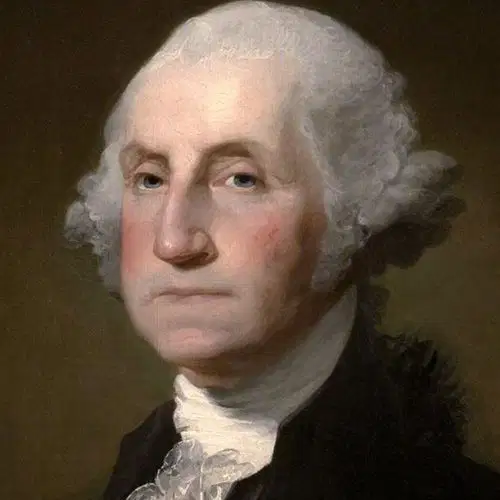
As part of his farewell address in 1796, Washington promoted the idea of;
Individualism
Alliances
Unity
Political Parties

Washington's opinion on political parties was that;
They were important to gov't operation
They were not needed
Only 2 parties should exist
A person should not be able to change political parties

True or False: President Washington indicated the only beneficial alliances were those involving economic partnerships.
True
False

True or False: Washington wanted to serve as President much longer, but was forced out of office.
False
True

In speaking of the importance of unity, President Washington highlighted which?
The relationship between the U.S. and Britain
The relationship between the U.S. and France
The relationship between regions in the U.S.
Which of the following best describes Washington's Farewell Address?
An open letter of advice and warning to the American people.
A statement indicating that Washington would seek a third term if the people demanded it of him.
A declaration of independence from Great Britain.
A resignation letter indicating that Washington quit his position as General of the Continental Army.
What was one of Washington's key points in his farewell address:
avoid sectionalism
accumulate debt
create many treaties with many allies
create many factions within the country
Above all, Washington believed that our Union
should be abolished
should be amended
should be preserved
should be a loose confederation of states
What is best defined as putting the interests of a region or state above the interests of the country as a whole?
nationalism
pacifism
patriotism
sectionalism
Sectionalism--that is, putting your state's or region's interests above the nation's--would eventually lead to
the American Civil War
women's right to vote
Westward Expansion
Washington's death
Which of the following choices best represents what Washington meant by "faction?"
the American people
A foreign enemy
Political parties
Soldiers
According to Washington, what is the greatest threat to the unity of the United States?
Apathy
The influence of foreign powers
Slavery
The Federalists
Washington's warning about the influence of foreign powers and permanent foreign alliances would eventually prove true when
America went to war over slavery
the alliance system led to World War I
Alexander Hamilton would convince the House of Representatives to vote for Thomas Jefferson
the Electoral College was implemented to choose the President
What did Washington mean when he wrote, "The name of American, which belongs to you in your national capacity, must always exalt the just pride of patriotism more than any appellation derived from local discriminations."
You should always feel more pride because you are an American than because of the local area where you live.
If you want real liberty, you have to obey and respect the Constitution.
The union needs a federal government in order to survive and work well. Just an agreement among the states cannot substitute for a federal government.
Avoid the accumulation of debt or our standing among the world's superpowers suffers.
What are the (3) Key points George Washington touch on in his “Farewell Address”?
Political parties, strong government, and Foreign Rivalries
Political parties, Permanent Alliances, and European Affairs
European affairs, Isolationism, and Debt
None of the Above
A movement to revive a person’s commitment and dedication to God, through individual religious experience.
Proclamation of 1763
Common Sense
The Great Awakening
New Hampshire
Rhode Island
Massachusetts
South Carolina
Virginia
Maryland
Georgia
Deleware
New York
New Jersey
Indiana
Ohio
Wisconsin

