wayground logo

Free Printable Worksheets

Font size

S
M
L
XL
Worksheets

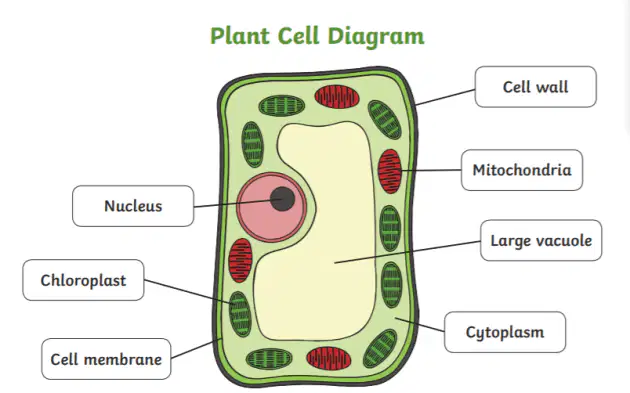
Cell Structures, Cell Transport

Total questions: 34

Worksheet time: 23mins
Name
Class
Date
1.

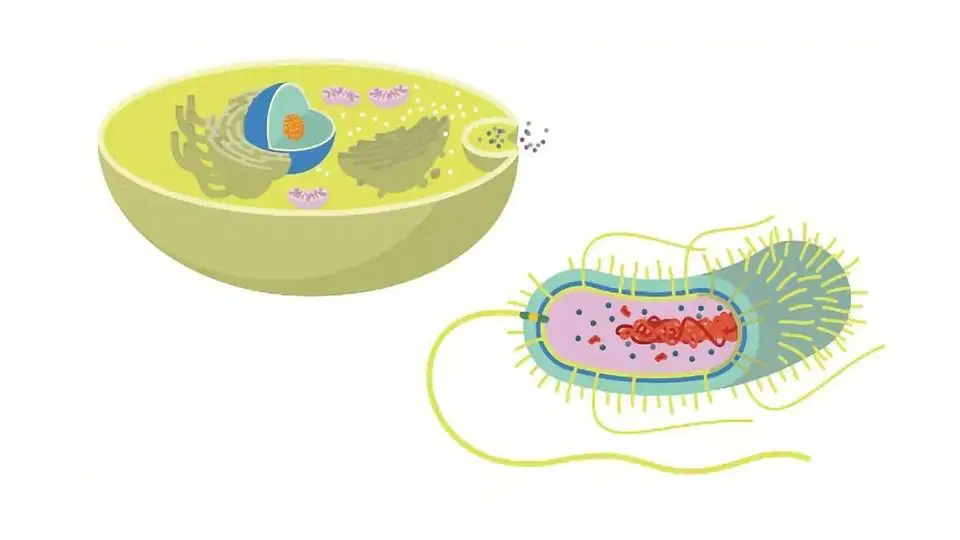
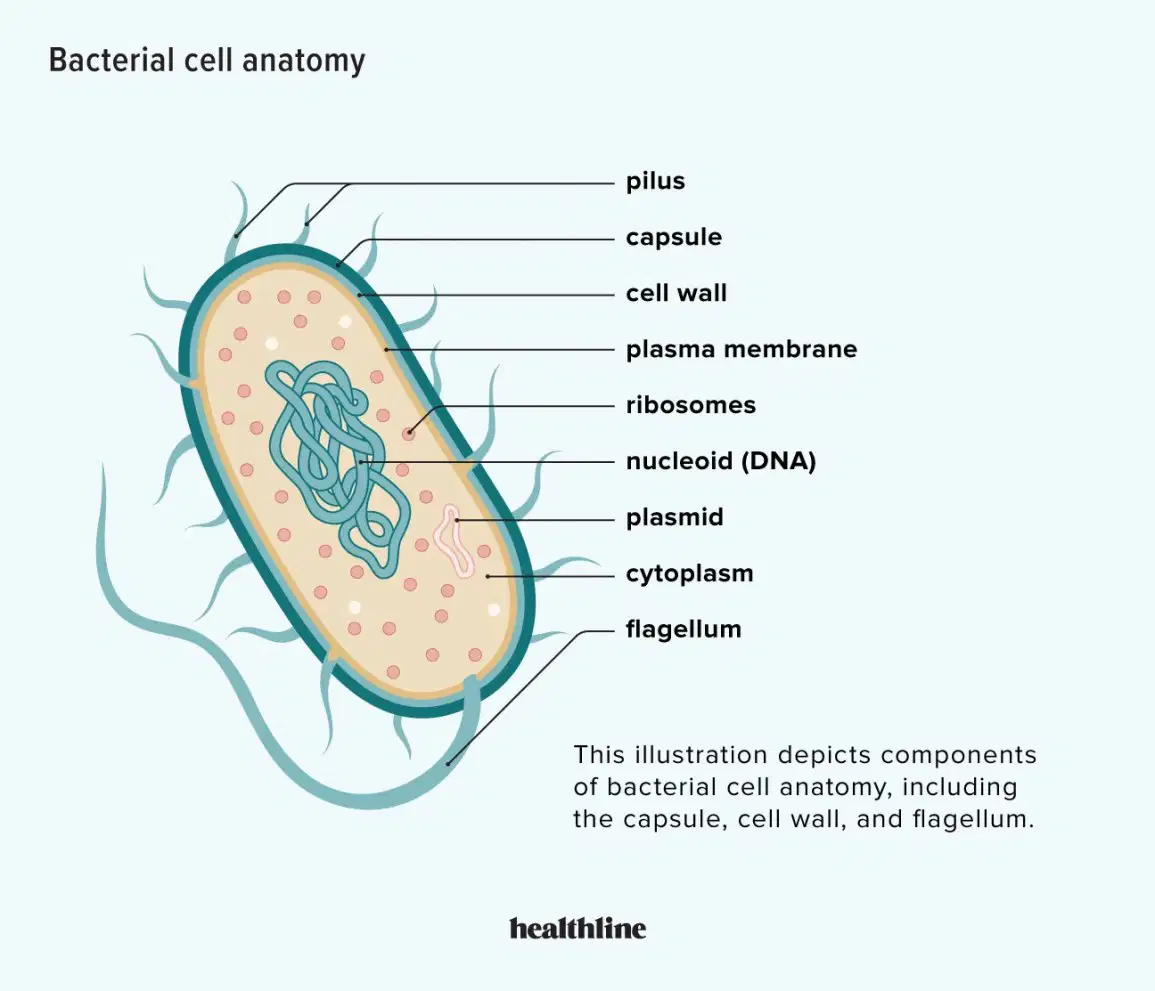
This is a bacterial cell. Which cell part would be found in bacteria and plants but not in animals?

Select the correct answer.

a)

Plasma Membrane

b)

Cell Wall

c)

Ribosomes

d)

DNA

2.

Which of the following are differences between eukaryotic cells and prokaryotic cells? Select all that apply

a)

Eukaryotic cells are larger.

b)

Eukaryotic cells have nuclei.

c)

Eukaryotic cells have DNA

d)

Eukaryotic cells have membrane bound Organelles

3.

What are two similarities between eukaryotic cells and prokaryotic cells?

a)

ribosomes.

b)

cell membranes.

c)

Nucleus

d)

mitochondria

4.

This organism is unicellular (one-celled) and does not have a nucleus or other organelles. 

a)

Eukaryote

b)

Animal Cell

c)

Plant Cell

d)

Bacteria

5.

Which of the structures listed below do all cells have in common? 

a)

Nucleus

b)

DNA

c)

Cell Membrane

d)

Golgi

6.

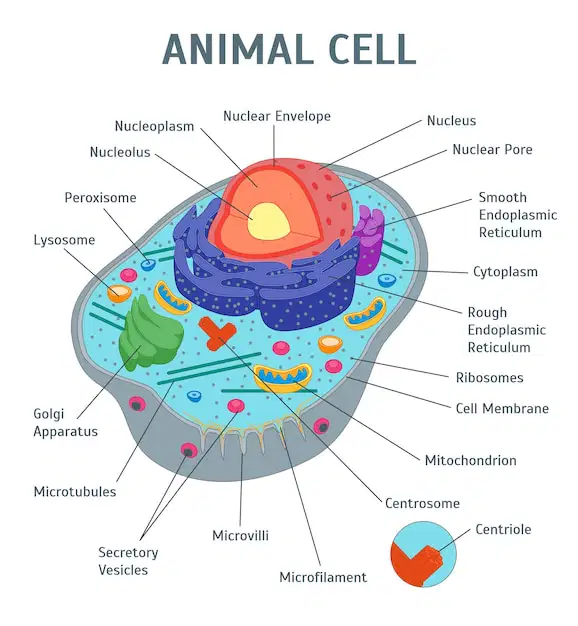
Which part of the cell represents the organelle where amino acids are synthesized into proteins?

a)

Ribosomes

b)

Centrioles

c)

Golgi

d)

Lysosomes

7.

Select the area of the cell structure that encloses the DNA.

a)

Nucleus

b)

Mitochondria

c)

Golgi

d)

Ribosomes

8.

Which one of the cells shown is eukaryotic?

a)

The cell that contains the ribosomes

b)

The cell that contains the nucleus

c)

The cell that does not contain the nucleus

d)

The cell that contains cytoplasm

9.

Extremophiles such as thermophiles are found in which kingdom?

a)

Eubacteria

b)

Protista

c)

Archaebacteria

d)

Plantae

10.

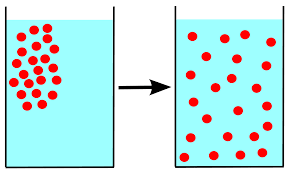
Diffusion is the movement of particles from an area of ______ to ______ concentration

a)

high to low

b)

low to high

c)

same to same

d)

empty to full

11.

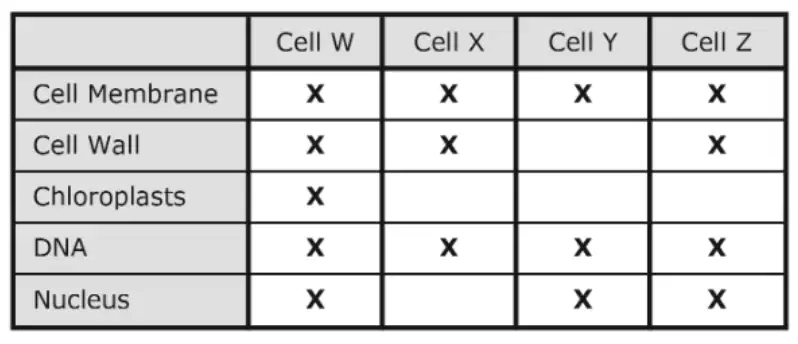
Which cell tin the chart is most likely a prokaryote?

a)

cell W

b)

cell X

c)

cell Y

d)

cell Z

12.

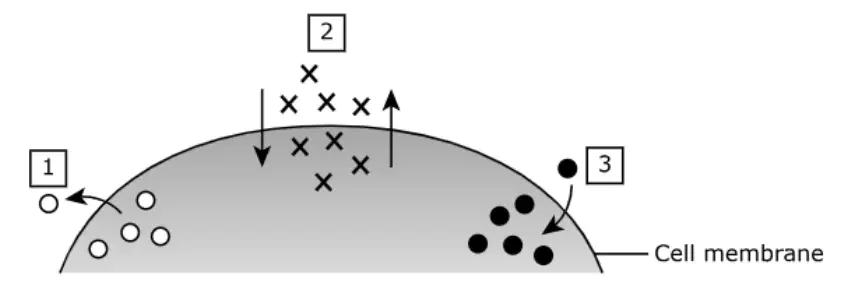
The diagram represents the movement of three different substances across a cell membrane.

Moving which of these substances across the cell membrane requires energy from ATP?

a)

1

b)

2

c)

3

13.

Which statement describes the process of osmosis in an animal cell?

a)

Sugar molecules move across the plasma membrane

b)

Water molecules move across the plasma membrane

c)

Ions move across the plasma membrane

d)

Enzymes move across the plasma membrane

14.

The organelle where amino acids are synthesized into proteins?

a)

Golgi

b)

Cell Membrane

c)

Nucleus

d)

Ribosomes

15.

What organelles are not found in both plant and animal cells

a)

Cell wall

b)

Cell membrane

c)

DNA

d)

Large Central Vacuole

16.

Which cellular structure in the cell provides external support as well as protection for the cell?

a)

Nucleus

b)

Cell Wall

c)

Chloroplast

d)

Mitochondria

17.

Unlike a eukaryotic cells, a prokaryotic cell lacks-

a)

DNA and cytoplasm

b)

ribosomes and energy propelled flagella

c)

a nucleus and membrane bound organelles

d)

a cell wall and cell membrane

18.
The movement of molecules from an area of higher concentration to an area of lower concentration is called
a)
diffusion
b)
exocytosis
c)
equlibrium
d)
active transport
19.
Which is true about active transport?
a)
It requires energy
b)
it does not require energy
c)
It moves substances down the concentration gradient
d)
it moves material from high to low concentration
20.
This picture represents which type of cellular transport?
a)
passive transport
b)
endocytosis
c)
exocytosis
d)
osmosis
21.
The most important part of the cell in cell transport is the ____________.
a)
E.R.
b)
cytoplasm
c)
nucleus 
d)
cell membrane
22.
What are two types of passive transport?
a)
endocytosis and exocytosis 
b)
cookies and milk
c)
equilibrium and osmosis
d)
Osmosis and diffusion
23.

The picture below is an example of _________________.

a)

osmosis

b)

isotonic

c)

diffusion

d)

active transport

24.
In which case would a cell most likely shrink?
a)
when placed in a solution containing a high salt concentration
b)
when placed in a isotonic solution
c)
when placed in a solution containing a low pH
d)
when placed in a solution containing distilled water
25.
 An animal cell placed in a hypertonic (salty) solution will
a)
Stay the same
b)
Shrink- get smaller
c)
Swell- get bigger
26.
What is the difference between active and passive transport?
a)
Active does not need energy and passive uses ATP (energy)
b)
Active uses ATP (energy) and passive does not need energy
c)
Active stores transport proteins and passive releases 
d)
Active uses hormones and passive does not 
27.
The cell below is in a _________ solution.
a)
Hypotonic
b)
Hypertonic
c)
Isotonic
28.
You put a cell into a solution, the cell grows. Is the solution hypotonic or hypertonic to the cell? 
a)
hypertonic
b)
hypotonic
c)
isotonic
d)
not enough information
29.
The cell below is in a _____________ solution.
a)
Hypertonic
b)
Hypotonic
c)
Isotonic
30.
This egg has shrunk, what type of solution was it placed in?
a)
hypotonic solution
b)
hypertonic solution
c)
isotonic solution
d)
active transport
31.
An ISOTONIC solution has a(n) ______________ concentration of solute (dissolved stuff) than inside the cell.
a)
lower
b)
equal
c)
higher
32.
What type of solution is this cell in?
a)
Isotonic
b)
Hypertonic
c)
Hypotonic
d)
diffused
33.
What type of solution is this cell in?
a)
Isotonic
b)
Hypertonic
c)
Hypotonic
d)
diffused
34.
What type of solution is this cell in?
a)
Isotonic
b)
Hypertonic
c)
Hypotonic
d)
diffused