
NEW
Font size
 Worksheets
Tissues Review Quiz 2024
Total questions: 65
Worksheet time: 40mins
The particular structure of a neuron relates to its function in the body by:
Allowing rapid transmission of electrical signals
Providing structural support to tissues
Facilitating nutrient absorption
Regulating body temperature
Forms mucous, serous, and epidermal membranes
A. Connective
B. Epithelium
C. Muscle
D. Nervous
Allows for organ movements within the body
A. Connective
B. Epithelium
C. Muscle
D. Nervous
Transmits electrochemical impulses
A. Connective
B. Epithelium
C. Muscle
D. Nervous
Supports body organs
A. Connective
B. Epithelium
C. Muscle
D. Nervous
Cells of this tissue may absorb and/or secrete substances
A. Connective
B. Epithelium
C. Muscle
D. Nervous
Basis of the major controlling system of the body
A. Connective
B. Epithelium
C. Muscle
D. Nervous
The cells of this tissue shorten to exert force
A. Connective
B. Epithelium
C. Muscle
D. Nervous
Forms hormones
A. Connective
B. Epithelium
C. Muscle
D. Nervous
Packages and protects body organs
A. Connective
B. Epithelium
C. Muscle
D. Nervous
Characterized by having large amounts of nonliving matrix
A. Connective
B. Epithelium
C. Muscle
D. Nervous
Allows you to smile, grasp, swim, ski, and shoot an arrow
A. Connective
B. Epithelium
C. Muscle
D. Nervous
Most widely distributed tissue type in the body
A. Connective
B. Epithelium
C. Muscle
D. Nervous
Forms the brain and spinal cord
A. Connective
B. Epithelium
C. Muscle
D. Nervous
Lines the esophagus and forms the skin epidermis
A. Pseudostratified columnar (ciliated)
B. Simple columnar
E. Stratified squamous
F. Transitional
Forms the lining of the stomach and small intestine
A. Pseudostratified columnar (ciliated)
B. Simple columnar
C. Simple cuboidal
D. Simple squamous
Best suited for areas subjected to friction
A. Pseudostratified columnar (ciliated)
B. Simple columnar
E. Stratified squamous
F. Transitional
Lines much of the respiratory tract
A. Pseudostratified columnar (ciliated)
B. Simple columnar
C. Simple cuboidal
D. Simple squamous
Propels substances (e.g., mucus) across its surface
A. Pseudostratified columnar (ciliated)
B. Simple columnar
C. Simple cuboidal
D. Simple squamous
Found in the bladder lining; peculiar cells that slide over one another
A. Pseudostratified columnar (ciliated)
B. Simple columnar
E. Stratified squamous
F. Transitional
Forms thin serous membranes; a single layer of flattened cells
A. Pseudostratified columnar (ciliated)
B. Simple columnar
C. Simple cuboidal
D. Simple squamous
Acts as a storage depot for fat
Adipose connective tissue
Areolar connective tissue
Reticular connective tissue
Osseous tissue
Dense fibrous connective tissue
Composes the dermis of the skin
Osseous tissue
Areolar connective tissue
Adipose connective tissue
Reticular connective tissue
Dense fibrous connective tissue
Forms the bony skeleton
Osseous tissue
Reticular connective tissue
Dense fibrous connective tissue
Areolar connective tissue
Adipose connective tissue
Composes the basement membrane and packages organs; includes a gel-like matrix with all categories of fibers and many cell types
Osseous tissue
Dense fibrous connective tissue
Reticular connective tissue
Adipose connective tissue
Areolar connective tissue
Forms the embryonic skeleton and the surfaces of bones at the joints; reinforces the trachea
Dense fibrous connective tissue
Areolar connective tissue
Adipose connective tissue
Osseous tissue
Hyaline cartilage
Provides insulation for the body
Reticular connective tissue
Osseous tissue
Dense fibrous connective tissue
Areolar connective tissue
Adipose connective tissue
Structurally amorphous matrix, heavily invaded with fibers; appears glassy and smooth
Hyaline cartilage
Osseous tissue
Adipose connective tissue
Areolar connective tissue
Dense fibrous connective tissue
Contains cells arranged concentrically around a nutrient canal; matrix is hard due to calcium salts
Dense fibrous connective tissue
Adipose connective tissue
Osseous tissue
Reticular connective tissue
Areolar connective tissue
What is the role of connective tissue
Covers surfaces and is a site for absorption and gas exchange
Supports and transports
Movement
Rapid communication

What type of cells are these? They are responsible for sending messages and communication!!
Neurons
Blood
Bone
Skin

As organisms get more complex, cells become specialized to perform specific functions in the body. What is the function for the cell shown?
contract and shorten movement
provide coverage and protection
carry impulses around the body
connects parts together
Axons are part of a neuron that send electrical signals ________ the cell body
to
away from
in between
Dendrites are part of a neuron that carries electrical signals _______ the cell body.
to
away
in between
Choose the correct series from LARGEST to smallest.
chromosome, nucleus, cell, nucleotide, DNA
nucleotide, chromosome, nucleus, cell, DNA
cell, nucleus, chromosome, DNA, nucleotide
nucleus, DNA, chromosome, cell, nucleotide
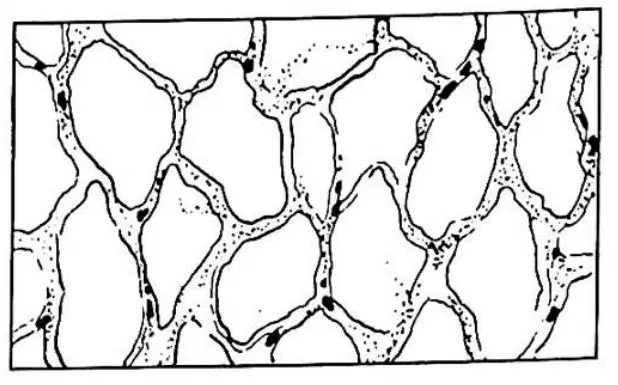
Cardiac Muscle tissue
Simple Squamous Epithelial tissue
Adipose connective tissue
Nervous Tissue
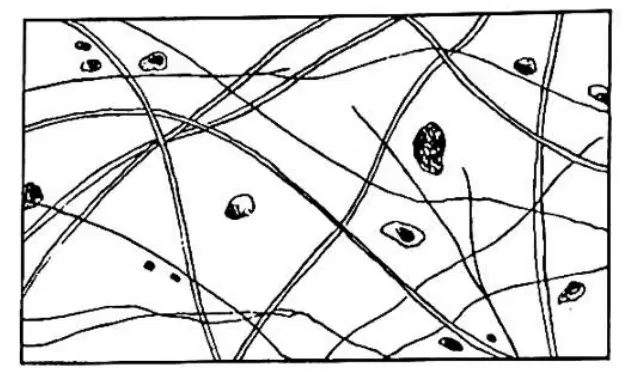
What type of tissue is this?
Areolar Connective tissue
Skeletal Muscle tissue
Stratified Cuboidal Epithelial Tissue
Simple Squamous Epithelial Tissue
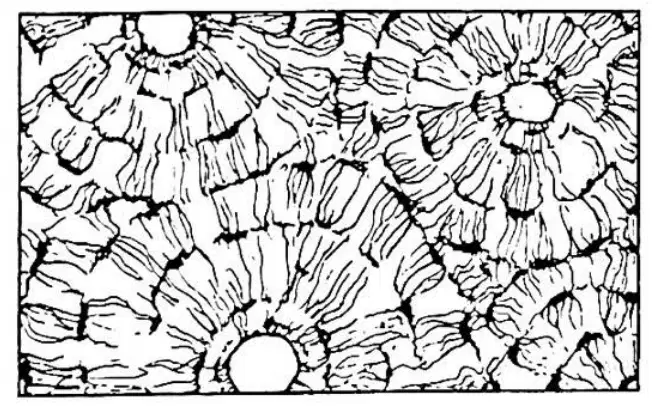
What type of tissue is this?
Neurons
Smooth muscle tissue
Simple columnar epithelial tissue
Osseous Tissue
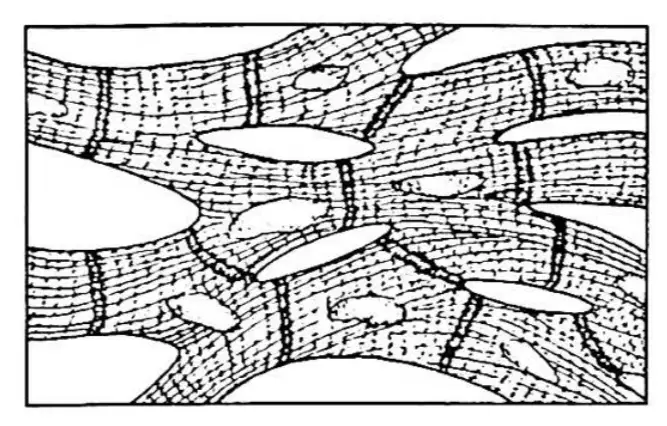
What type of tissue is this?
Stratified squamous epithelial tissue
Cardiac muscle tissue
Blood connective tissue
Simple cuboidal epithelial tissue
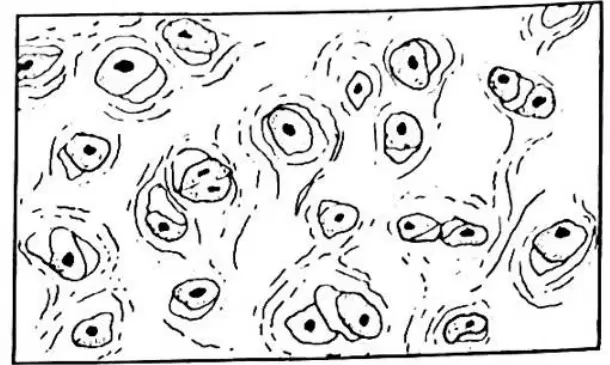
What type of tissue is this?
Simple cuboidal tissue
Nervous tissue
Osseous connective tissue
Hyaline cartilage connective tissue
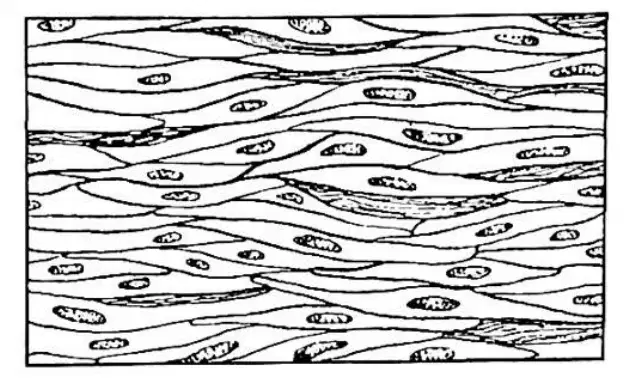
What tissue type is this?
Stratified columnar epithelial tissue
Skeletal muscle tissue
Smooth muscle tissue
Cardiac muscle tissue
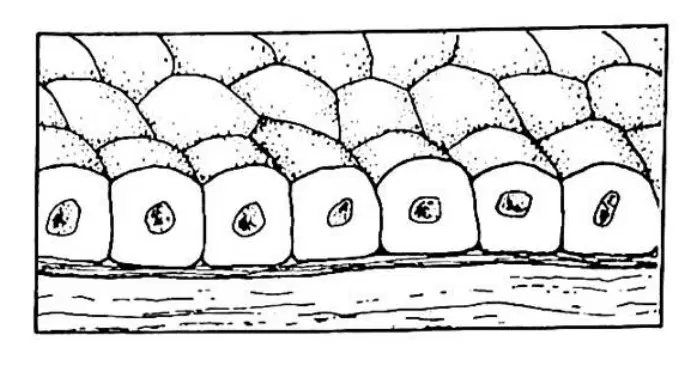
What tissue type is this?
Simple squamous epithelial tissue
Simple cuboidal epithelial tissue
Stratified squamous epithelial tissue
Stratified columnar epithelial tissue

What tissue type is this?
Simple columnar epithelial tissue
Simple cuboidal epithelial tissue
Stratified squamous epithelial tissue
Simple squamous epithelial tissue
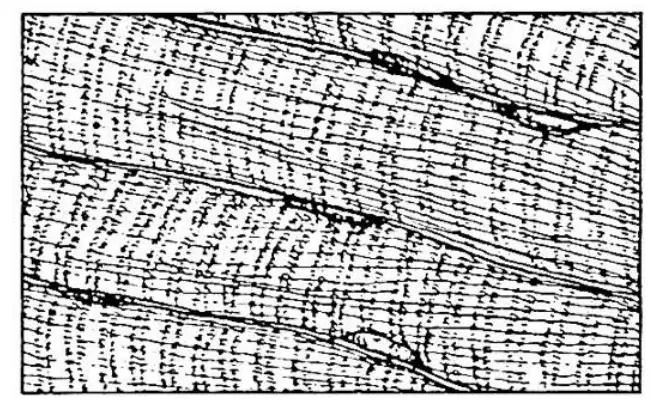
What tissue type is this?
Smooth Muscle tissue
Cardiac muscle tissue
Skeletal muscle tissue
Simple squamous epithelial tissue
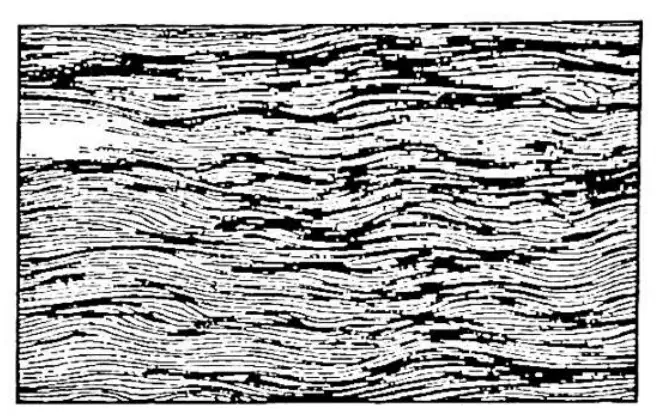
What tissue type is this?
Dense connective tissue
Blood connective tissue
Osseous connective tissue
Hyaline cartilage connective tissue

What tissue type is this?
Hyaline cartilage connective tissue
Osseous connective tissue
Dense connective tissue
Reticular connective tissue
Which answer choice is not passive transport?
Osmosis
Protein pump
Facilitated diffusion
Simple diffusion
Which answer choice is active transport?
Simple diffusion
Facilitated diffusion
Osmosis
Endocytosis
Where in the cell cycle does DNA replication happen?
G1
G0
S- phase
M-phase
Where in the cell cycle does the one cell become 2 identical cells?
M-phase
S-phase
G1
G2
In what order does Mitosis happen?
Prophase Anaphase Metaphase Telophase
Metaphase Prophase Anaphase Telophase
Prophase Metaphase Anaphase Telophase
Prophase Telophase Anaphase Metaphase
Which DNA strand is complementary to :
ATGGCAGT
TAGGCATC
TACCGTCA
TAGCATCG
TAGGATCG

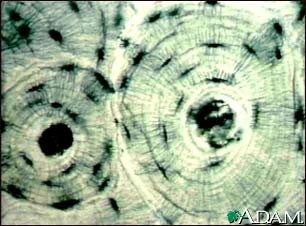
smooth muscle
bone
nerve
blood

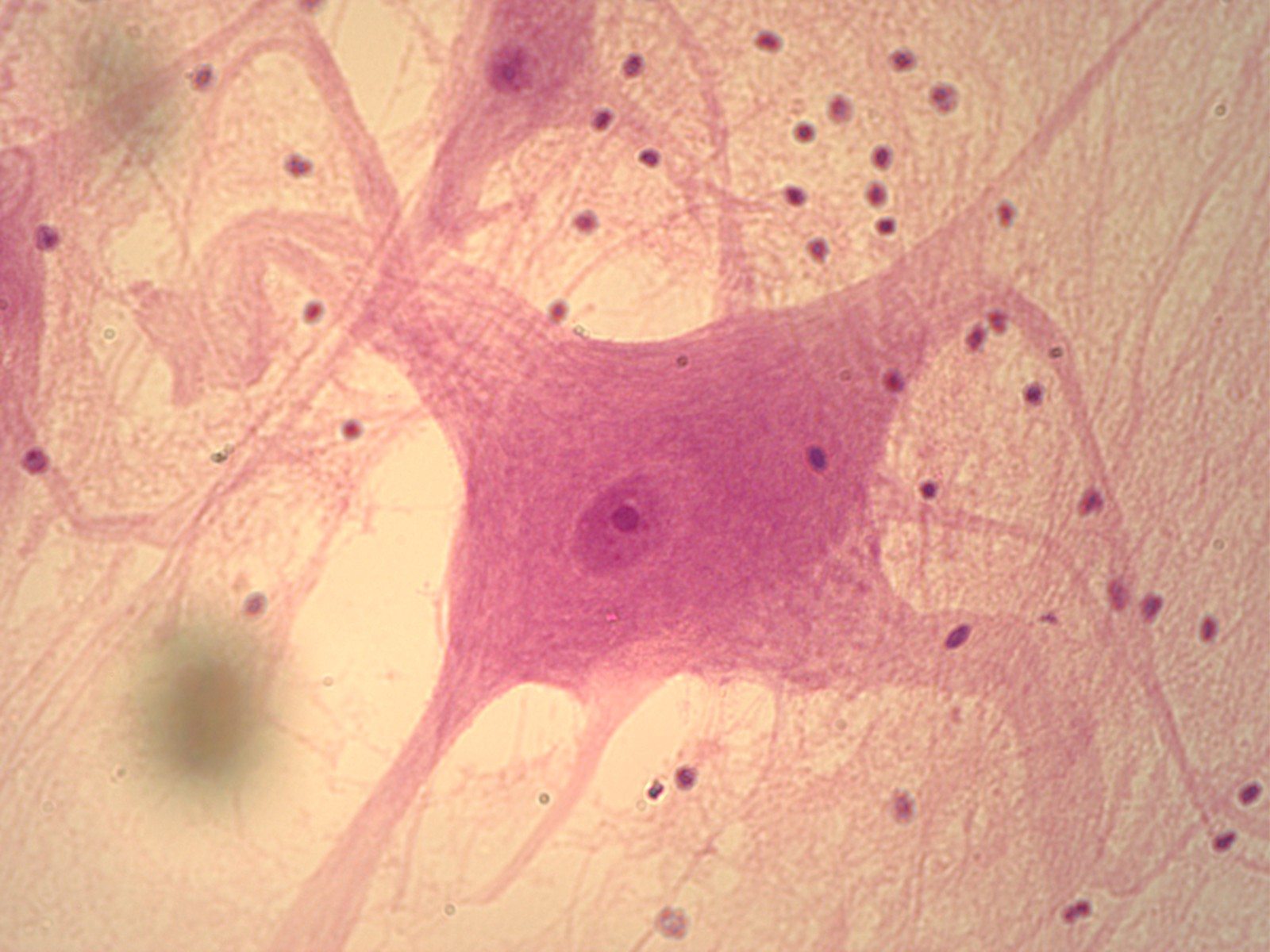
In protein synthesis, when mRNA leaves the nucleus and goes into the cytoplasm, what does it meet up with to do translation?
Vacuole
Lysosome
Mitochondrion
Ribosome
When cells join together for a specific function they form tissues.
True
False
Which of the following is a function of muscular tissue?
Generating electrical impulses
Producing movement
Filtering blood
Absorbing nutrients
Blood, bone, and fat are all examples of _____ tissue.
transport
support
connective
epithelial
What is the primary function of the nervous system?
Transportation of oxygen
Regulation of body temperature
Coordination of body activities
Digestion of food

