
 Worksheets
KB SS Review
Total questions: 129
Worksheet time: 2hrs 9mins
Civilian Conservation Corps (CCC)
Provided jobs for young men to plant trees, build bridges and parks, and set up flood control projects
built dams to provide cheap electrical power to seven southern states; set up schools and health centers
gave relief to unemployed and needy people. One of FDR's earliest programs
closed banks until the government could be sure they had enough money to cover deposits. Associated with the banking holiday.
Tennessee Valley Authority (TVA)
Provided jobs for young men to plant trees, build bridges and parks, and set up flood control projects
built dams to provide cheap electrical power to seven southern states; set up schools and health centers
gave relief to unemployed and needy people. One of FDR's earliest programs
closed banks until the government could be sure they had enough money to cover deposits. Associated with the banking holiday.
Federal Emergency Relief Act (FERA)
Provided jobs for young men to plant trees, build bridges and parks, and set up flood control projects
built dams to provide cheap electrical power to seven southern states; set up schools and health centers
gave relief to unemployed and needy people. One of FDR's earliest programs
closed banks until the government could be sure they had enough money to cover deposits. Associated with the banking holiday.
Emergency Banking Relief Act (EBRA)
Provided jobs for young men to plant trees, build bridges and parks, and set up flood control projects
built dams to provide cheap electrical power to seven southern states; set up schools and health centers
gave relief to unemployed and needy people. One of FDR's earliest programs
closed banks until the government could be sure they had enough money to cover deposits. Associated with the banking holiday.
Agricultural Adjustment Administration (AAA)
Paid farmers not to grow certain crops
made each industry set up codes for production, wages, prices, and working conditions
Enforced the codes established by the NIRA, known by its symbol, the Blue Eagle
Built ports, schools, and aircraft carriers
National Industrial Recovery Act (NIRA)
Paid farmers not to grow certain crops
made each industry set up codes for production, wages, prices, and working conditions
Enforced the codes established by the NIRA, known by its symbol, the Blue Eagle
Built ports, schools, and aircraft carriers
National Recovery Administration (NRA)
Paid farmers not to grow certain crops
made each industry set up codes for production, wages, prices, and working conditions
Enforced the codes established by the NIRA, known by its symbol, the Blue Eagle
Built ports, schools, and aircraft carriers
Public Works Administration (PWA)
Paid farmers not to grow certain crops
made each industry set up codes for production, wages, prices, and working conditions
Enforced the codes established by the NIRA, known by its symbol, the Blue Eagle
Built ports, schools, and aircraft carriers
Federal Deposit Insurance Corporation (FDIC)
Insured savings accounts in banks approved by the government
Loaned money to extend electrical power in rural areas
Employed men and women to build hospitals, schools, parks, and airports, employed artists, writers, and musicians
Set up a system of pensions for the elderly, the unemployed, dependent children, and people with disabilities
Hoover's program that attempted to loan money to railroads, banks, and insurance companies
Rural Electrification Administration (REA)
Insured savings accounts in banks approved by the government
Loaned money to extend electrical power in rural areas
Employed men and women to build hospitals, schools, parks, and airports, employed artists, writers, and musicians
Set up a system of pensions for the elderly, the unemployed, dependent children, and people with disabilities
Hoover's program that attempted to loan money to railroads, banks, and insurance companies
Works Progress Administration (WPA)
Insured savings accounts in banks approved by the government
Loaned money to extend electrical power in rural areas
Employed men and women to build hospitals, schools, parks, and airports, employed artists, writers, and musicians
Set up a system of pensions for the elderly, the unemployed, dependent children, and people with disabilities
Hoover's program that attempted to loan money to railroads, banks, and insurance companies
Social Security Act (SSA)
Insured savings accounts in banks approved by the government
Loaned money to extend electrical power in rural areas
Employed men and women to build hospitals, schools, parks, and airports, employed artists, writers, and musicians
Set up a system of pensions for the elderly, the unemployed, dependent children, and people with disabilities
Hoover's program that attempted to loan money to railroads, banks, and insurance companies
Reconstruction Finance Corporation (RFC)
Insured savings accounts in banks approved by the government
Loaned money to extend electrical power in rural areas
Employed men and women to build hospitals, schools, parks, and airports, employed artists, writers, and musicians
Set up a system of pensions for the elderly, the unemployed, dependent children, and people with disabilities
Hoover's program that attempted to loan money to railroads, banks, and insurance companies
In 1973, the Arab members of the Organization of the Petroleum Exporting Countries (OPEC) decided to stop selling oil to the United States and cut oil production. These countries objected to U.S. support for Israel in the 1973 Arab-Israeli war. The result of the oil (a) in the United States was an increase in oil prices and oil shortages. U.S. policy makersresponded by working to reduce on foreign oil and increase (b)
Which economic effect ocurred as a result of each technological inovation?
Electric power:
Lengthened the workday through the use of lightbulbs
Steel production:
Facilitated the expansion of the Transcontinental Railroad
Petroleum-based products:
Improved transportation through the use of the internal combustion engine
Satellite communications:
Improve the transfer of information across long distances

This table describes programs created by President Franklin D. Roosevelt's New Deal in 1933. Which New Deal programs demonstrate the federal government's efforts to provide jobs for the unemployed? Select TWO correct answers.
Civilian Conservation Corps (CCC)
Agricultural Adjustment Act (AAA)
Federal Deposit Insurance Corporation (FDIC)
Home Owners' Loan Corporation (HOLC)
Tennessee Valley Autority (TVA)
Which factors contributed to the levee failures in New Orleans during Huricane Katrina in 2005? Select THREE correct answers.
The city has a large population
Bridges were constructed over the city's waterways
The city was built at or below sea level
The city's flood-control infrastructure lacked maintenance
Water surrounds the city on three sides

This newspaper headline descrives an event that occurred after US troops enter Cambodia.
Which statement identify the MOST direct causes of the event descrived in the newspaper? Select TWO correct answers.
The ongoing fears over the expanding power of the soviet Union
The buildup of US forces in Korean demilitarized zone
The widespread youth protests against the Vietnam War
The growing counterculture movement
The expanding Black Panter Party

This political cartoon was published in 1991 at the end of the Cold War.
Which actions MOST directly contributed to the results represented in the cartoon?
Select TWO correct answers.
The US government established a "Peace Through Strength" policy, leading to economic pressure on communist countries
The US developed "the domno theory," leading to criticism in Southeast Asia
The US government focused on detente in order to avoid conflicts with communist countries
The US government airlifted military supplies to anti-communist rebels in Easter Europe
The US government supported anti-communist group around the world

Explain the Watergate Scandal as simply as possible. Make sure to mention which US President this scandal happened under.

What were the Camp David Accords?
An agreement, that Jimmy Carter was able to strike between Israel and Egypt
An agreement that ended 30 years of conflict between Egypt and Israel
Jimmy Carter's greatest foreign policy achievement.
The event that earned Jimmy Carter a Nobel Peace Prize

Which of the following is true of the US in the 1960s and 1970s?
Companies and people were leaving the Rust Belt, and moving to the Sun Belt for more economic opportunities.
Companies and people were leaving the Sun Belt, and moving to the Rust Belt for more economic opportunities.

Which of these best describes the Iran - Contra scandal
Ronald Reagan's administration negotiated with terrorists
Ronald Reagan's administration was trying to support "freedom" fighters in Nicaragua
Used money from weapon sales to Iran to support rebel groups in Nicaragua - 80s
Ronald Reagan's crowning achievement in office
Authorize the NSA to wiretap suspected callers without a warrant -
USA Patriot Act
Uniting and strengthening America by Providing Appropriate Tools Required to Intercept and Obstruct Terrorism
NSA Act
No Warrant Act

carefully mediated negotiations supported by the unspoken threat of a powerful military
Big Sitck Policy
Big Stick Diplomacy
Mediation Policy
Roosevelt domestic policy

What concept does this image refer to?
political machines
nativisim
labor unions
graft

The Serviceman's Readjustment Act of 1944 (G.I. Bill) applied to who?
US soldiers and veterans
Only minorities in the military
Women in the WAC

(ECON.15B) The main message of this cartoon is that the Standard Oil Company-
used its size to lower prices.
protected Americans from foreign competitors.
used its economic power to sway government decisions.
employed violence to gain unfair advantages for its workers.
People take elements of their ________ with them when they move from one region to another?
Democracy
Culture
Which type of government has a leader who must obey the laws?
Limited Government
Unlimited Government
As culture is diffused, what is spread from one region to another?
Ethnocentrism
Religion
Language
Culture Traits
What do we call people who take risks to start their own businesses?
Dictators
Entrepreneurs
Monarchs
Socialists
North Korea is an example of which type of government?
Monarchy
Totalitarian
Democracy
Theocracy
There's only a few iPhone Xs in stock, but high demand, so the price has increased. This is...
Socialism
Government Regulation
Communsim
Supply and Demand

What parts of TX are the least populated?
East Texas
South Texas
Central Texas
West Texas
Globalization helps...
trade
the spread of culture traits
connect world businesses
All of these
The set of beliefs, customs, and traditions that a group of people has in common is...
Ethnocentrism
Laws
Culture
Scarcity
When people move from one country or region to live in another...
Fleeing
Migration
Vacation
Running Away
When there are LIMITED quantities of a product to meet people's UNLIMITED wants...
Economics
Factors of Production
Scarcity
Supply and Demand
The measure of the number of people living in an area
Population Density
Population
Type of Economy? Individuals own and operate businesses and govt. is “hands off” of business
Socialism
Free Market/Capitalism
Command/Communism
Mixed
Type of Economy? Government owns all businesses and 100% of taxes and welfare
Capitalism
Socialism
Communism
Traditional
In a Limited Government...
Government and citizens must follow the same set of rules
one leader makes ALL decisions
Citizens are not able to vote for their leaders
100% of your paycheck is taxed by the government

Which cultural regions is shaded yellow?
US and Canada
Middle East
Oceania
Latin America

Which culture region includes South America?
US and Canada
Middle East
Oceania
Latin America

Which culture region includes India?
US and Canada
Middle East
South Asia
Latin America
Which of the following are culture traits?
The types of jobs people have
The way people eat
The religion or belief system people follow
The music people listen to
Our world is so diverse! This means that culture traits tend to be ___ all over the world.
the same
different
Limited or Unlimited? The government ignores the human rights of citizens.
Limited Government
Unlimited Government
Limited or Unlimited? The government works to improve the lives of citizens.
Limited Government
Unlimited Government

What is social inequality?
The division of society into categories, ranks, or classes
The grouping of people with similar levels of wealth, power, and prestige
The classification of people based on certain social characteristics
The unequal sharing of resources, social power, or freedoms
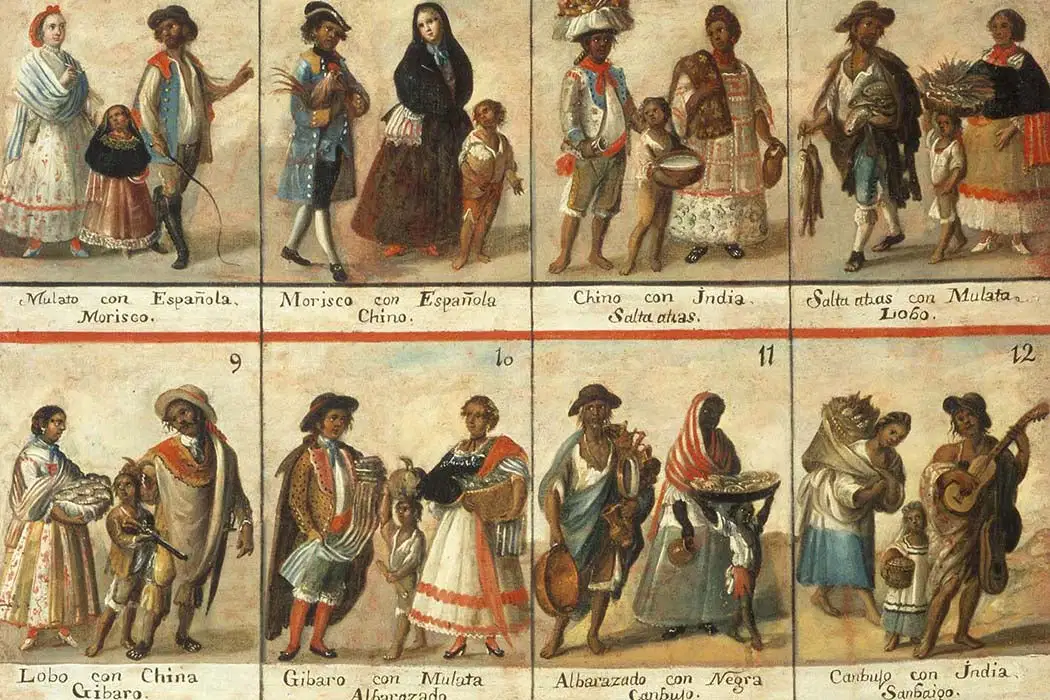
Which social characteristic was used for classification in colonial Spain & Portugal?
Religion
Age
Social group
Ethnicity

In medieval Islamic countries, non-Muslims had to pay a special tax and were often segregated based on their:
Age
Ethnicity
Social group
Religion

In the Lokop community of Kenya, who rules?
Elders
Non-members
Youth
Women
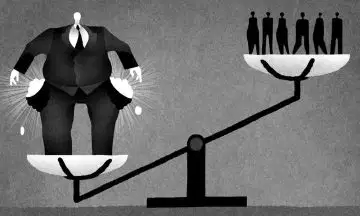
Which type of system tends to increase inequality?
Open systems
Closed systems
Structural social mobility
Social stratification
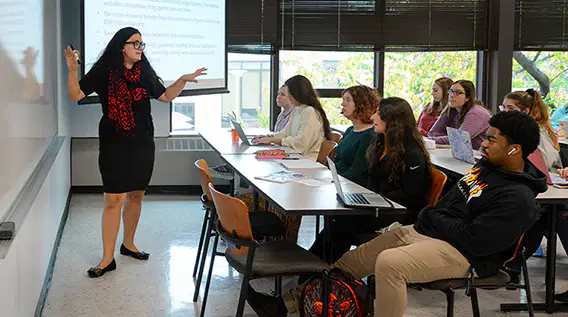
What does social class represent?
The unequal sharing of resources, social power, or freedoms
The division of society into categories, ranks, or classes
The grouping of people with similar levels of wealth, power, and prestige
The classification of people based on individual characteristics

Which dimension of social stratification refers to a person's resources and income?
Power
Wealth
Social class
Prestige

Which dimension of social stratification refers to a person's ability to control the behavior of others?
Prestige
Social class
Power
Wealth

Which dimension of social stratification refers to a person's level of respect and admiration from others?
Wealth
Social class
Power
Prestige
Sort these: are they considered part of Socioeconomic Status or are they considered something else?
education
income
race
age
disability
gender
1) How many bodies is the judicial branch made up of?
3
5
2
4
2) True or false:
The judicial branch is made up of 3 bodies: the Supreme Court of Justice (CSJ), the Tax Court and the Contentious Administrative Court (TCA)?
True
False
3) The Congress appoints the judges of the three judicial bodies to serve…
a. Three-year terms
b. Five-year terms
c. Four-year terms
d. Six-year terms
4) Who in the apex of the judicial system?
a. The CSJ
b. The Tax Court
c. The TCA
5) What is the CSJ composed of?
a. 3 chambers with 3 judges in each and the president of the court.
b. 5 chambers with 3 judges in each and the president of the court.
c. 1 chamber with 5 judges and the president of the court.
6) Which courts does the CSJ supervise?
a. The lower courts
b. The higher courts
c. The special courts
d. All of the previous options.
7) How many criminal courts did the lower courts have at the end of the 1980’s?
55
42
35
38
8) True or false:
The Constitution does not prohibit judges and prosecutorial officials to intervene in elections.
True
False
9) The TGC members selected to represent the legislative, executive and judicial branches must have _______ years of professional experience as lawyers, judges or university professors of jurisprudence.
a. 20
b. 15
c. 13
d. 16
10) True or False:
During the recess of Congress, the TGC is empowered to authorize any foreign travel by the president and to revoke the state of national emergency.
True
False

Base your answer to the question on the passage displayed and on your knowledge of social studies.
In this passage, Montesquieu references
enlightened despotism
a policy of mercantilism
a separation of powers
a social contract
Base your answer to the question on the passage displayed and on your knowledge of social studies.
One historical development that resulted from the ideas expressed here was the
End of Feudalism
French Revolution
Glorious Revolution
Cultural Revolution
Base your answer to the question on the passage displayed and on your knowledge of social studies.
Which document did this passage most heavily influence?
Edict of 1635 Ordering the Closing of Japan
Communist Manifesto
Declaration of Rights of Man and the Citizen
Magna Carta

Base your answer to the question on the illustration and on your knowledge of social studies.
This drawing illustrates conditions that contributed primarily to the beginning of the
Protestant Reformation
French Revolution
Napoleonic Wars
European Renaissance
Base your answer to the question on the illustration and on your knowledge of social studies.
What is the point of view of the author of this drawing?
One group paid heavy taxes that supported the other two groups.
Hard work, prayer, and a good example allowed for a stable government in France.
Peasants and professionals in this society were gaining political and economic power.
French society emphasized the importance of natural law and social equality.

Base your answer to the question on the passage and on your knowledge of social studies.
Which of the following individuals most strongly influenced the ideas in the excerpt of the Declaration of the Rights of Man and the Citizen above?
Louis XIV
John Locke
Thomas Hobbes
Galileo
Base your answer to the question on the passage and on your knowledge of social studies.
Which of the following states the point of view of the authors of the Declaration of the Rights of Man and the Citizen?
A government should make laws to protect the natural rights of its citizens.
Absolute monarchy is a form of government that guarantees the rights of citizens.
Property is a more valuable natural right than security.
A government should limit people's freedom to ensure they are safe.

Base your answer to the question on the map and on your knowledge of social studies.
Based on this map, identify the political impact of Napoleon’s conquests in Europe.
The French empire directly or indirectly controlled most of western Europe
The French empire lost colonies
France controlled Sicily
Napoleon’s empire grew through peaceful treaties with neighboring powers.
Base your answer to the question on the map and on your knowledge of social studies.
Which event occurred after the circumstances illustrated in this map?
The Age of Enlightenment
Fall of the Roman Empire
Congress of Vienna
National Assembly meets for the first time

Base your answer to the question on the maps and on your knowledge of social studies.
Based on a comparison of these maps of South America, which conclusion is accurate?
Many regions of South America gained their independence between 1790 and 1828.
All of South America was independent by 1828.
Spain continued to gain South American colonies in the 19th century.
Between 1790 and 1828, South American political boundaries remained unchanged except for Brazil
Base your answer to the question on the maps and on your knowledge of social studies.
Which individual is most closely associated with the changes indicated on these maps?
Emiliano Zapata
Porfirio Díaz
Simón Bolívar
Pancho Villa
One way in which the Scientific Revolution and the Enlightenment were similar is that they
rejected Renaissance individualism
led to the Protestant Reformation
strengthened traditional institutions
encouraged the spread of new ideas
Maximilien Robespierre and his supporters are best known for
instituting the Reign of Terror
protecting freedom of religion
supporting the reign of King Louis
XVI
sending French troops to fight in the American Revolution
Belief in the ideas of the Enlightenment and discontent within the Third Estate were causes of the
Spanish Reconquista
Industrial Revolution
French Revolution
Counter Reformation
One of the main purposes of the Congress of Vienna (1814–1815) was to
promote the unification of Italy
preserve the German territories gained
restore the power of the Holy Roman Empire
establish a balance of power in Europe after the defeat of Napoleon
One way in which Toussaint L’Ouverture, Simón Bolívar, José de San Martín, and Father Hidalgo are similar is that they
supported the Reconquista
led independence movements
fought for Native American suffrage
defended the encomienda system
I. __________________________________
A. Ideas from the French Revolution spread.
B. Enslaved persons burned sugar fields and rebelled against French slave owners.
C. Toussaint L’Ouverture organized rebels & led the fight.
Which title best completes this partial outline?
Causes for Bismarck’s Rise to Power
Factors of the Haitian Revolution
Results of the Munich Pact
Situations Contributing to the Zionist Movement
"The man could not marry the woman he loved because she was born in a level of social ____________________ that fell beneath his family’s rank."
democracy
hierarchy
diplomacy
level
We need to address these problems on a more _______________________________ level.
inference
existence
inclusion
Aspect
Characteristic
Facet
Idiosyncrasy
Peculiarity
are all synonyms for the noun form of which word?
hierarchy
fundamental
demarcate
attribute
democracy
"She was convinced that the school’s administration should __________________________ social studies grades from science grades."
region
historical
accessible
"Elected leaders make laws on behalf of the people in a/an ________."
hierarchy
ruling class
democracy
attribute
-vol- is a Latin root that means
to wave
to speak
to bring
to turn
Let both sides explore what problems unite us instead of belaboring those problems which divide us. What does belaboring mean?
working hard
focusing on a particular point for too long
preparing something
complementing a specific group
A beachhead is
noun that means "a starting point"
a noun that means "a person who frequents the beach"
a noun that means "a process of becoming"
is an adjective that means "a starting point"
Harmful language that is aggressive is called
invocation
invective
fortitude
rhetoric
"Divided there is little we can do-- for we dare not meet a powerful challenge at odds and split ________."
invoke
asunder
pacification
revolution
Which statement best describes a major reason that the Industrial Revolution began in Great Britain?
A strong union movement was able to secure good working conditions and high wages for factory workers.
Industries were owned by the national government.
Cities could easily accommodate the migration of people from rural to urban areas.
Sufficient coal and iron ore reserves and a good transportation system were available.
Which geographic feature most aided England during the Industrial Revolution?
natural harbors
monsoon winds
mountainous terrain
desert climate
Transportation in the 1800s was revolutionized by the development of the
caravel
steam engine
astrolabe
airplane
The invention of spinning and weaving machinery increased the number of workers in the textile industry in Europe because
the early textile machines could not produce goods as efficiently as hand labor
the unions required that more workers be hired to maintain the machines
the demand for goods increased as goods became cheaper to produce
laws prohibited women and children from working with machinery
Which social change occurred during the Industrial Revolution?
increased status for religious leaders
growth of the working class
expansion of privileges for the landed nobility
development of the extended family
. Base your answer to the following question on the speakers' statements below and on your knowledge of social studies.
Speaker A: If the rate of population growth continues to exceed the growth in the food supply, there will not be enough food for all of the people.
Speaker B: There are people who are wealthy and people who are poor. This is just how things are.
Speaker C: History is the story of class struggle. Eventually, the working class will rise up and revolt against the wealthy. Speaker D: The government should do what is best for most of its people.
To which situation are these speakers most likely reacting?
rise of industrialization
growth of Zionism
formation of military alliances
division of Africa
The breakdown of traditions, increased levels of pollution, and the expansion of slums are negative aspects of
militarism
collectivization
pogroms
urbanization
In the early 18th century, the Agricultural Revolution in Great Britain resulted in urbanization because
enslaved persons replaced free laborers on farms
displaced rural workers migrated to find jobs
the middle class decreased in size
factory work strengthened extended families
Increased agricultural production in England in the late 1700s contributed directly to
the development of a worldwide communications network
a decrease in the power of the monarch
the introduction of manorialism
an increase in life expectancy
Which geographic feature aided industrialization in Great Britain?
highland climate
large forests
good harbors
monsoon winds

Which conclusion is best supported by the information on the map?
England's natural resources led to the growth of industrial cities.
People emigrated from Great Britain because of pollution.
Great Britain's prosperity unified the people.
In 1830, England had an unfavorable balance of trade.
What was one reason the Industrial Revolution began in Great Britain?
Abundant natural resources were available in Great Britain.
The practice of serfdom in Great Britain provided an abundance of laborers.
Great Britain had alliances with most European countries.
The government of Great Britain implemented a series of five-year plans.
Which was a result of the Industrial Revolution in England during the 19th century?
Workers became more secure in their jobs and less dependent on employers.
The number of farmers increased as the demand for wool in the textile industry rose.
Democratic principles were weakened as the power of the working class increased.
The structure of society changed to include a growing middle class.

Which event caused this population shift in Great Britain?
rebellions in Ireland
the Industrial Revolution
emigration to the Americas
the bubonic plague
“It was a town of red brick, or of brick that would have been red if the smoke and ashes had allowed it; but as matters stood it was a town of unnatural red and black like the painted face of a savage. It was a town of machinery and tall chimneys, out of which interminable serpents of smoke trailed themselves for ever and ever, and never got uncoiled. It had a black canal in it, and a river that ran purple with ill smelling dye. . . .” — Charles Dickens, Hard Times
Which problem is the subject of this passage?
economic inequality
poor transportation systems
lack of child labor laws
urban pollution
Effective instructional planning requires a great deal of work by the teacher before a lesson is taught. Before planning a lesson, teachers must decide?
what we expect students to do; and what the teacher must do in order for our students to achieve what we expect of them
what we expect students to do; and information the teacher must find on the internet
what the children want to learn and how to form ability groups
what activities will keep the student actively engaged
A key goal for the beginning of a unit is for the teacher to:
group students by ability, always considering the possibility of growth
determine what students know about the topics the unit will cover
show a feature film that relates to the content of the unit
organize all the unit's lesson plans by degree of difficulty, the least difficult activities should come first, the most difficult activities in the unit should come last
An assessment plan for a unit should:
show how the teacher will determine if the unit's objectives have been met
be developed cooperatively with students
allow all children to be successful
rely on authentic tests
A comment a teacher might make to a student as part of formative assessment would include:
"You are not meeting Social Studies Standard 4.6."
"I have great news for you - you have enough points this quarter to get an A in social studies."
"It is time for recess, please take everything off your desk and fold your hands."
"I read your journal entry and I think you are having a difficult time understanding how an irrigation system works. Let me draw you a picture."
Constructing a valid rubric to assess student performance on an assignment must allow the teacher to:
rank every student in the class from 1 to 30 - these ordinal rankings are very important
distinguish performance in one category on the rubric from performance in the other categories
provide immediate feedback to all students - the rubric makes this easy to do
move quickly from one assessment to another
The faculty and the principal at Presley Elementary School agreed that assessment of students would be a high priority for the school year. In a group discussion with other faculty, a second grade teacher stated, "I really don't worry about whether or not students are achieving the objectives of each lesson I teach - it's the state social studies standards that I'm concerned about."
Why should this teacher re-think his perspective?
The teacher is correct in that student achievement of standards should be any teacher's ultimate concern, but there is little chance his students will meet the standards if he doesn't check to see what students have learned.
His state's social students standards are too numerous and too wordy
He shouldn't; he is correct
He really should have modified his position. If he said that he would assess student learning on 50% of his lessons, he would be correct.
Multicultural education consists of two interrelated dimensions, a curricular dimension and an equity dimension. A multicultural social studies curriculum does not limit itself to presenting information about a wide range of people, rather it:
Focuses on teaching children about the heroes from every cultural group
Provides the perspectives of people who frequently have been relegated to the margins in traditional social studies programs
Provides opportunities for children to pretend that they live in a foreign nation
Integrates the language arts, the visual arts, and the performing arts
A fifth grade teacher who reads aloud I'm Deborah Sampson: A Soldier of the Revolution has:
transformed the social studies curriculum because the roles women played in the American Revolution rarely are mentioned in elementary social studies
missed the point in transforming the curriculum - the point is to move beyond reading and incorporate the arts
selected a book that is far too difficult for fifth graders to understand
an obligation to notify parents that she will be reading a book about a female soldier
The difference between a mural and a diorama is:
murals are large pictures on walls, they are two-dimensional; dioramas are some sort of three-dimensional display
murals are large pictures on walls, it is important that all persons and objects be drawn to scale; dioramas are some sort of display using pipe cleaners
murals are large pictures on walls, they are two-dimensional; dioramas are some sort of three-dimensional display that is life size
murals are large pictures on walls, they are two-dimensional; dioramas are combinations of images
The most effective way to teach the definition of a word that is an object is to:
write the word on the board and discuss its meaning - then have the children write the word in a sentence
write the word on a 3x5 inch card and then show the word to the students - have the students come up with synonyms and antonyms for the word
help the children break the word into parts - focusing on prefixes, suffixes, and root words
present the object itself or an illustration of it
Reciprocal Teaching is an instructional model for helping children acquire certain strategies that good readers use to understand what they are reading. It is a good model for teaching all of the following except:
predicting what might be learned in the remaining portion of the reading selection
classifying a question in relations to the source of the question's answer
summarizing the information that has been read in the selection
clarifying unclear portions of a text, especially words and phrases
Many authorities in the field of reading comprehension recommend that teachers use text structures to help students understand information-based texts, like textbooks. Why would a teacher not what to use the structure of a text to prepare a graphic organizer or a study guide?
the selection is poorly written - without a clearly discernible structure
the students in the classroom have made it very clear that they find text structure lessons to be boring
the teacher doesn't have the time to prepare the resources necessary for this type of lesson
the lesson is designed for small groups of students, all with reading levels below the reading level of the textbook
Almost all states have adopted standards for social studies. One thing these standards have in common is they:
fail to emphasize historical content; history is treated about the same as the other social studies
make history the core of the elementary social studies curriculum
focus on the history of the relevant state - there is little coverage of US history
reflect a trend toward returning to "traditional" social studies
All of the following are primary sources expect:
a copy of one of Lincoln's handwritten drafts of the Gettysburg Address
A Roman coin
Russell Freedman's biography of Franklin Roosevelt
John Quincy Adams' handwritten journal
Though it is a great deal of work, teachers can adapt primary source documents so that their students can read them. To do this, a teacher could do each of the following except:
focus on only the most important parts of the document so that the edited document is less than 300 words
turn the content of the primary source into a cartoon for students to read a view
simplify the text of the primary source so that complex sentences become simple sentences
re-format the text so that the typeface is at least 16 point with ample margins
In regards to maps, a goal of geographic education for children should be that children can:
use a global positioning system to help their parents when mom or dad is driving the car
to both produce maps and to understand the information presented in maps
come to the point when hard-copy maps are no longer needed - they are able to use computer-generated maps to locate places
assemble maps that have been disassembled like a jigsaw puzzle
Older students can understand the scale of a map. When they do, they will be able to:
have a good idea of the population of a city by comparing the size of the circle that represents the city
determine the relative location of a place in regards to some other place represented on the map
calculate the exact distance between two places represented on the map
understand the agricultural products grown in a region represented on a map

