
 Worksheets
LS Unit 2 & 3 Test Practice Quizizz
Total questions: 50
Worksheet time: 54mins

What organelle is letter G? (this forms the outer boundary in an animal cell)
Cell Membrane
Endoplasmic Reticulum
Golgi Apparatus
Cell Wall

What organelle is letter A? (the powerhouse of the cell)
Mitochondria
Nucleus
Lysosome
Vacuole

What organelle is letter A? (Stores water, food, waste and other substances)
Ribosomes
Mitochondria
Nucleus
Vacuole

What organelle is letter B (rigid outer boundary of the plant cell)?
Vacuole
Nucleus
Cell Membrane
Cell Wall
Definition: group of cells of the same type, functioning together.
Organ System
Organ
Tissue
Molecule
Which statement was NOT included in cell theory?
All living things are composed of cells.
Living cells come only from other living cells.
Each cell contains a cell membrane, cytoplasm, nucleus, mitochondria, and endoplasmic reticulum.
Cells are the smallest structure of living things that can perform the functions necessary for life.
How do you calculate the total calculation of an objective lens?
multiply the eyepiece magnification times the objective magnification
add the eyepiece magnification to the objective magnification
divide the eyepiece magnification by the objective magnification
divide the objective magnification by the eyepiece magnification
If the eyepiece has a magnification of 10X and the objective lens has a magnification of 25X what is the total magnification
100X
250X
400X
35X
These storage structures are present in both animal cells and plant cells. However, in animal cells, there may be many small ones, but in plant cells, there is only a single large one.
vacuole
ribosomes
golgi body
chloroplast
Which structure within the cell plays an important role in energy production for the cell?
ribosome
endoplasmic reticulum
mitochondria
Golgi apparatus
What is the dependent variable?

Keesha did an experiment to study the rate of photosynthesis in the water plant Elodea. She placed a piece of Elodea in a beaker of water and set the beaker 10 centimeters (cm) from a light source. Keesha counted the bubbles released from the plant every minute for five minutes (min). She repeated the process two more times. First, she moved the light to 20 cm from the beaker, and then she moved the light to 30 cm from the beaker. Keesha’s setup and data are shown below.
What is the outcome variable (dependent variable) in this experiment?
the number of bubbles produced
the type of plant placed in the beaker
the amount of time the bubbles were counted
the distance of the light source from the plant

A (a)
B (b)
C (c)
D (d)


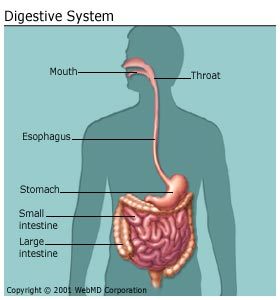
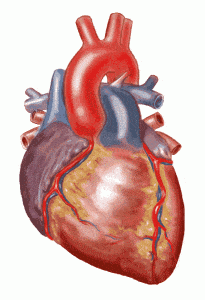
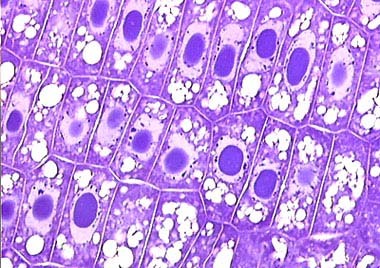
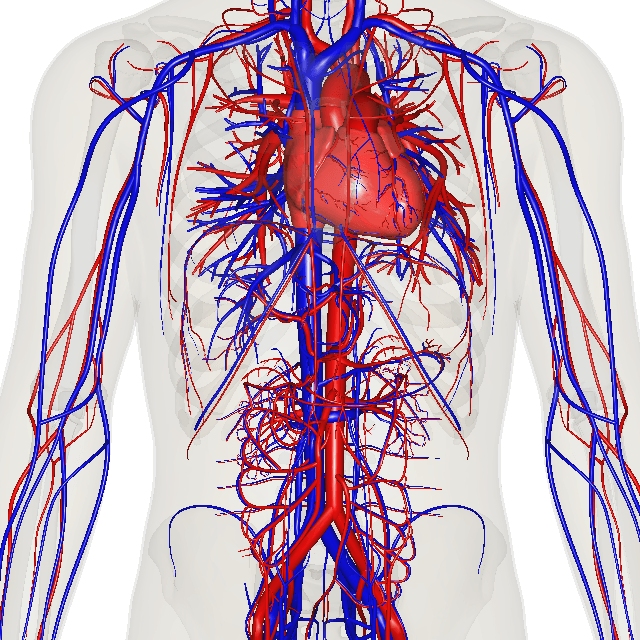
A structure made up of different types of tissue and performs a specific function in the body.
cells
tissue
organ
organ system
Groups of specialized cells working together to perform the same function.
tissue
organelle
mass
tendon
Which of the following is the correct order of organization in living things from least organized to most organized?
a. Organism, cell, tissue, organ, organ system
a. Organ system, organ, tissue, cell, organism
a. Cell, tissue, organ, organ system, organism
a. Cell, organ, tissue, organ, organism, organ system
How does an organ system differ from an organ?
An organ system is more complex and contains several organs
An organ system is not made up of cells like an organ is.
An organ system is only found in very large organisms.
An organ system is just one part of an organ.
Which sequence describes the levels of organization from MOST organized to LEAST organized?
Organism, Organ, Tissue, Cell
Cell, Tissue, Organ, Organ System, Organism
Cell, Organ, Tissue, Organ System
Organism, Organ System, Organ, Tissue, Cell
Which type of passive transport focuses on the movement of water through the membrane?
Facilitated diffusion
Osmosis
Diffusion

What part of the cell regulates what can enter and leave the cell?
Passive Transport uses ____ energy
no
a lot of
a little bit of
some
How do the particles move in diffusion?
From a region of low concentration to a region of high concentration
From a region of high concentration to a region of low concentration
From a region of low concentration to a region of low concentration
From a region of high concentration to a region of high concentration
How long does diffusion last?
Until the concentration of particles in the system is equal
(Select this answer and I swear i'll make it harder for you in the assessment task)
Until a region in the system has a greater concentration of particles than the other
Until the particles disappear from the system
Select all answer choices that are examples of diffusion
The student sitting next to you just came from gym class and forgot to shower and you can tell.
After sitting in the bathtub for hours, your fingers start to look like prunes.
The girl sitting two rows ahead of you put on too much perfume this morning.
One way to get rid of slugs in your garden is to sprinkle salt on them, so they shrivel up.
Yum! Something smells good. The neighbors are cooking on the grill.
Select all answer choices that are examples of osmosis
Gargling with salt water when you have a sore throat causes your swollen throat cells to shrink and feel better.
After sitting in the bathtub for hours, your fingers start to look like prunes.
Oxygen molecules move from the air sacs in the lungs across the cell membranes.
The student sitting next to you just came from gym class and forgot to shower and you can tell.
One way to get rid of slugs in your garden is to sprinkle salt on them, so they shrivel up.
Allow only certain particles to cross into or out of the cell
Homeostasis
semi-permeable
passive transport
osmosis
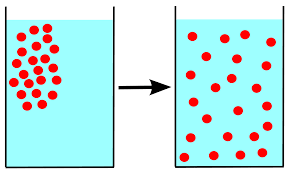
The picture below is an example of _________________.
osmosis
isotonic
diffusion
active transport
What is DIFFUSION?


What is the claim in this passage?
Hermione benefits immensely from her friendship with Harry and Ron. After Harry, Ron, and Hermione band together to defeat the mountain troll, the narrator notes that Hermione becomes "more relaxed (Rowling 181). Because she feels a sense of belonging, Hermione is able to release some of her tension and is better able to connect with those around her.
Red - first sentence
Green - second sentence
Blue - third sentence
What is the evidence in this passage?
Hermione benefits immensely from her friendship with Harry and Ron. After Harry, Ron, and Hermione band together to defeat the mountain troll, the narrator notes that Hermione becomes "more relaxed (Rowling 181). Because she feels a sense of belonging, Hermione is able to release some of her tension and is better able to connect with those around her.
Red - first sentence
Green - second sentence
Blue - third sentence
What is the reasoning in this passage?
Hermione benefits immensely from her friendship with Harry and Ron. After Harry, Ron, and Hermione band together to defeat the mountain troll, the narrator notes that Hermione becomes "more relaxed (Rowling 181). Because she feels a sense of belonging, Hermione is able to release some of her tension and is better able to connect with those around her.
Red - first sentence
Green - second sentence
Blue - third sentence
What is the claim of this passage?
American high schools should offer classes on stress management in order to better prepare students for the workforce. According to CNBC, 80% of American workers report feeling stressed at work. By teaching students healthy habits for managing stress, high schools would help create a generation of workers that is more relaxed and confident.
Red - first sentence
Green - second sentence
Blue - third sentence
Which sentence is the evidence in this paragraph?
American high schools should offer classes on stress management in order to better prepare students for the workforce. According to CNBC, 80% of American workers report feeling stressed at work. By teaching students healthy habits for managing stress, high schools would help create a generation of workers that is more relaxed and confident.
Red - first sentence
Green - second sentence
Blue - third sentence
Which sentence is the reasoning in this paragraph?
American high schools should offer classes on stress management in order to better prepare students for the workforce. According to CNBC, 80% of American workers report feeling stressed at work. By teaching students healthy habits for managing stress, high schools would help create a generation of workers that is more relaxed and confident.
Red - first sentence
Green - second sentence
Blue - third sentence

