
 Worksheets
The Revolutionary Era Review
Total questions: 50
Worksheet time: 25mins

prominent Boston rebel
Samuel Adams
Thomas Jefferson
John Adams
Thomas Paine

Virginia delegate to the Second Continental Congress; wrote the first draft of the Declaration of Independence
Samuel Adams
Thomas Jefferson
John Adams
Thomas Paine

Massachusetts delegate to the Second Continental Congress; suggested Washington should lead the Continental Army
Samuel Adams
Thomas Jefferson
John Adams
Thomas Paine

influential writer who supported American independence
Samuel Adams
Thomas Jefferson
Abigail Adams
Thomas Paine

wife of John Adams who became famous for her letters to her husband
Samuel Adams
Thomas Jefferson
Abigail Adams
Thomas Paine
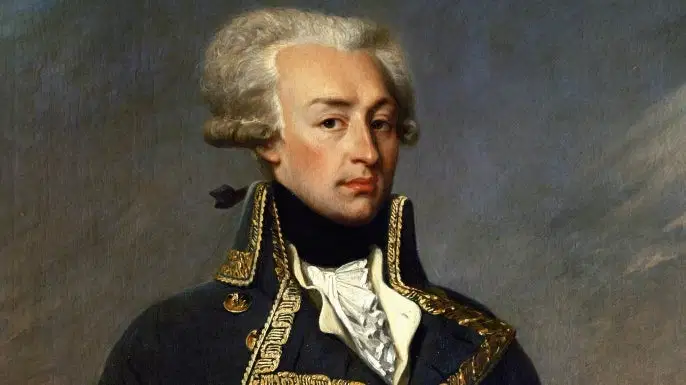
French noble who came to help the American cause
Marquis de Lafayette
Thomas Jefferson
Abigail Adams
Thomas Paine
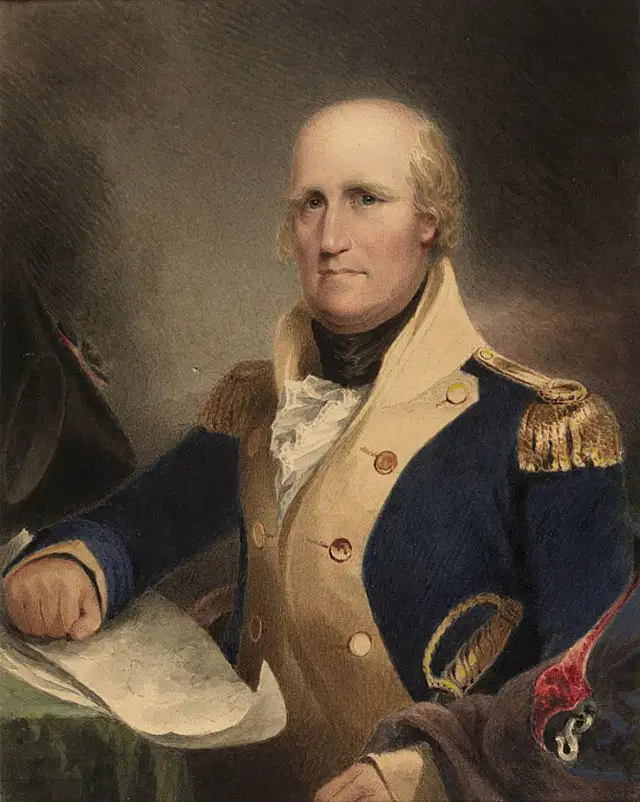
Kentucky pioneer who led colonial forces against the British in the West
Marquis de Lafayette
Thomas Jefferson
Abigail Adams
George Rogers Clark
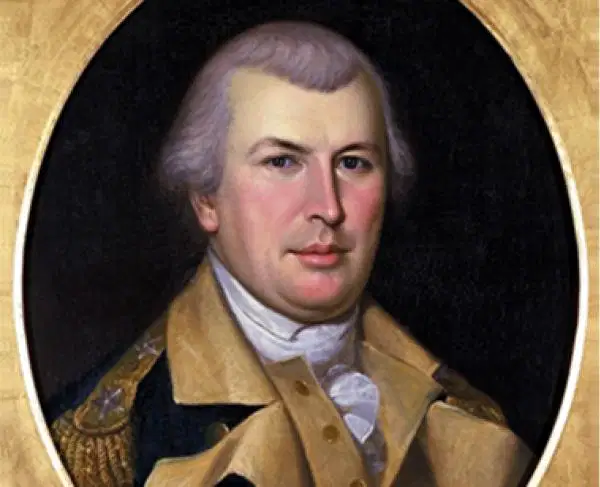
commander of colonial forces in the Carolinas
Marquis de Lafayette
Thomas Jefferson
Nathaniel Greene
George Rogers Clark
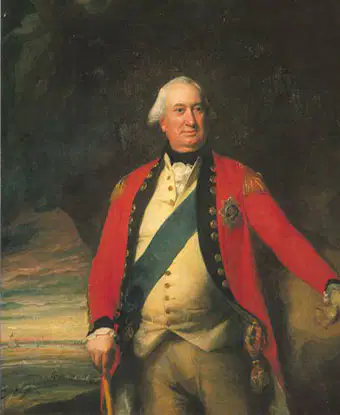
British commander in the South
Marquis de Lafayette
Charles Cornwallis
Nathaniel Greene
George Rogers Clark
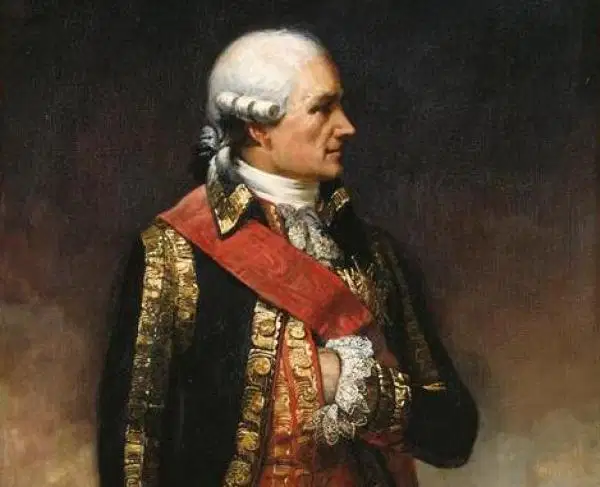
general who led 6,000 French soldiers on the side of the Americans
Count de Rochambeau
Charles Cornwallis
Nathaniel Greene
George Rogers Clark

Spanish governor of Louisiana who attacked British forts
Count de Rochambeau
Charles Cornwallis
Nathaniel Greene
Bernardo de Gálvez
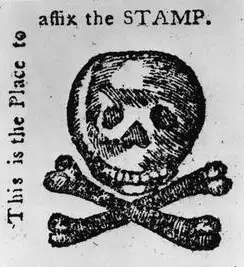
British law that required a government tax stamp on all legal documents
Stamp Act
Boston Massacre
Committees of Correspondence
writs of assistance
British law that gave customs officers the right to search colonial homes without a search warrant
Intolerable Acts
Boston Massacre
Committees of Correspondence
writs of assistance

fight between Bostonians and British soldiers that left five colonists dead
Intolerable Acts
Boston Massacre
Committees of Correspondence
First Continental Congress
groups formed to spread news of British injustices from colony to colony
Intolerable Acts
minutemen
Committees of Correspondence
First Continental Congress
set of four British laws intended to punish colonists; one law closed the port of Boston
Intolerable Acts
minutemen
Committees of Correspondence
First Continental Congress
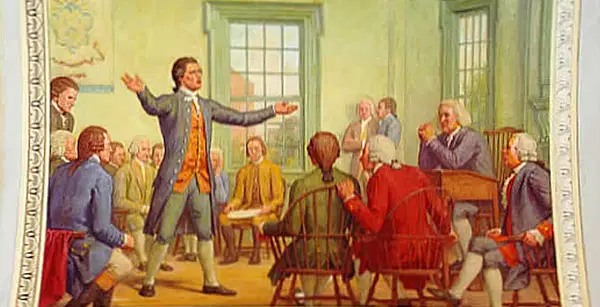
meeting in 1774 of delegates from all the colonies
Intolerable Acts
minutemen
Committees of Correspondence
First Continental Congress
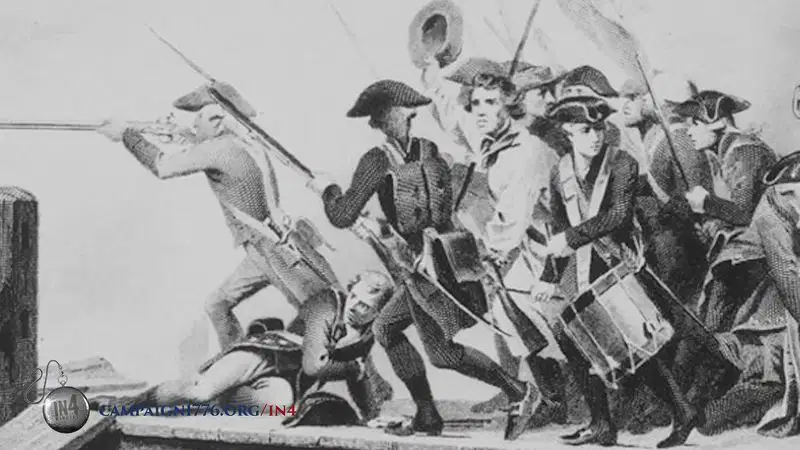
colonial soldiers who would be ready to resist a British attack at short notice
Intolerable Acts
minutemen
Committees of Correspondence
Second Continental Congress
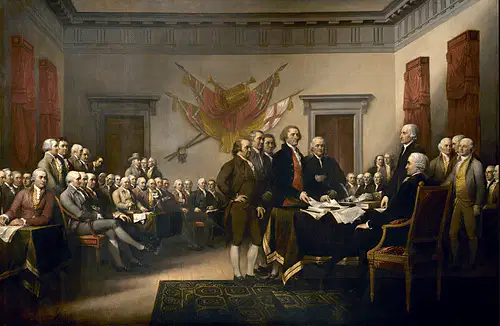
meeting in 1775 of delegates from all the colonies
Intolerable Acts
Continental Army
Committees of Correspondence
Second Continental Congress
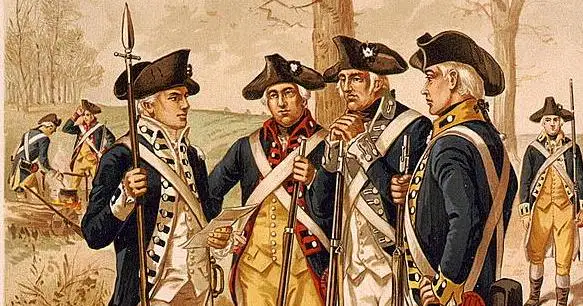
colonial army formed by the Second Continental Congress
Intolerable Acts
Continental Army
Committees of Correspondence
Battle of Bunker Hill

first major battle of the American Revolution
Intolerable Acts
Continental Army
Loyalist
Battle of Bunker Hill
colonist on the side of Britain
Common Sense
Continental Army
Loyalist
Battle of Bunker Hill
Paine’s pamphlet that argued in favor of independence
Common Sense
Virginia Declaration of Rights
Loyalist
Battle of Bunker Hill
first official call for American independence; issued by the Virginia Convention in 1776
Redcoats
Virginia Declaration of Rights
Loyalist
Battle of Bunker Hill
British soldiers who wore red coats
Redcoats
Battle of Saratoga
Loyalist
Battle of Bunker Hill

battle won by the Americans; considered the turning point of the Revolutionary War
Valley Forge
Battle of Saratoga
Loyalist
Battle of Bunker Hill

place where the Continental Army survived a bitter winter
Valley Forge
Battle of Saratoga
inflation
Battle of Bunker Hill
a fall in the value of paper money, accompanied by a rise in prices
Valley Forge
Battle of Saratoga
inflation
Battle of Yorktown

battle that led to Cornwallis’s surrender
Valley Forge
Battle of Saratoga
Treaty of Paris
Battle of Yorktown
1783 treaty that ended the American Revolution
Valley Forge
Battle of Saratoga
Treaty of Paris
Battle of Yorktown
What war left Britain with huge debts?
French and Indian War
King Phillip's War
War of 1812
Bacon's Rebellion
What was the Stamp Act?
said that all legal documents had to have a government tax stamp
forced colonists to find living space for British soldiers in America
gave customs officers the right to search houses without a search warrant
closed the port of Boston
How many people were killed at the Boston Massacre?
5
1
100
500
What did the First Continental Congress do?
They issued a Declaration of Rights.
They also agreed not to import or use British goods and to stop most exports to Britain.
They formed a force of minutemen.
All of these.
Where was the first battle of the Revolution?
Lexington
Bunker Hill
Long Island
Boston
Who commanded the Continental Army?
George Washington
Benedict Arnold
Nathaniel Greene
Thomas Jefferson
How did the king respond to the colonists’ petition for reconciliation?
The king declared the colonies to be in rebellion.
He listened to them and promised to change some laws.
The king promised to remove all taxes on the Colonies.
The king allowed the colonists to send representatives to Parliament.
The Battle of Bunker Hill was the first major battle of the American Revolution.
True
False
When the Declaration of Independence was approved.
July 4, 1776
June 5, 1775
April 18, 1771
July 13, 1777
Who was Abigail Adams?
the wife of John Adams
a female representative from Massachusetts
the first female president
a woman who fought in the Revolutionary War
From where did the British hire soldiers?
Germany
France
Italy
Spain
How did women serve the Patriot cause?
A few disguised themselves as men and became soldiers.
Some served as couriers, scouts, and spies
Some turned their homes into hospitals.
All of these.
How did Washington break the rules of warfare?
he fought in the winter
he killed all of his prisoners
he refused to let the British surrender
All of these.
What battle was the turning point of the Revolutionary War?
The Battle of Concord
Paying for the war was a problem because the Congress did not have the power to tax.
True
False
Why did the British move their campaign to the South?
Loyalist sympathies seemed to be strongest there.
They had won all of their battles in the North.
George Washington had retreated there with his army.
All of these.
Who was the American general in the South?
Nathaniel Greene
John Paul Jones
Benedict Arnold
Horatio Gates
Who was the Count of Rochambeau?
The leader of the French army.
The Spanish governor of Louisiana.
The general who trained American troops.
A general in the British Navy.
Why did Cornwallis go to Yorktown?
He thought British ships would come to take his troops to Charleston or New York.
He wanted to trap Washington's army.
He needed to resupply his army there.
He wanted to prevent the French from helping the Americans.
Which states ended slavery after the war? (Choose 2)
the New England states
Pennsylvania
Virginia
South Carolina

