
 Worksheets
Fuels - alkanes, alkenes and alkynes
Total questions: 28
Worksheet time: 19mins

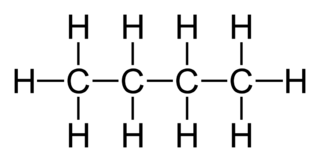
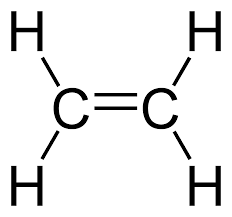
A homologous series is a family of organic compounds with
similar chemical properties and same general formula
similar chemical properties and different general formula
different chemical properties and same general formula
similar physical properties and same general formula
Each member of a homologous series differs from the next by a
–CH2 group
–CH group
–CO2 group
–CH4 group
An alkane is
polyunsaturated
polysaturated
saturated
unsaturated
What is the name of the process used to separate crude oil into its useful parts?
(a)
LPG stands for
(a)
A use of naphtha
jet fuel
manufacture of medicines, plastics, detergents etc.
motor fuel
road surfacing
A use of kerosene is
aircraft fuel
in the petrochemical industry
to power ships
motor vehicle fuel
A use of bitumen is
aircraft fuel
road surfacing
domestic gas i.e. cooking
ship fuel
A use of light gasoline
aircraft fuel
domestic use i.e. cooking
motor vehicle fuel
manufacture of medicine, plastic, detergent etc.
What is the octane number of heptane?
(a)

What has an octane number of 100? (either name)
(a)
The premature ignition of the petrol-air mixture in an engine before normal ignition by spark is called
knocking
auto-explosion
spark plug
auto-ignition
Lead compounds used to be added to petrol to prevent knocking. Why is it not added anymore?
health hazard
poisonous lead pollution from car exhausts
poisonous to the metal on the car catalytic converter
explosive
In fractional distillation, what physical property are the fractions in the crude oil separated by?
(a)
The shorter the alkane chain...
The higher the octane number
The lower the octane number
Cyclic structures have a lower octane number than straight-chain structures.
True
False
Changing straight-chain alkanes into their isomers is called
Isomerisation
Catalytic cracking
Dehydrocyclisation
Oxygenation
Alkenes are produced as a result of _____________ and these alkenes feedstock the petrochemical industry.
Isomerisation
Catalytic cracking
Dehydrocyclisation
Oxygenation
Hydrogen is removed in
Isomeration
Catalytic cracking
Dehydrocyclisation
Oxygenation
The more branched the carbon chain
the higher the octane number
the lower the octane number
What is the chemical formula for ethyne?
CH4
C2H4
C2H3
C2H2

