
 Worksheets
Quiz Science Circulatory System
Total questions: 40
Worksheet time: 28mins

Where do arteries carry blood?
from tissues to the heart
away from the heart to tissues
to the bones only
arteries are not a type of blood vessel
What are veins?
they carry blood away from the heart
they carry blood to the heart
they exchange gasses
they release hormones into the bloodstream
What does overeating unhealthy fats lead to?
these keep blood vessels clean and smooth
they will cause fat build up in blood vessels
it will cause you to lose sleep
overeating these fats has no effect
What are the 3 main components to the circulatory system?
blood
blood vessels
lungs
blood
blood vessels
heart
blood
veins
lungs
arteries
blood vessels
lungs
How many compartments are there in the heart?
3
5
8
4
What is the purpose of the circulatory system?
to help us breath
to transport acid
to transport oxygen, hormones and nutrients
to help us move
What do valves do in the heart?
pump blood through the veins
nothing
stop blood flowing backward
block the blood
Why does our heart rate increase?
because we are tired
because we need more oxygen to our muscles
because my feet hurt
because we're asleep
Which disease that related to circulatory system?
asthma
allergy
emphysema
hypertension
Anaemia is a disease that is low in _____ blood cells
white
red
blue
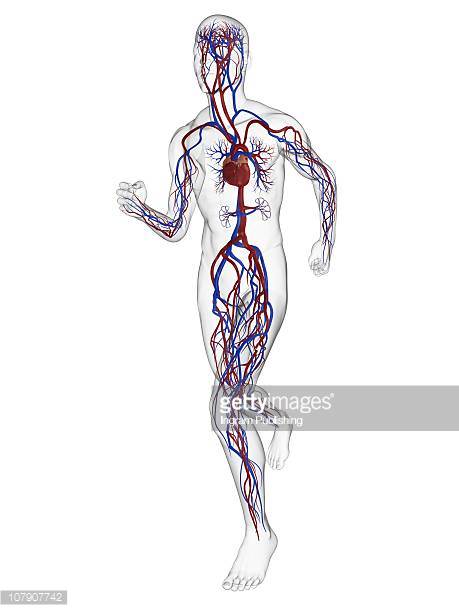
What is the main organ of the circulatory system?
small intestine
bone
lungs
heart
Arteries carry oxygen rich blood away from the heart.
True
False
Veins carry oxygen poor blood back to the heart.
False
True
The job of the heart is to . . .
pump blood around the body.
send food to the small intestines.
break down food.
give energy to the body.
The blood releases _____________ to the lungs.
oxygen
carbon dioxide
blood
nutrients
Which of the following does the circulatory not consist of?
Heart
Lungs
Blood
Blood vessles

The correct names for parts of heart in the picture are ....
1= right atrium, 2 = left atrium,
3 = left ventricle, 4 = right ventricle
1= left ventricle, 2 = right ventricle,
3 = left atrium, 4 = right atrium
1= left atrium, 2 = right atrium,
3 = left ventricle, 4 = right ventricle
1= left atrium, 2 = right atrium,
3 = right ventricle, 4 = left ventricle
The atriums are pumping blood.
True
False
Deoxygenated blood means ....
blood rich in oxygen
blood poor in oxygen

The function of part of organ in the picture is ....
receive oxygenated blood
pump the blood to the lungs
pump the blood to the whole body
receive the blood returning from the body

The function of organ in number 2 is ....
pump the deoxygenated blood to the lungs
pump the oxygenated blood to the whole body
receive oxygenated blood returning from the lungs
receive deoxygenated blood returning from the body
The chambers in the heart that receive blood are called ....
atrium
ventricle
What is the function of platelets in the blood?
Platelets help transport oxygen in the blood
The function of platelets in the blood is to help with blood clotting and stop bleeding.
Platelets regulate blood pressure
Platelets aid in digestion of food
What is the role of white blood cells in the body?
The role of white blood cells in the body is to produce insulin.
The role of white blood cells in the body is to regulate body temperature.
The role of white blood cells in the body is to aid in digestion.
The role of white blood cells in the body is to fight off infections and foreign invaders.
What is the function of plasma in the blood?
The function of plasma in the blood is to transport nutrients, hormones, and waste products throughout the body, as well as to help maintain blood pressure and regulate body temperature.
The function of plasma in the blood is to regulate heart rate
The function of plasma in the blood is to produce red blood cells
The function of plasma in the blood is to store oxygen
A blockage in a coronary artery can cause a person to suffer a ______________________
heart attack
heart beat
heart stopper

