wayground logo

Free Printable Worksheets

Font size

S
M
L
XL
Worksheets

Weather Unit Test

Total questions: 26

Worksheet time: 2hrs 10mins
Name
Class
Date
1.
Name- First and Last
4 lines
2.
In which layer of the atmosphere do we live?
a)
stratosphere
b)
troposphere
c)
asthenosphere
d)
mesosphere
3.
By which process are clouds formed?
a)
condensation
b)
transpiration
c)
precipitation
d)
evaporation
4.
Cold air ________ , warm air ________.
a)
rises, sinks
b)
sinks, rises
5.
Wind flows from areas of _______ pressure to _______ pressure.
a)
low, high
b)
high, low
6.
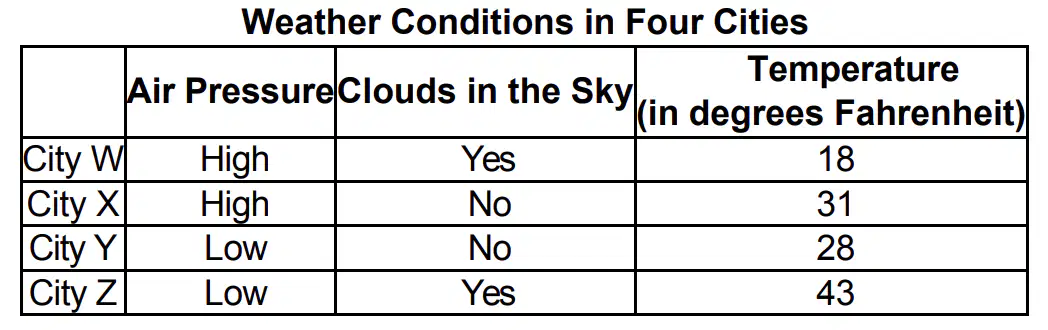
Based on the data in the table, in which city will it most likely rain?
a)
City W
b)
City X
c)
City Y
d)
City Z
7.
Looking at the map what is causing the ocean currents to be rotating in different directions in the northern and Southern Hemisphere
a)
jet streams
b)
sea breeze
c)
Coriolis Effect
d)
time zones
8.
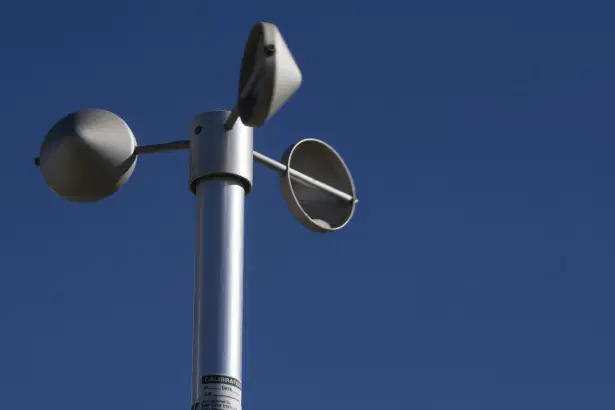
Name the weather instrument that measures wind speed and wind direction.
a)
barometer
b)
anenemotor
c)
wind sock
d)
thermometer
9.
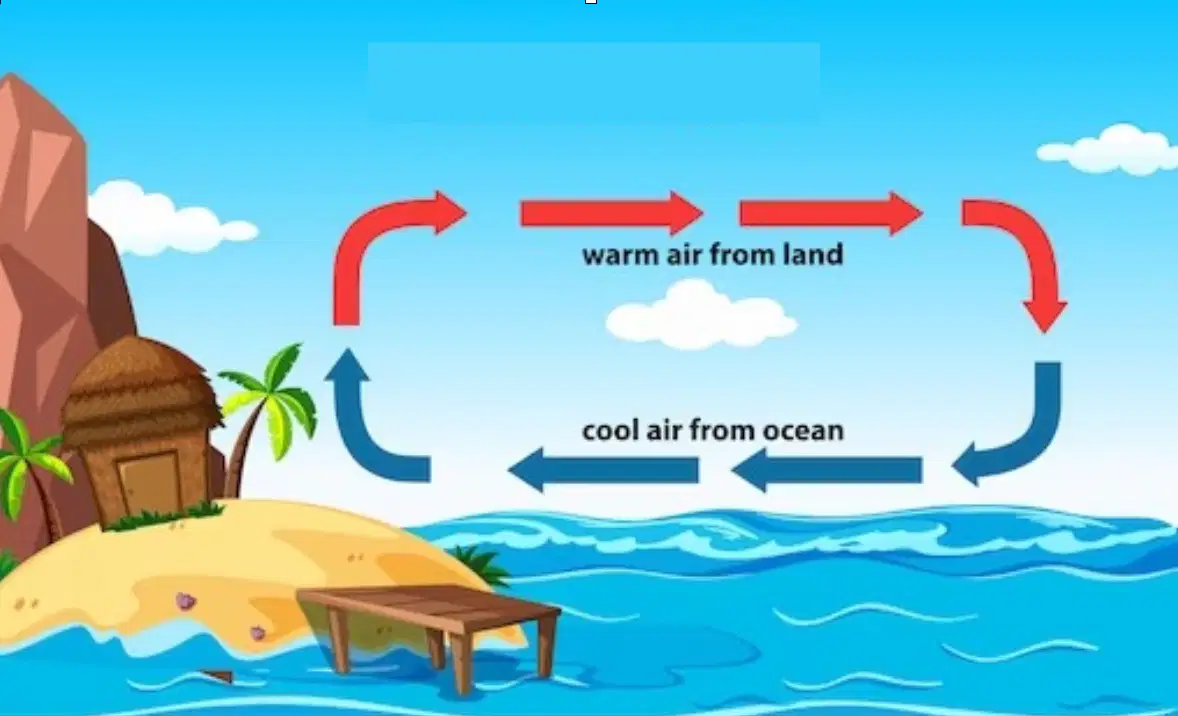
Construct an explanation to describe what is occurring in the image below:
4 lines
10.
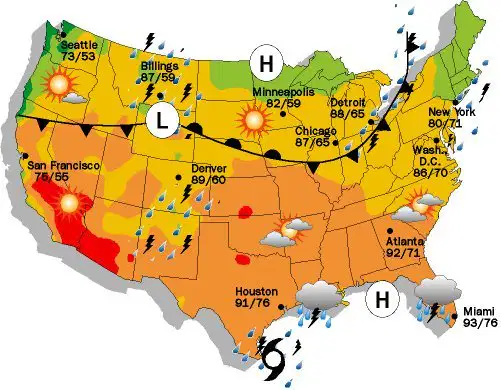
Use the map to answer questions. a. What kind of front has just passed through Detroit moving towards New York? b. What kind of weather is Minneapolis having? c. What is moving towards Texas in the Gulf of Mexico?
4 lines
11.
How does the Sun affect the ocean currents and the wind?
4 lines
12.
The image below shows a cold front. Construct an explanation to describe what is occurring in this diagram.
4 lines
13.

Label the layers of the atmosphere.

14.
Question Image

Match the following

a)
1.

stationary front

b)
2.

cold front

c)
3.

occluded front

d)
4.

warm front

15.

Air density - label

16.

The image shows a weather map with different pressure systems. What type of weather would Texas be having right now?

a)

clear, sunny, dry weather

b)

rainy, cloudy, stormy weather

17.

Match the following

a)

Tradewinds

1.

0-30 N/S latitude

b)

Polar Easterlies

2.

60-90 N/S latitude

c)

Prevailing Westerlies

3.

30-60 N/S latitude

18.

What is severe weather?

a)

Dangerous acts of weather that puts animals, people, or buildings at risk.

b)

Bad weather like a rainstorm

c)

Weather caused by the water cycle that is dangerous

d)

Deadly weather that happens every single day

19.
What are thunderstorms?
a)
a storm with thunder and lighting and typically also heavy rain or hail
b)
a storm that can be the same as thunderstorms, but even more dangerous
c)
a mobile, destructive vortex of violently rotating winds having the appearance of a funnel shaped cloud and advancing beneath a large storm system.
d)
a huge storm with strong winds and storm surges
20.
A severe storm that involves high winds and forms over water is:
a)
tornado
b)
thunderstorm
c)
hurricane
d)
blizzard
21.
A severe storm which involves a funnel cloud forming over land is:
a)
hurricane
b)
tornado
c)
thunderstorm
d)
blizzard
22.
What happens if a hurricane moves over land or cold ocean water?
a)
it will get stronger
b)
it will get weaker
c)
it will upgrade its category
d)
it will morph into a typhoon
23.

Lightning heats the air so much that the air expands. The sound created by the sudden expansion and contraction is called _______________________.

a)

expansion

b)

thunder

c)

radar

d)

lightning

24.

Blizzards are severe weather. Which is NOT a part of a blizzard?

a)

Heavy snowfall

b)

High winds

c)

Freezing cold temperatures

d)

Light/heavy rain

25.

Match the following

a)

occurs when the sun heats water up and it becomes vapor in the air.

1.

Evaporation

b)

the opposite of evaporation; it occurs when air cools and the vapor collects into liquid form.

2.

Condensation

c)

condensation falling onto land in the form of rain, sleet, hail, snow, and mist. Only 10% of water evaporated falls as precipitation.

3.

Precipitation

d)

the downward movement of water from the land surface into the soil or porous rock. Ground water begins as precipitation. Once water infiltrates the soil it can move vertically and horizontally through the soil.

4.

Infiltration

e)

is the water that exists for long periods below the Earth’s surface.

5.

Groundwater storage

26.
Question Image

Match the following

a)

Evaporation

1.

A

b)

Condensation

2.

B

c)

Precipitation

3.

C

d)

Transpiration

4.

D

e)

Groundwater

5.

E