
 Worksheets
Matter Pre-Test 2024
Total questions: 74
Worksheet time: 36mins
Solids are described as having a
definite shape and indefinite volume
indefinite shape and indefinite volume
definite shape and definite volume
indefinite shape and definite volume
Solids are described as having a
definite shape and indefinite volume
indefinite shape and indefinite volume
definite shape and definite volume
indefinite shape and definite volume
Liquids are described as having a
definite shape and indefinite volume
indefinite shape and indefinite volume
definite shape and definite volume
indefinite shape and definite volume
Gases are described as having a
definite shape and indefinite volume
indefinite shape and indefinite volume
definite shape and definite volume
indefinite shape and definite volume
Gas particles have the ________ kinetic energy because they move the fastest.
least
most
Particles that make up a solid have the _____________ attraction toward each other.
strongest
weakest
When a liquid changes its phase and turns into a solid it is known as
condensation.
melting.
vaporization.
freezing or solidification.
When a gas changes its phase and turns into a liquid it is known as
condensation.
sublimation.
vaporization.
freezing or solidification.
When a gas changes its phase and turns into a solid it is known as
deposition.
sublimation.
condensation.
freezing or solidification.
When a solid changes its phase and turns into a liquid it is known as
deposition.
melting.
condensation.
freezing or solidification.
When a solid changes its phase and turns into a gas it is known as
deposition.
melting.
condensation.
sublimation.
All phase changes are
chemical changes
chemical reactions
physical changes
irreversable

Segment B?
solid
liquid
freezing
melting

Segment D?
gas
liquid
boiling
melting

Segment E?
gas
liquid
boiling
melting
During a phase change, the temperature remains the same
True
False
Substances that are made up of ONLY one type of atom (element) or compound.
Heterogeneous mixture
Pure substance
Suspension
Homogeneous mixture
Substances that are made up of ONLY one type of atom (element) or compound.
Heterogeneous mixture
Pure substance
Suspension
Homogeneous mixture
Which of the following is classified as a pure substance?
Lemonade
Fruit punch
ketchup
Hydrogen
What is matter?
Anything that has mass and occupies space
Anything that has mass
Anything that is made of air
ALL of them
Which of the following is a pure substance?
Water
Sugar
Gold
ALL of them
Which of the following is NOT a mixture?
milk
lemonade
vegetable salad
carbon
Which of these is an element?
Salt (NaCl)
Water (H20)
Oxygen (O)
Carbon Dioxide (CO2)
Which of these is a compound?
Aluminium (Al)
Carbon Dioxide (CO2)
Nitrogen (N)
Sand
True or False: Elements and compounds are pure substances.
True
False
Identify which images are HETEROGENEOUS MIXTURES! (Check all that apply)


Max is hungry and he prepares cereal with milk. This is an example of a:
Homogeneous mixture
Heterogeneous mixture

What are the two types of Mixtures
Elements and Subatomic Particles
Protons and Electrons
Atoms and Compounds
Homogenous and Heterogeneous

Two substances physically combined and that appears the same throughout is classified as
A homogeneous mixture
A heterogeneous mixture
An element
A compound

What type of mixture does this diagram represent?
Homogeneous
Heterogeneous
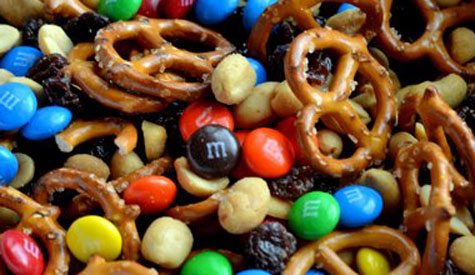
What type of mixture is this?
homogenous mixture
chemical
heterogeneous mixture
solid mix
A mixture that contains two or more substances uniformly combined
heterogeneous mixture
homogeneous mixture
suspension
colloid

Matter is classified in...
Elements & Compounds
Homogeneous & Heterogeneous
Colloids & Suspensions
Pure substances & Mixtures
Choose which one is a physical property
Flammability
Solubility
Water Reaction
Magic
The melting point of a substance is the temperature at which the substance changes from a solid to
Gas
Liquid
Solid
Plasma
Choose the one that is a chemical property
Magnetism
Size
Color
Reactivity with water
Flammability is the ability of a substance to _________
Burn
Transfer heat
Transfer electricity
Cook
The characteristics of a substance depends on its size.
True
False
If you describe a substance as being corrosive, you have given a __________ property of that substance
Chemical
Large
Physical
Thermal
Electrical conductivity is an example of what kind of property?
Chemical
Large
Physical
Boiling
Choose the 3 that are physical properties of aluminum foil
Malleable
Luster
Oxidation
High melting point
What is the outcome of observing a chemical property?
Nothing
A new substance is formed with different properties
NaCl
A rise in thermal conductivity
Describe the physical and chemical properties of an emergency raft that will take you to safety
Reacts with exposure to water
Less dense than water (floats)
Corrosive
Solid at room temperature
If you had two different substances that looked exactly the same, which properties would you use to tell them apart?
Sound
Size
Color
Density
Which of these statements best describes a chemical property of a substance?
It reacts with an acid to form water
The object has a blue color
The substance has a powdery texture
It has a density of 2.11 g/cm3
Choose whether the following is a physical or chemical property: Malleability
Physical
Chemical
Choose whether the following is a physical or chemical property: Reacts with oxygen
Physical
Chemical
Choose whether the following is a physical or chemical property: Magnetic
Physical
Chemical
Choose whether the following is a physical or chemical property: Non-flammable
Physical
Chemical
Choose whether the following is a physical or chemical property: Oxidation
Physical
Chemical
A Chemical Change is also known as what?
Physical Change
Physical Property
Chemical Reaction
Chemical Property
Which of the following could indicate that a chemical change took place?
Change in color
Change in temperature
Formation of Gas
All are correct
A green powder is heated & a gas is given off while it turns into a black solid.
This describes...
Physical Change
Chemical Change
Change in State
Change in Temperature

Which of the following is a physical change?
Getting a haircut
Rusty metal
sour milk
A compound


Wood burned in a fireplace.
Chemical Change
Physical Change
Cake batter baked in an oven.
Chemical Change
Physical Change
Glass bottle that is shattered.
Chemical Change
Physical Change
Scrambling eggs is an example of
A physical change
A chemical change
Solution
Is mixing chocolate syrup into milk a chemical or physical change?
Chemical
Physical
During a chemical change, atoms...
Are rearranged to form something new
Stay the same
Arranged to become a liquid
Check all the different forms of matter
Solid
Liquid
Gas
Density
Atoms
What does it mean when there is a physical change?
Matter has change from one substance into another.
Matter has change on the molecular level
A new substance has been formed.
Matter has changed size, shape or form.


