
 Worksheets
Topic 1: Understanding Anthropometrics and Ergonomics
Total questions: 48
Worksheet time: 24mins
What are the primary aims of Human Factors?
To increase the complexity of system interfaces.
To reduce costs in manufacturing processes.
To prioritize aesthetic design over functionality.
To enhance usability, safety, and efficiency in system design.
How can Anthropometric data sets differ across various populations?
Anthropometric data sets differ due to genetic, environmental, nutritional, cultural, and lifestyle factors.
Environmental factors have no impact on anthropometric data variations.
Genetic factors are the only reason for differences in anthropometric data.
Anthropometric data sets are identical across all populations.
What is the difference between static data and dynamic data?
Static data is always stored in memory, whereas dynamic data is stored on disk.
Static data can change frequently, while dynamic data is fixed.
Dynamic data is easier to manage than static data.
Static data remains constant, whereas dynamic data is variable and can change.
What distinguishes Primary Anthropometric Data from Secondary Anthropometric Data?
Primary data is always more accurate than secondary data.
Primary data is less expensive to obtain than secondary data.
Primary data is firsthand collected; secondary data is derived from existing sources.
Secondary data is collected through surveys and interviews.
What tools are commonly used to collect anthropometric data?
Rulers, protractors, thermometers
Digital cameras, GPS devices, compasses
Microscopes, spectrometers, oscilloscopes
Tape measures, calipers, stadiometers, weighing scales
How does the bell curve distribution apply to anthropometric data?
The bell curve indicates that extreme values are more common than average values.
The bell curve distribution applies to anthropometric data by illustrating that most measurements cluster around the average, with fewer extreme values.
The bell curve shows that all measurements are equally distributed.
Anthropometric data is always skewed to the left in a bell curve.
What are the pros and cons of using data within the 5% to 95% percentile range?
Provides a complete view of all data points, including outliers.
Pros: Reduces the impact of outliers, provides a clearer view of the data distribution. Cons: May overlook significant extreme values, potentially leading to incomplete insights.
Simplifies data analysis by ignoring all extreme values.
Increases the influence of outliers, leading to better insights.
Can you provide an example of a design context that utilizes the 5th–95th percentile range?
Developing a universal remote control for all devices.
Designing office chairs that fit users within the 5th–95th percentile range of height and weight.
Creating a smartphone interface for all age groups.
Designing kitchen appliances for energy efficiency.
What are the limitations of using the 50th percentile to represent the 'average' person?
The 50th percentile is the only measure of central tendency.
The 50th percentile represents the average of all individuals.
The 50th percentile does not account for data distribution, outliers, or represent diverse experiences.
The 50th percentile includes all data points equally.
In which specific design contexts would a designer use percentile ranges for populations?
Product design, user interface design, and accessibility design.
Web design, print design, and motion graphics design.
Fashion design, graphic design, and architectural design.
Marketing design, event design, and industrial design.
How does the concept of ergonomics relate to user comfort and efficiency?
Ergonomics aims to increase user discomfort to improve productivity.
Ergonomics enhances user comfort and efficiency by designing environments that reduce strain and optimize interaction.
Ergonomics focuses solely on aesthetics without considering user comfort.
Ergonomics is primarily concerned with the cost of products rather than user experience.
What role does cultural diversity play in the interpretation of anthropometric data?
Anthropometric data is uniform across all cultures.
Cultural diversity has no impact on body measurements.
Cultural diversity affects the interpretation of anthropometric data by introducing variations in body measurements and health outcomes across different populations.
Cultural diversity only affects dietary habits, not body measurements.
What factors need to be considered when designing a can opener for an elderly person
with arthritis?
I. Physiological
II. Biomechanics
III. Anthropometric
A. I and II only
B. I and III only
C. II and III only
D. I, II and III
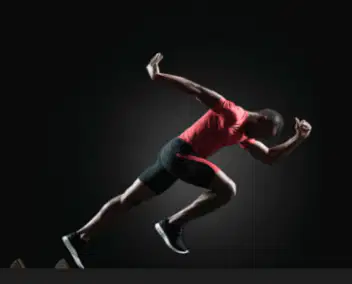
Figure 1 shows information gathered from an athlete in a sports
laboratory. Muscle strength, age and coordination are examples of which
type of factors considered by designers?
A. Psychological factors
B. Biomechanical factors
C. Static factors
D. Primary factors
Which of these is a word associated with physical human factors in design?
Aesthetics
Cost
Ergonomics
Environment
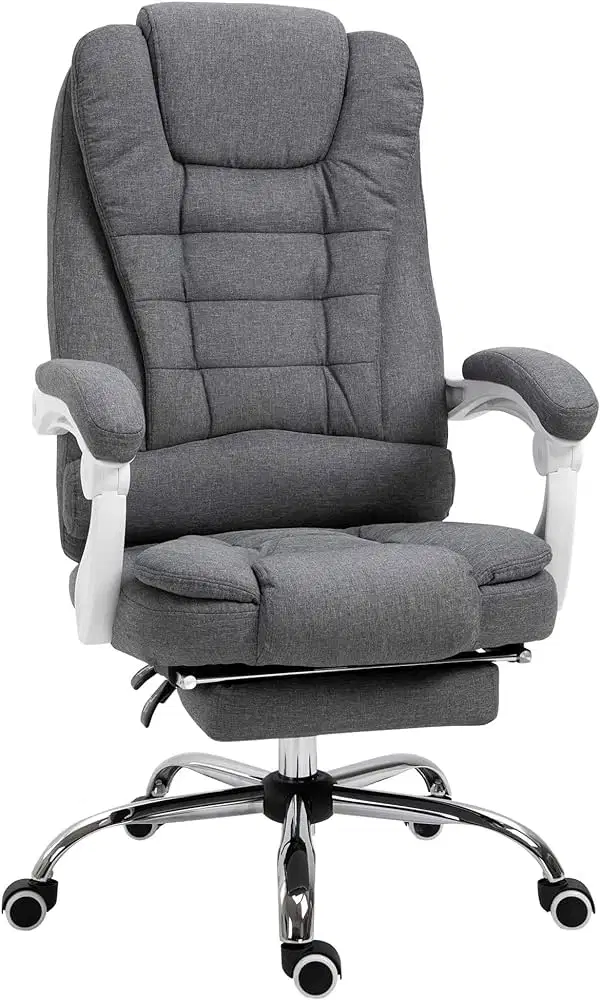
How has this chair been designed to be inclusive?
Head and back support
Reclining facility
Easily raised up and down
Can move on wheels
When a question asks you do DISCUSS you should ...
Express, concisely, the relevant details
State meaning and identify essential qualities
Make clear
Identify issues and provide points for and/or against
What is the purpose of task analysis in ergonomics?
A) To identify the physical and mental demands of a task
B) To determine the most efficient workflow
C) To evaluate the cost of ergonomic interventions
D) To assess the productivity of workers
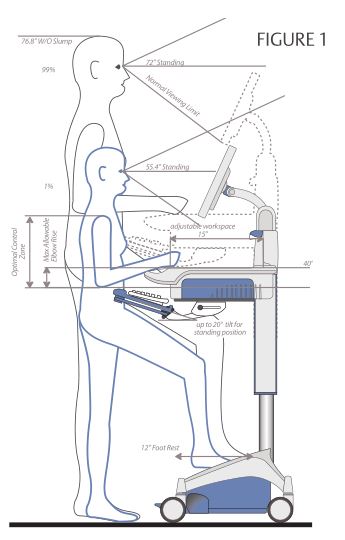
User centered design reminds us to
Ask users what color they like
Design the one thing everybody will like
Consider the social, physical, emotional and cultural needs of our users
Focus on a single user and meet all of their needs
The amount of effort in performing a task depends on a number of factors. _____ is not one of those factors.
Type of grip
Object weight
Object dimensions
Fatigue
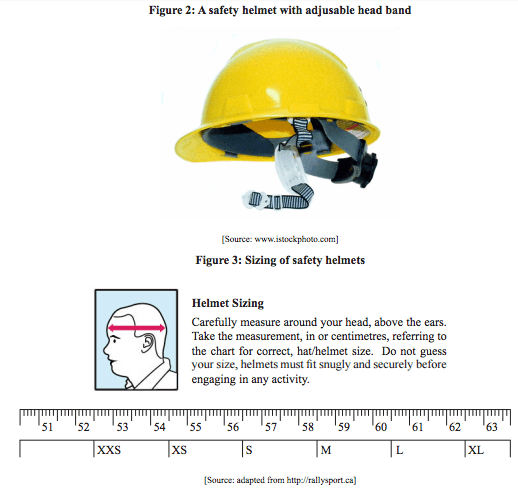
Read the attached figure. Which helmet size would be required for a person whose head circumference is 54.5 cm?
XXS
XS
S
M
L

Which object would be best located in the primary zone?
display screen
computer mouse
stapler
heavy file cabinet
Which percentile range would be used to design a new playground ride?
99th
95th
50th
5th
What is the best example of Dynamic Anthropometric Data?
Thumb size
Length of leg
Pivot movement in ankle
Knee to foot length
A “reach envelope” is the volume in 3-D space that a person can reach. Reach envelopes are used by designers, e.g. for the design of a cockpit-style workspace Data for which percentile range would ensure that the maximum numbers of users would be able to reach items within the workspace?
99th
95th
50th
5th
Which percentile range would be used in designing a seat for a mass-produced car?
5th
5th–95th
95th
50th
Which is NOT a Disadvantage of Naturalistic Observation
Experimenter can control outside variables.
People may behave differently when they know they are being watched.
People may try to behave in a certain way in order to conform to what they think the researchers expects to see.
Different observers may draw different conclusions from the same witnessed behaviour.
The layout of a kitchen is deemed ergonomic when you have which of the following layouts?
Golden Triangle
Golden Platform
Work Triangle
Work Area
Biomechanics is the study of what?
The study of the action of external and internal forces on the living body
The biological systems found in human’s body
The mechanic systems found in a human body
Both B and C.
An example of biomechanics in use is
How the heart functions
How the legs move
How much turning force a person can apply to a jam jar lid
How much noise a person can hear of a certain frequency.
What is the main disadvantage of primary data collection in anthropometrics?
High cost
Incomplete information
Efficient spending of information
Control
In fashion design, what is the purpose of designing for the 5th percentile range?
Ensuring everyone can reach controls
Accommodating the majority of the market
Designing for tall individuals
Addressing specific research questions
Which type of ergonomic deals with mental processes such as perception and memory?
Physical ergonomics
Cognitive ergonomics
Organizational ergonomics
Environmental ergonomics
What aspect of anthropometrics deals with measurements taken while the subject is in motion?
Static data
Skeletal dimensions
Soft tissue measurement
Dynamic data
Which part of the human information processing system would most likely be affected by mental stress?
A. Motor processes
B. Output
C. Sensory processes
D. Central processes
A designer would label items by name using…
A. a ratio scale.
B. an ordinal scale.
C. a nominal scale.
D. an interval scale.

Advances in 3D printing have led to lighter and more aesthetic prosthetic products, see Figure 1.
Figure 1: A 3D printed prosthetic product
[Source: Anna Shvets / Pexels.]
Which human factors were considered by the designer?
I. Physiological factors
II. Psychological factors
III. Aesthetic factors
A. I and II only
B. I and III only
C. II and III only
D. I, II and III
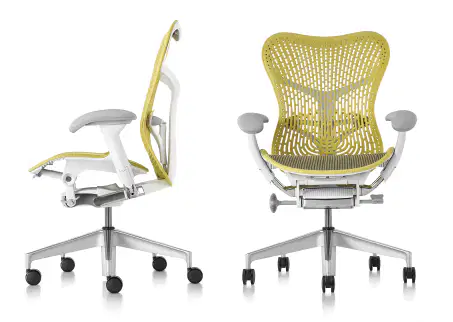
Figure 1 shows the Herman Miller Mirra 2 chair.
Figure 1: The Herman Miller Mirra 2 chair
[Source: Mirra 2 chair images provided by Herman Miller]
What anthropometric data is most appropriate for the design of the Herman Miller Mirra 2 chair?
A. 5th–95th percentile
B. 5th percentile
C. 50th percentile
D. 1st–99th percentile
What is the purpose of applying the ergonomic principles in product design?
To increase the affordability of the product
To appeal to more end-users
To reduce injury, fatigue and discomfort
To protect the creator's IP and moral rights
Which is a design element?
Pattern
Colour
Contrast
Balance
What distinguishes between "range of sizes" and "adjustability" in product design?
Range of sizes is fixed, while adjustability allows for customization.
Adjustability focuses on fashion, while range of sizes concerns technology.
Range of sizes caters to static measurements, while adjustability to dynamic ones.
Adjustability deals with structural data, while range of sizes considers functional data.
Which scale of measurement allows the order and differences between levels of a variable to matter, but they are not in ratio?
Ratio scales
Interval scales
Ordinal scales
Nominal scales
What is the difference between perception and alertness?
Perception relates to understanding sensory information, while alertness involves being aware of potential threats.
Alertness prioritizes and orders received information, while perception organizes and interprets sensory information.
Perception involves awareness and comprehension, while alertness involves projection and comprehension.
Alertness is understanding the presented information, while perception involves organizing sensory information.
What term describes the aspect of ergonomics dealing with body measurements such as size, strength, and physical capacity?
Anthropometrics
Biomechanics
Comfort
Environmental factors
Which of the following factors does NOT relate to the biomechanics of human factors design?
Force
Repetition
Duration
Comfort
What is the term used to describe the repetition of tasks at a high frequency, impacting the body negatively?
Ergonomics
Fatigue
Duration
Repetition
Which of the following is a primary aim of Human Factors and Ergonomics?
Reducing environmental impact
Enhancing operational comfort
Maximizing profits for industries
Streamlining administrative processes
How does cognitive ergonomics influence user interface design?
By focusing on the physical layout of controls.
By considering how users process information and make decisions.
By ensuring that products are visually appealing.
By limiting the number of features in a product.

