
 Worksheets
Chapter 4 The Skeletal System
Total questions: 40
Worksheet time: 3615secs
All of the following bones form part of the knee joint except
The ilium.
The tibia.
The patella.
The femur.

This image represents the __________ skeleton.
appendicular skeleton
axial skeleton
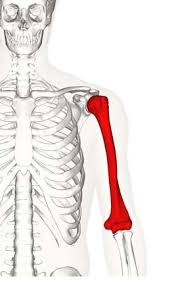
Which bone is highlighted
humerus
fibula
radius
ulna
tibia

The bone represented by #2 is the ___________
fibula
tibia
radius
ulna
femur
There are approximately ________ bones in the adult human body
260
206
305
350
Match the following types of bone cells.
Osteoblasts
immature cells which build the bone matrix
Osteoclasts
breaks done the bone matrix to release minerals we need
Osteocytes
mature bone cells that are surrounded by the bone matrix
Which type of cell is responsible for synthesizing and secreting organic components of the bone matrix?
osteoprogenitor cells
osteoblast
osteoclast
osteocyte
Which part of the skeleton includes the bones of the head, neck, chest, and back?
Axial skeleton
Appendicular skeleton
Peripheral skeleton
Central Skeleton
What function does the ribcage serve in the skeletal system?
Produces red blood cells
Stores Calcium
Protects the heart and lungs
Facilitates movement
What is the role of cartilage in the skeletal system?
To cushion the joints
store minerals
produce red blood cells
supply blood to bones
What is the main function of the axial skeleton?
provide mobility to the limbs
store fat cells
produce cells
protect internal organs and support the body
What is the function of marrow?
To make protein
To make red blood cells
reduce friction
to hold bones together

What type of bone is the femur?
Irregular Bone
Short Bone
Long Bone
Flat Bone

What is the name of the cranial bone that shown by green color?
Frontal
Parietal
Temporal
Occipital


The long shaft of a bone is called the:
Epiphysis
Diaphysis
Periosteum
Endosteum
The soft spots in a baby's skull are called a _ and are made up of _.
fontanel, bone
fontanel, cartilage
sutures, cartilage
sutures, bone

The end of a long bone is called the:
Diaphysis
Epiphysis
Endosteum
Epiphyseal Plate
osteoclast
all of the above
embedded in tendons
absorbs bone tissue during growth//health
provides support and stability

A) Protection
Hematopoasis
C) Movement
D) All of the above
Storage

B
Vertebral column
Pelvic
Sacrum

F
Radius
Arm
Ulna
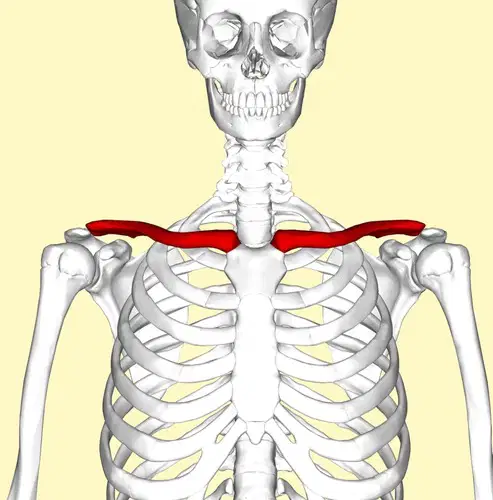
What´s the name of this bone?
skull
clavicle
ribs
humerus
Tap the longest bone ir our body.
radius
femur
humerus
tibia

What bone is shown in red?
femur
fibula
patella
tibia
Your skull is known as your
carpals
cranium
mandible
tarsals

What bones are shown in green?
carpals
metacarpals
metatarsals
tarsals

What bone is shown?
cranium
mandible
metacarpals
tibia
Which type of joint allows for movement in all directions?
Hinge joint
Pivot joint
Ball and socket joint
Saddle joint

What are closed sacs of synovial fluid located near joints?
hinge joint
bursae
meniscus
tendon


This tissue cushions where two bones meet
Tendon
Cartilage
Ligament
Yellow marrow
The skull is identified as having _____ joints?
condyloid
synarthrosis
saddle
amphiarthrosis
During a biology class, Maya and Daniel were studying a 3D model of a human skull. They noticed some holes in the skull. Their teacher, Anika, explained that these holes allow for blood vessels and nerves to pass through. What are these holes called?
Foramens
Sinuses
Processes
Fossas
Which of the following is an example of an immovable joint?
Sutures
Patellas
Saddle Joints
Gliding Joints

