
 Worksheets
Articles of Confederation
Total questions: 109
Worksheet time: 3hrs 30mins
Shays' Rebellion represented...
a success of the Articles of Confederation
a failure of the Articles of Confederation
The main cause for many of the rules in the Articles of Confederation was that the delegates at the Continental Congress...
did not want to give the states too much power because they'd proven they were willing to rebel against a government.
wanted to create a government that was identical to England's government.
were concerned about giving the central government too much power because the King had used his power unfairly.
wanted to unify the states together, which included creating one army and one type of currency.
Who was the president under the articles?
George Washington
Each governor voted on a president
The most senior Senator
There wasn't one
Under the Articles of Confederation, the government could
sign treaties and create taxes
declare war and create taxes
sign treaties and declare war
none of the above
How many colonies were there in total?
12
14
13
11

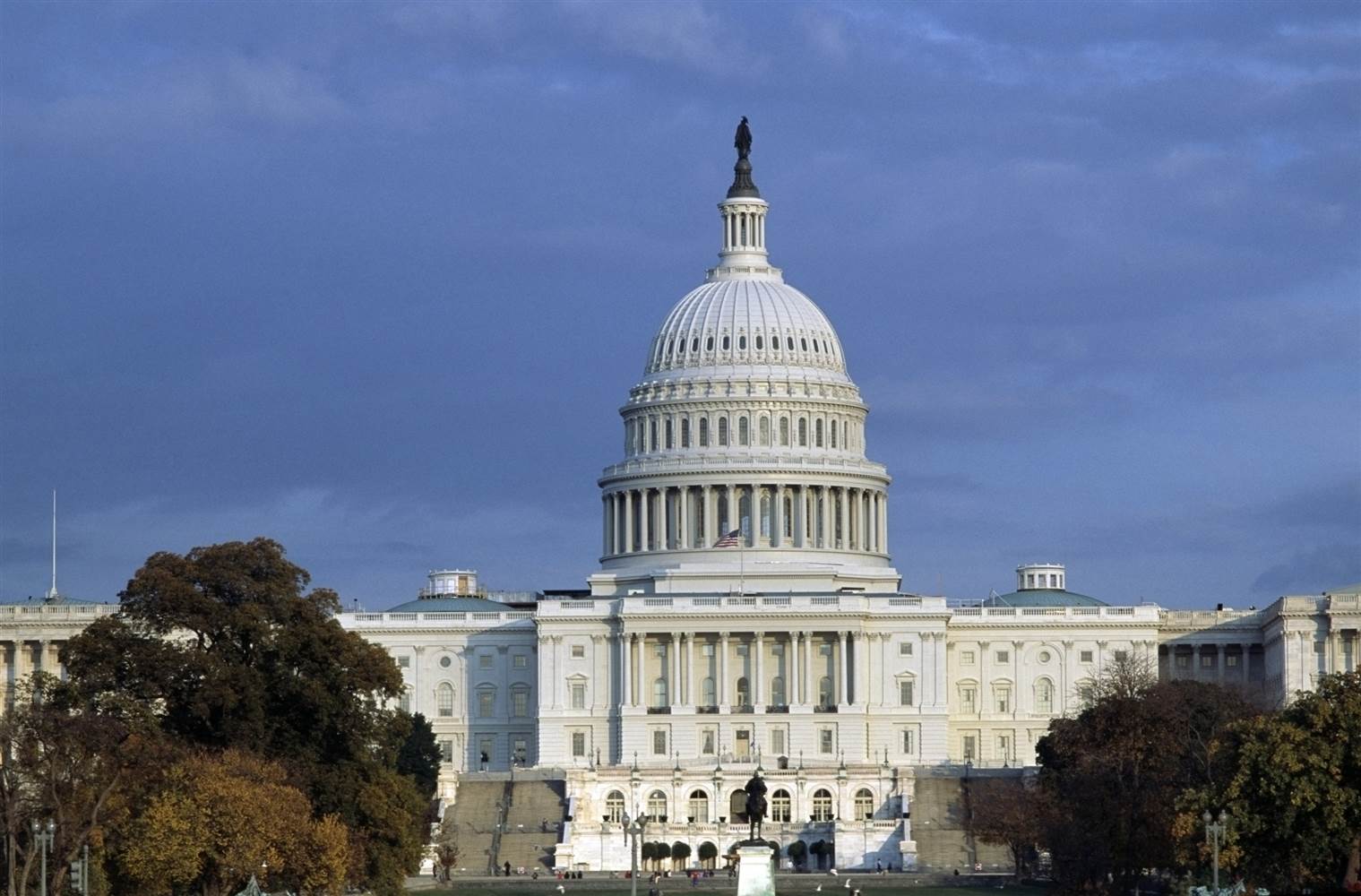
Which of the following GAVE LARGE AND SMALL STATES COMPLETELY EQUAL POWER?
Articles of Confederation
Constitution
Both
Ultimately, the weaknesses of the Articles of Confederation lead to the creation of -
the Treaty of Paris
the Affordable Care Act
the U.S. Constitution
the Declaration of Independence

What 2 rivers border the Northwest Territory?
Ohio River & Mississippi River
Missouri River & Mississippi River
Hudson River & Ohio River
Rio Grande River & Mississippi River


What is a FEDERAL government?
A system of government that divides power between the national (central) and local governments.
A system of government that divides power between the national (central) , state, and local governments
A system of government where the national (central) government holds all the power.
A system of government that divides power between the international and national (central) governments.

What does CENTRAL government mean in the United States?
The national government in Washington, D.C.
The state government in Lansing, Michigan.
The local government in Saginaw, Michigan.

The Articles of Confederation were created because...
The new United States needed a President and needed to elect National Leaders.
After the Revolutionary War, the United States had to create a new government.
The new states had to figure out how their economies were going to thrive.
After the Revolutionary War, the United States needed a system to address the issue of slavery.

Americans initally believed that the central government needed to be extremely...
strong
neutral
weak
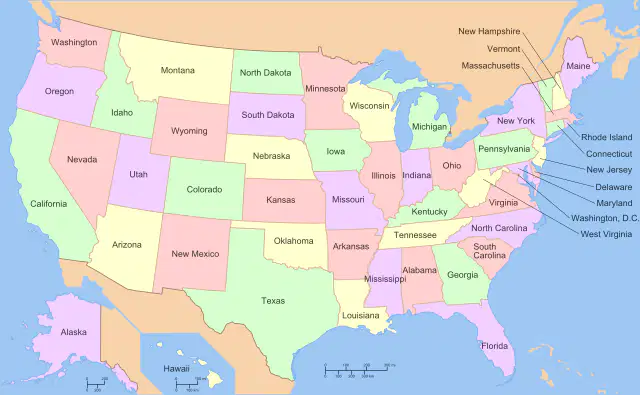
Initially, the United States wanted to give the ____ the most power.
schools
cities
central government
states

The central government did have the power to sign peace treaties with other countries.
True
False

The central government did not have the power to control trade with other countries.
True
False
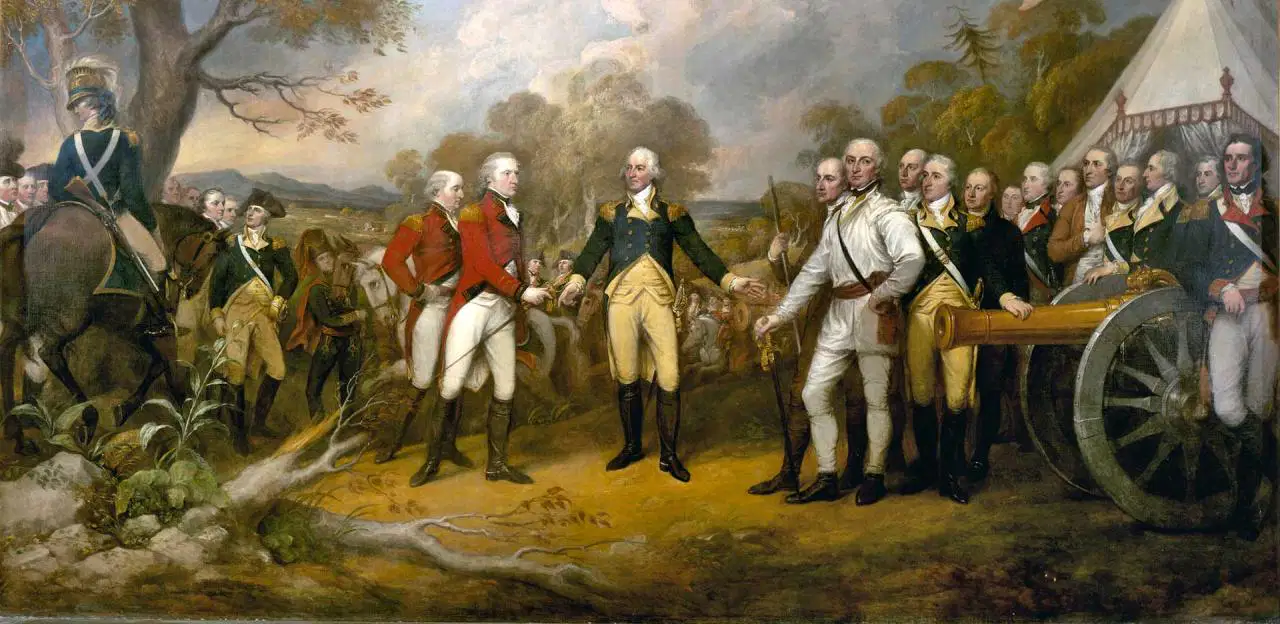
Under the AOC, the central government did have the power to declare war.
True
False

Under the AOC, the central government could NOT ask for soldiers to serve in the army.
True
False

Under the AOC, the central government could NOT tax the states.
True
False

Under the AOC, the central government had the power to settle disputes between states.
True
False

Under the AOC, the central government could NOT control trade bewteen the states.
True
False

Under the AOC, the central government could enforce and change laws.
True
False
In order to amend (change) the Articles of Confederation, all 13 states had to agree.
True
False


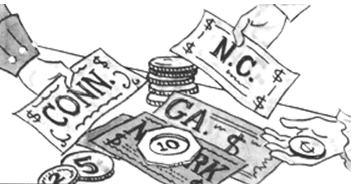
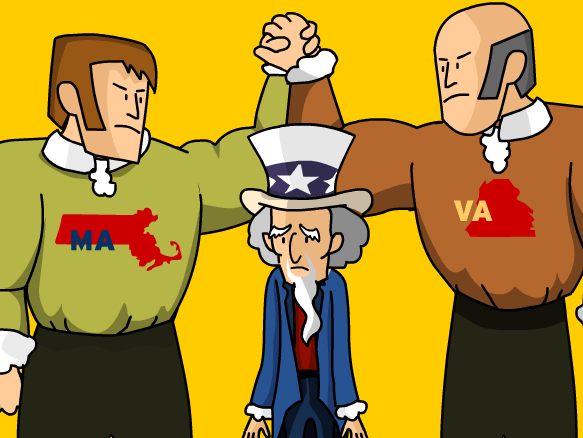
What was outlawed in the new territories by the Northwest Ordinance?
Slavery
Buying land
Selling goods
Fighting
Each state used the SAME money under the Articles of Confederation.
True
False

The Articles of Confederation was important because it –
created a means for establishing the executive branch
provided every citizen in America the right to vote
enabled each of the 13 states to make separate treaties with foreign nations
was the first form of government for America

The Articles of Confederation did not allow the federal government to levy taxes on citizens. This led to -
states taxing their citizens then giving all their funds to the federal government
the federal government seizing lands from Loyalist during the American Revolution to generate revenue
the federal government being unable to pay off its war debts
a protest by members of congress because of their lack of funding

According to the idea of Popular Sovereignty, who has the power?
The President of the United States
The Supreme Court
The Senate
The people

Who was Daniel Shays?
The President of the Proclamation of 1763
A farmer who loved his country and never did anything illegal
A founding father
A farmer who led a revolt in Massachusetts

What is a Constitution?
A former plan for government
A formal plan of government
A formal pair of shoes
A formal plan of action

The idea that a group of states would be held under a federal government?
Articles of Consideration
Declaration of Dependence
The US Constitution
Federalism

Because they did not want another overly powerful leader like King George, the colonists wanted a ______________ central government.
harsh
large
strong
weak
Who had the most power under the Articles?
The national government
The state governments

Why were laws difficult to enact (create)?
There was no set method for making laws
9 out of the 13 states had to approve of each law
2/3 of the people in the country had to vote to approve laws
Every single state had to approve of each law

The states included in this land ordinance made up the...
Northern Territory
Midwest Territory
Northwest Territory
Great Lakes Territory

What did the Northwest Ordinance say about slavery?
It banned slavery in the Northwest Territories
It banned the slave trade throughout the country
It declared slavery legal in the Northwest Territories
It didn't mention slavery

Why did farmers rebel and take over courthouses in Shay's Rebellion?
They were in debt and their farms were being taken
They wanted America to return to Great Britain's control
They were angry about tea taxes
They wanted to become judges
What was the outcome of Shay's Rebellion
It showed that the federal government needed to be stronger to defend and fund itself
It showed that the federal government needed to be weaker to keep the people happy
It led to the U.S. Civil War
It showed that the farmers should not have to pay taxes
Who was the governor of the Lost State of Franklin?
William Blount
John Sevier
John Donelson
Benjamin Franklin
Why was the state of Franklin called Franklin?
It was named Franklin after a friend of John Sevier's.
It was named to mean free land.
It was named in honor of Benjamin Franklin.
Which state did Tennessee and the State of Franklin used to be a part of?
South Carolina
North Carolina
Virginia
Kentucky
Another name for the Southwest Territory is:
Territory Southwest of the River Ohio
Territory South of the River Ohio
Territory North of the River Ohio
Territory Northwest of the River Ohio
Why did the people of Tennessee dislike being part of North Carolina after the American Revolution?
Most people in North Carolina had not supported the British, and most people in Tennessee had.
The North Carolina capital was too close, and the government was too involved in Tennesseans’ business.
The North Carolina capital was far away, and the government could not protect Tennesseans from American Indians.
Most people in North Carolina wanted the Tennesseans to pay more in taxes than they did.
Why did the state of Franklin fail?
The settlers disagreed over control of the government.
The settlers disagreed about whether or not John Sevier should be governor.
The settlers disagreed about what territory should be included in Franklin.
The settlers disagreed about state boundaries.
Why did North Carolina give up its western region?
To satisfy the demands of the Tennesseans
To get a better area of territory in exchange
To pay a debt to the United States
To protect the territory from American Indian attacks
Under which rules did the state of Franklin fail to qualify as a state?
The Constitution
The Declaration of Independence
The Articles of Confederation
How much population was needed in the territory in order to become a state?
77,000
65,000
70,000
60,000
After the population requirement was met, what was the next step in statehood?
Elect a govenor
Write a Constitution
Call for a constitutional convention
Create a state name
The State of Franklin was located in _________ Tennessee.
West
Middle
East
Northern

Why was Daniel Shays, a veteran and Massachusetts farmer, frustrated and angry?
He wanted to be recognized for service to his country.
Poor farmers were being taxed heavily by the central government
The government stole his livestock to feed troops
Poor farmers were being taxed heavily by the state government
When Massachusetts raised taxes, it affect which of the following group the most?
Native Americans
The British
Merchants, artisans, and creditors
Poor farmers
What happened as a result of Shays' Rebellion?
A national army was immediately created through a unanimous vote in Congress.
The Constitutional Convention meeting was called to discuss the weaknesses of the Articles of Confederation.
Massachusetts changed its laws so that farmers would not have their land seized.
Revolutionary War veterans were finally paid for their service.
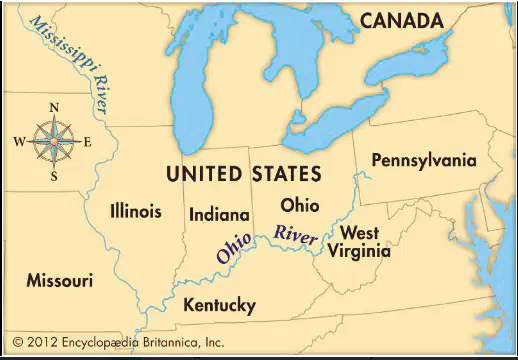
The Northwest Territory was located...
north and west of the Ohio River, including present day Ohio
south and east of the Louisiana Purchase
in the present day Northwest region, including the states of Oregon and Washington
in present day Canada

Which documents are in the correct chronological order?
Declaration of Independence, Northwest Ordinance, The Constitution
Northwest Ordinance, Declaration of Independence, The Constitution
The Constitution, Northwest Ordinance, Declaration of Independence
Declaration of Independence, Constitution, Northwest Ordinance

In what year was the NW Ordinance ratified?
1787
1482
1776
1864

What did the Northwest Ordinance say about slavery?
Slavery was outlawed
Slavery was never mentioned
Only white males could own slaves
Slaves were guaranteed the right to vote

What is an ordinance?
The leader of a monarchy
A rule, law or decree
A democratic vote
Another word for territory

Under what governing document was the Northwest Ordinance created?
The Declaration of Independence
The Articles of Confederation
The Ohio State Constitution
The United States Constitution
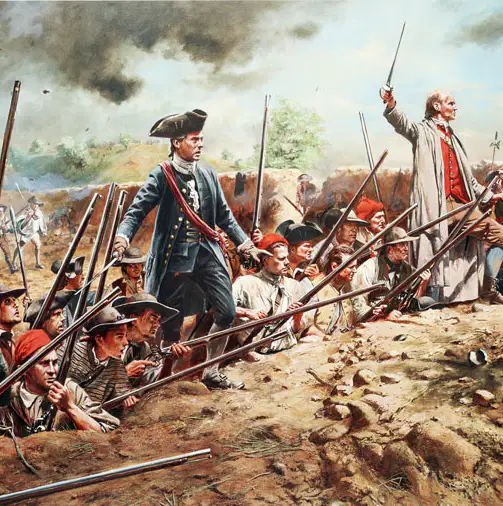
By winning what war did the U.S. gain the land from the Atlantic in the east to the Mississippi River in the West?
The Civil War
The Revolutionary War
The Spanish-American War
The War of 1812


One of the biggest problems facing the US after the Revolution was...
George Washington's retirement
The huge amount of debt the country had
The British dragging their feet to sign the Treaty of Paris
The number of people still loyal to the king

Why were farmers in Massachusetts so upset in 1786 and 1787?
The US was getting ready to go to war with France and they'd have to be soldiers again
The national government kept raising taxes on farmers to pay off the war debt
They were losing their farms because they could not afford the taxes on them
No one would buy their crops because they were over priced

In the fall of 1787, because of Shays' Rebellion, what did government leaders do?
They decided Massachusetts couldn't be a state anymore
They allowed all the states to become independent countries
They met in Philadelphia to fix the Articles of Confederation
They switched to a French model of government

The Northwest Ordinance was created in 1787 and included a plan for
growth of the United States
Manifest Destiny
The Declaration of Independence
The 13 Colonies

How did the state of Massachusetts plan on paying off its debt?
Raising taxes
Borrowing money from the French
Borrowing money from the Spanish
Having a Bake Sale

How did the Massachusetts government react when the farmers complained about the high taxes?
The government understood their concerns
The government worked with them to find a solution
The government ignored them
The government lowered their taxes
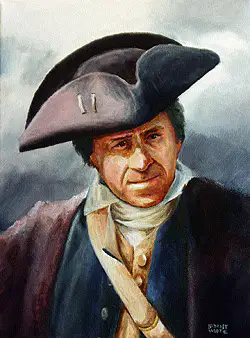
Who emerged as a leader of this farmer rebellion?
George Washington
Thomas Jefferson
Ben Franklin
Daniel Shays
What are the Articles of Confederation?
The name of the first system of government used by the United States
The name of the peace treaty between Great Britain and the United States
The name of one of the first newspapers in the United States
The name of the first Congressional meeting
Why did the authors of the Articles of Confederation create such a weak national government?
They did not understand how to create a strong national government.
They wanted to avoid creating a dictatorship where states were told what to do by a larger national power.
They wanted to make it easier for citizens to rebel when they were upset at the government.
All of the above.
What were some of the weaknesses of the Articles of Confederation government? Select all that apply:
No chief executive (president)
All laws had to be passed by a basic majority vote
No national court system
No Congress
What weakness of the Articles of Confederation contributed to Shays' Rebellion? Select all that apply:
The U.S. couldn't tax citizens.
There was no national currency.
There was no president.
There was no national army.
Why were many farmers poor and in debt in Massachusetts?
They lost money trying to convert their currency between states.
They were not paid for their service as soldiers in the Revolutionary War.
They had to pay too much money in national taxes.
They had large medical bills to pay after the Revolutionary War.
What did Massachusetts courts do when farmers could not pay their debts in gold or silver?
They forced the farmers to become soldiers.
They made the farmers into slaves.
They sentenced the farmers to death.
They seized and sold farmers' land, livestock, and crops.
How many farmers were involved in Shays' Rebellion?
100,000
1,500
2,000
10,000
What did the army of farmers do during Shays' Rebellion?
They threw British tea into Boston Harbor.
They stopped judges from ruling on cases where farmers' property might be taken.
They freed inmates from debtors' prison.
They tarred and feathered tax collectors.
How long did Shays' Rebellion last?
One year
A year and a half
Two years
Six months
What happened as a result of Shays' Rebellion?
A national army was immediately created through a unanimous vote in Congress.
The Constitutional Convention meeting was called to discuss the weaknesses of the Articles of Confederation.
Massachusetts changed its laws so that farmers would not have their land seized.
Revolutionary War veterans were finally paid for their service.

