
 Worksheets
NATCEP Module 2 Sect 1 Review
Total questions: 20
Worksheet time: 10mins
What are ADL's? (choose all that apply)
bathing
dressing
paying bills
ambulating
Good body mechanics:
help prevent injury
gives you a raise
not important
only if you are a nurse
Making wise food choices, keeping clean, exercising, and getting enough ______ are still keys to good physical health.
technology
socializing
sleep
therapy
Proper body alignment; (choose all that apply)
relieves stress
improves circulation
prevents pressure sores
decrease contractures
When moving or lifting a resident in bed, we want to
prevent sheering
make them dependent
do it alone
prevent dehydration
When you are asked to ambulate a resident, you ______ them.
walk
turn
squeeze
remind
The most common types of assistive devices for ambulation include; (choose all that apply)
cane
walker
gait belt
non slip shoes
When ambulating a resident, they should hold their cane
on the weak side
on the strong side
with both hands
with gait belt
A resident who is bed bound should be repositioned at least
every 2 hours
every one hour
every 30 minutes
once a shift
To prevent injuries for both you and the resident, its necessary to understand the safest and most effective way to lift or reposition each resident according to their ______ .
care plan
body type
direct orders
ambulation aid
When a patient is lying on their back, they are in _______ position.
prone
supine
back
lateral

What position is this resident in?
prone
supine
back
fowlers

This resident is facing?
posterior
anterior
lateral
anatomical

This would be a residents ________ side.
posterior
lateral
supine
transverse
How many pillows do you need to reposition a resident on their side lying side?
3
4
5
2
Foot cradles and footboards help prevent
ambulation
foot drop
rash
shingles
When the residents head is up at 45 degrees while lying in bed, it's called
Fowlers
Sanders
High Folwlers
Prone
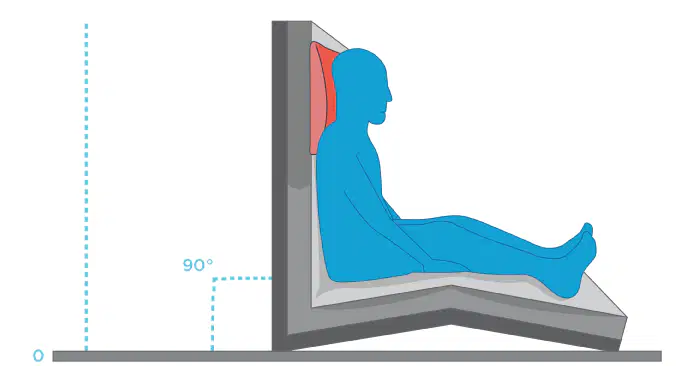
This position is called?
High Fowlers
Mid Fowlers
Uncomfortable
High Sanders
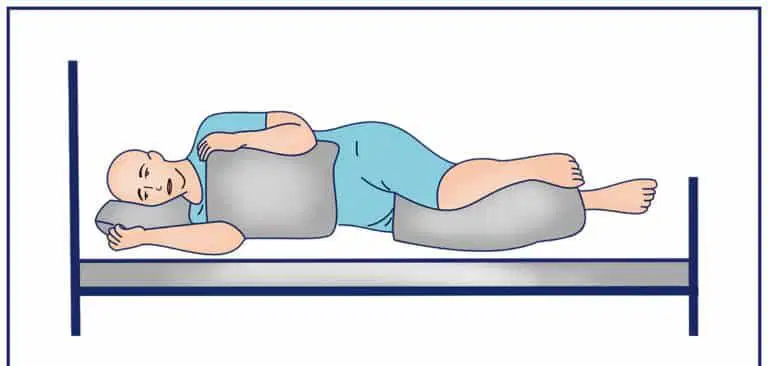
What position is this?
Lateral
Fowlers
Sanders
Prone
When caring for a resident with clostridium difficile
wash hands with soap and water
use hand sanitizer repeatedly
don't need PPE
use standard precautions

