
 Worksheets
LPN 150 Resp. Pre-Course Assessment
Total questions: 15
Worksheet time: 10mins
What is the term for decreased oxygenation in the blood?
hypoxia
dyspnea
hypoxemia
pallor
Which action would the nurse take immediately when a postoperative client has a tracheostomy in place and suddenly develops noisy, increased respirations and an elevated heart rate?
Suction the tracheostomy.
Change the tracheostomy tube.
Readjust the tracheostmy tube, and tighten the ties.
Perform a complete respiratory assessment
Which position would the nurse encourage a client with chronic obstructive pulmonary disease to take to enhance respiratory function?
Sitting in bed in low Fowler position.
Up in recliner, recliner slightly titled back.
On edge of bed, leaning forward, arms folded and elevated.
Supine with the head of the bed elevated and the foot of the bed down.
The nurse recalls that a paracentesis is performed for which reason? Select all that apply. One, some, or all responses may be correct.
To extract peritoneal fluid.
To improve respiratory status.
To decrease intrapleural fluid.
To increase intra abdominal pressure.
To obtain peritoneal fluid for culture.
The nurse is caring for a client with a chest tube that is draining by gravity and notices bubbling in the chamber. What is the nurses best action?
Document the findings.
Encourage the patient to take deep breaths
Check for air leaks
Change the chest tube chamber.
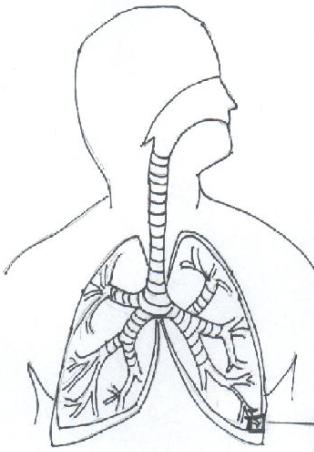
What is the function of the bronchi?
Transport air from nose to lungs
Transport air from trachea to lungs
Transport air from lungs to alveoli
Transport air from alveoli to blood
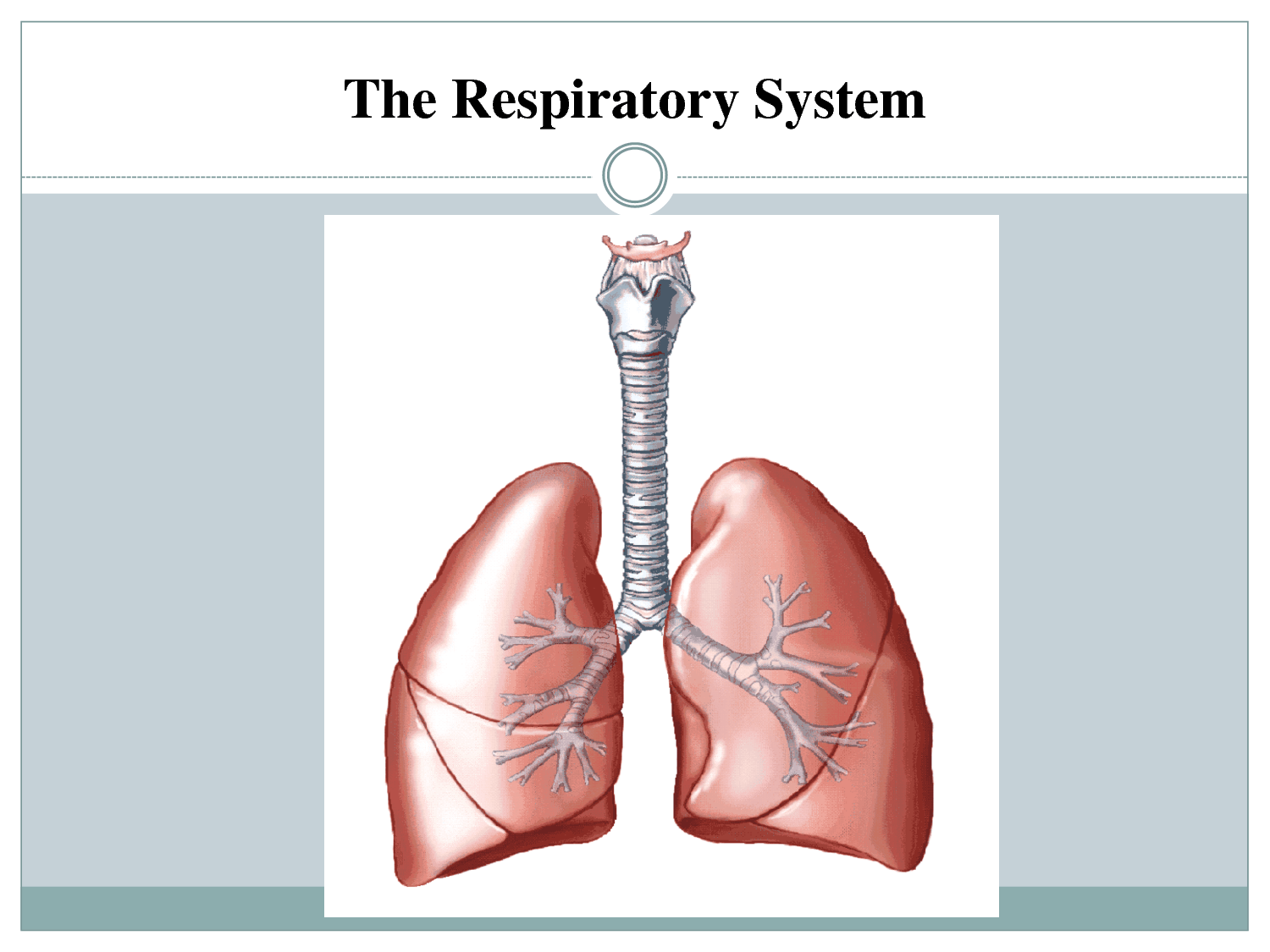
What should the suction settings be set at for suctioning of a trach?
80-100 mm Hg
80-120 mm Hg
120-160mm Hg
160-200 mm Hg
Using a pulse oximeter what is the definition of hypoxemia (in a healthy adult)?
88%
92%
94%
96%
Which of the body produces thick and sticky mucus that can clog the lungs and obstruct the pancreas?
Cystic Fibrosis
Sarcoidosis
Pleural Effusion
Pneumothorax
Which of the following signs and symptoms is characteristic of early-stage COPD
Nightime cough
Fatigue
Ankle Swelling
Chronic cough
A fall risk patient states, “I feel like I have stuff to cough up, but it just won’t come out.” The nurse will assist in mobilizing the secretions by:
Utilizing the Incentive Spirometer
Limiting the patient’s fluid intake to prevent aspiration
Allow the patient to get up and move as much as they want
Providing chest physiotherapy
What is the name of the tissue that closes off the windpipe when you swollen so you do not choke?
epiglottis
esophagus
ileum
bronchi
Common early symptoms of hypoxia at high altitudes include:
difficulty with normal levels of physical activity
fatigue
difficulty in thinking clearly
all the other answers

