
Font size
 Worksheets
SA2 Integrated Science Revision Quiz
Total questions: 61
Worksheet time: 1hrs 20mins
Choose which one is a physical property
Flammability
Solubility
Water Reaction
Magic
The melting point of a substance is the temperature at which the substance changes from a solid to
Gas
Liquid
Solid
Plasma
Choose the one that is a chemical property
Magnetism
Size
Color
Reactivity with water
Flammability is the ability of a substance to _________
Burn
Transfer heat
Transfer electricity
Cook
The characteristics of a substance depends on its size.
True
False
If you describe a substance as being corrosive, you have given a __________ property of that substance
Chemical
Large
Physical
Thermal
Electrical conductivity is an example of what kind of property?
Chemical
Large
Physical
Boiling
Choose the 3 that are physical properties of aluminum foil
Malleable
Luster
Oxidation
High melting point
What effect does observing the physical properties of a substance have on the substance?
Measuring physical properties changes the chemical identity of the substance
Observing physical properties has no effect on the substance
It makes to substance develop a deep seeded distrust of humans
The substance will undergo an exothermic reaction
Which of the following statements is accurate?
After observing a chemical property, the substance remains the same as before
All metals have the same physical properties
When you see water turn into steam, you have observed a chemical property
A physical property can change without causing a change in the chemical identity of the substance
What is the outcome of observing a chemical property?
Nothing
A new substance is formed with different properties
NaCl
A rise in thermal conductivity
Describe the physical and chemical properties of an emergency raft that will take you to safety
Reacts with exposure to water
Less dense than water (floats)
Corrosive
Solid at room temperature
If you had two different substances that looked exactly the same, which properties would you use to tell them apart?
Sound
Size
Color
Density
Which of these statements best describes a chemical property of a substance?
It reacts with an acid to form water
The object has a blue color
The substance has a powdery texture
It has a density of 2.11 g/cm3
Choose whether the following is a physical or chemical property: Malleability
Physical
Chemical
Choose whether the following is a physical or chemical property: Reacts with oxygen
Physical
Chemical
Choose whether the following is a physical or chemical property: Magnetic
Physical
Chemical
Choose whether the following is a physical or chemical property: Non-flammable
Physical
Chemical
Choose whether the following is a physical or chemical property: Oxidation
Physical
Chemical
Which option best describes the difference between a physical and chemical property?
There is no difference between a physical and chemical properties?
Physical properties are usually room temperature but chemical properties are very hot
Observing a chemical property results in the creation of a new substance while observing a physical change does not change the substance
The difference between physical and chemical properties are the states of matter
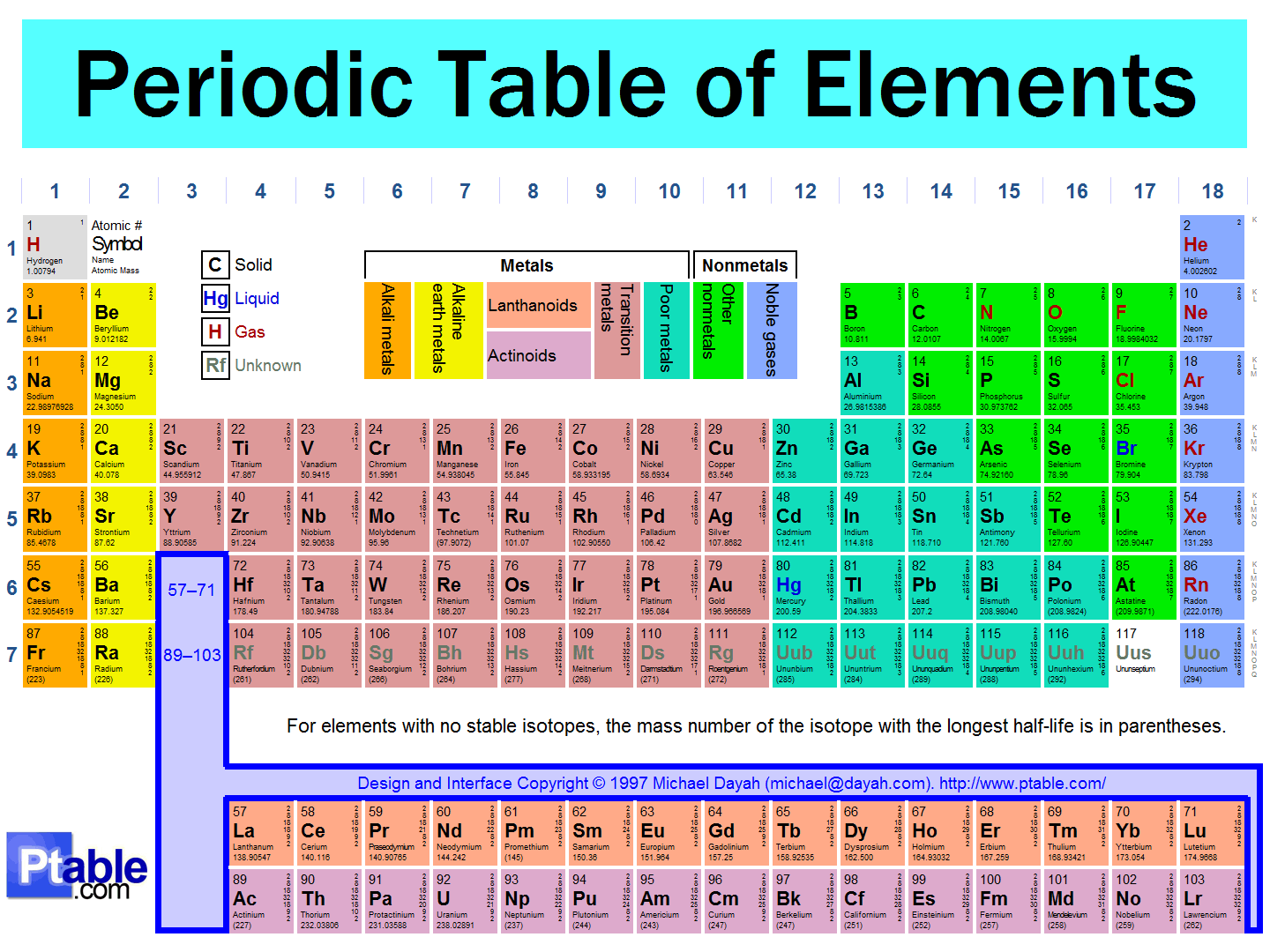
The vertical (up and down) columns in the Periodic Table are called
groups
towers
periods
atomic numbers
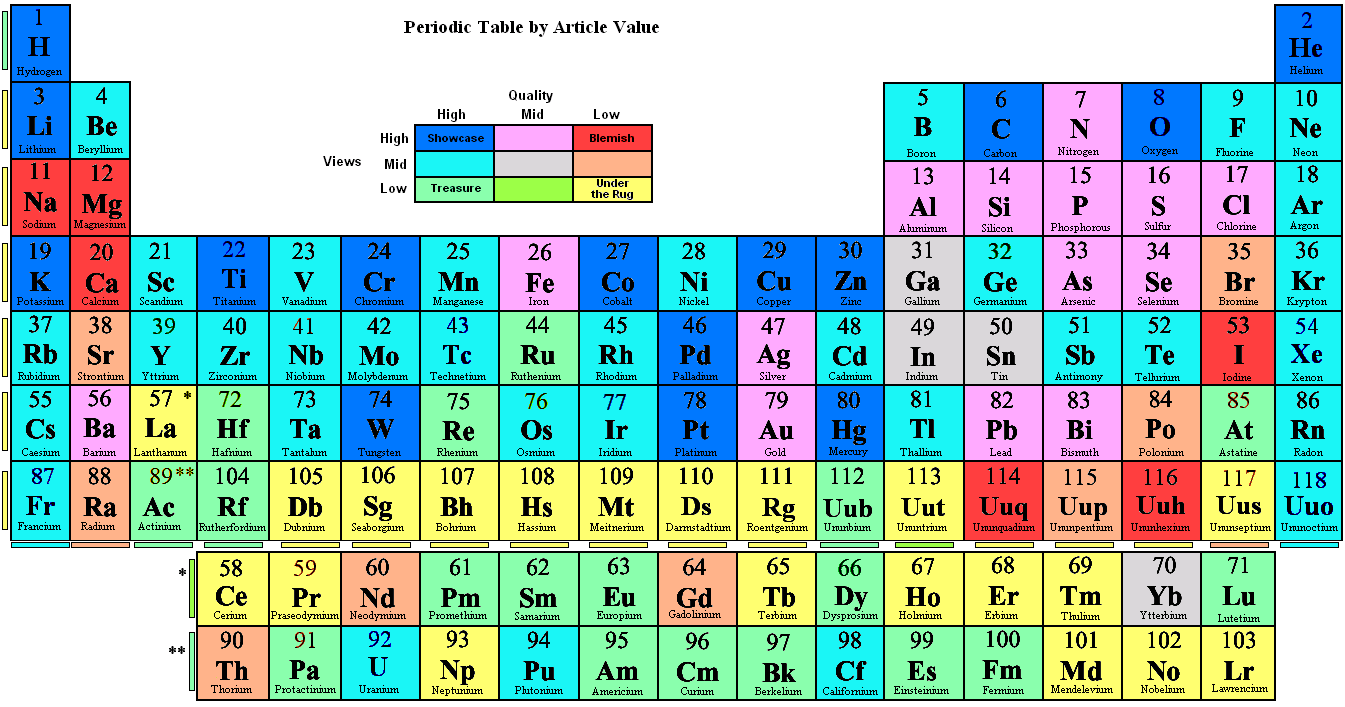
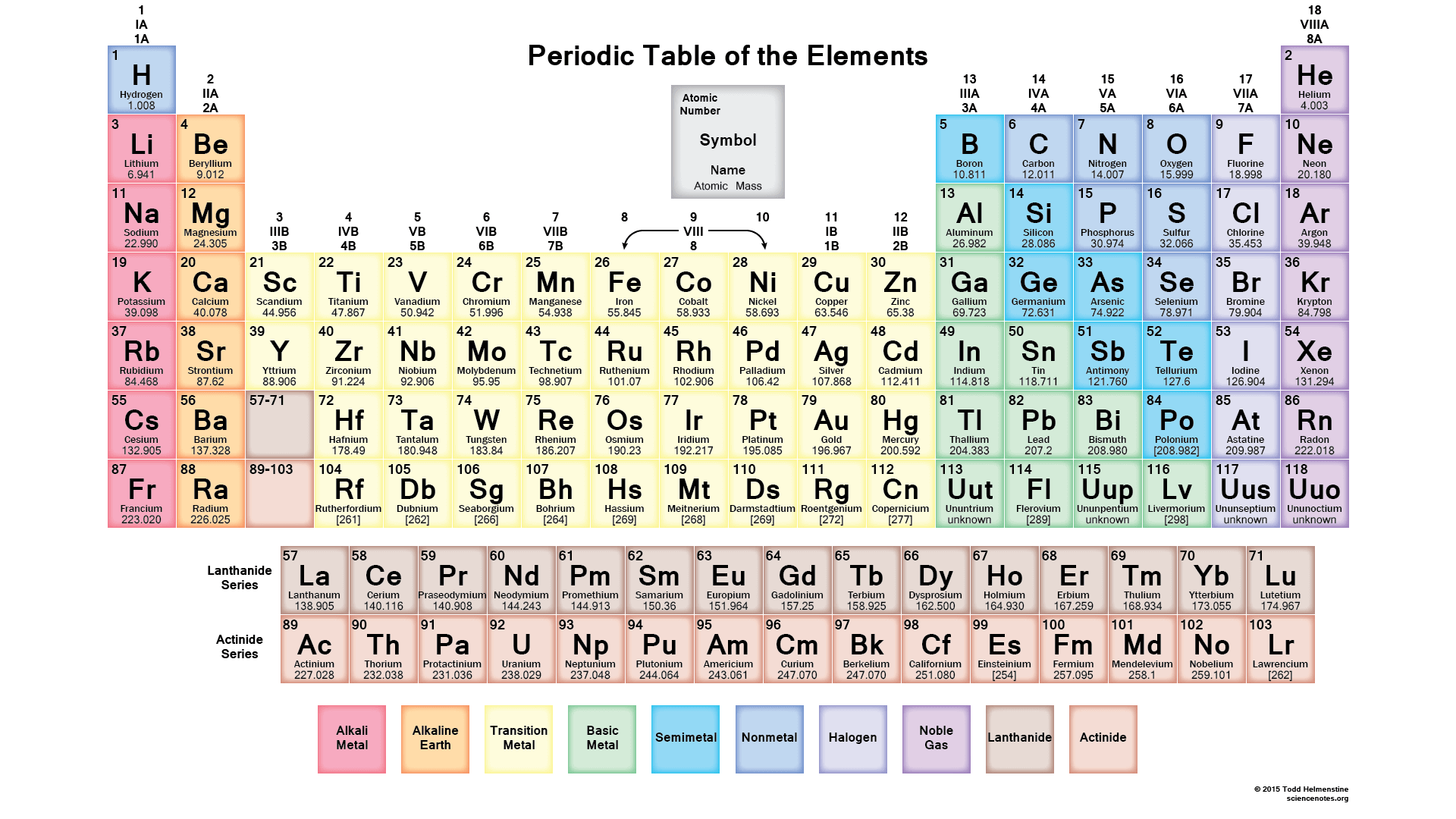
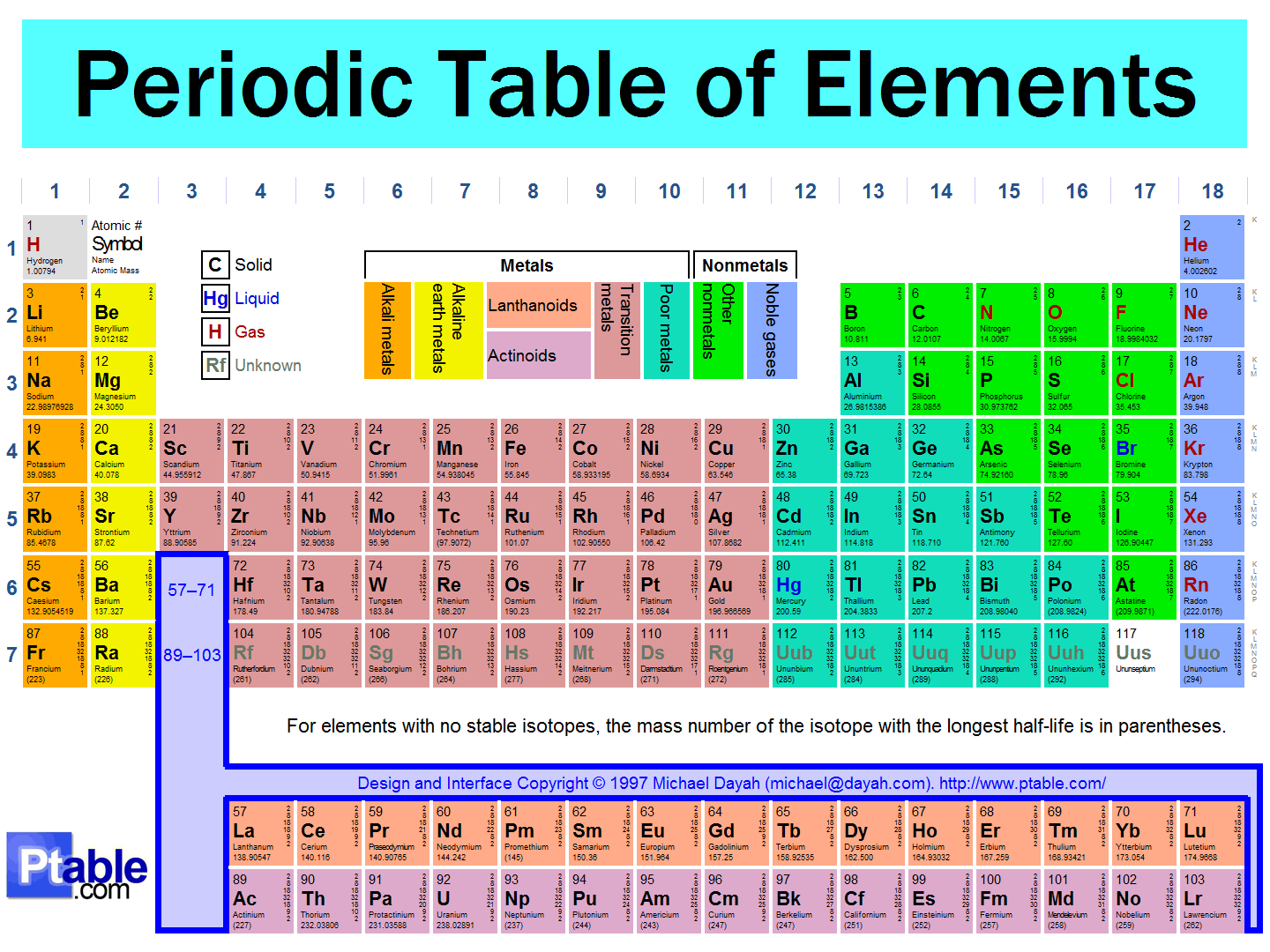
The horizontal (side to side) rows in the Periodic Table are called
groups
families
periods
atomic numbers
period
Elements that occur in vertical columns on the periodic table.
A horizontal row of elements in the periodic table
Found in group two of the periodic table; highly reactive
A subatomic particle that has a negative charge
neutron
A subatomic particle that has a positive charge and that is found in the nucleus of an atom
not able to conduct heat or electricity, little to no metallic luster
A subatomic particle that has a negative charge
A small particle in the nucleus of the atom, with no electrical charge
A subatomic particle that has a positive charge and that is found in the nucleus of an atom
Proton
elecrtron
groups
neutrons
A subatomic particle that has a negative charge
nobles gases
protons
electrons
neutrons
Which of the following elements will form a cation?
Arsenic
Copper
Bromine
Fluorine
Which of the following will form an anion?
Titanium
Iron
Calcium
Sulfur
Which of the following will form a cation?
Aluminum
Sulfur
Iodine
Nitrogen
Which of the following will form an anion?
Tin
Lead
Chlorine
Zinc
Which of the following will form a cation?
Barium
Phosphorous
Tellurium
Selenium
Which of the following elements will form an anion?
Calcium
Cobalt
Nickel
Iodine
Which of the following will form a cation?
Tellurium
Iodine
Nitrogen
Nickel
Which of the following will form an anion?
Oxygen
Cobalt
Strontium
Cesium
How does oxygen become an oxide ion?
it loses 2 electrons
it gains 2 electrons
it shares electrons
it releases energy
What part of the atom does bonding involve?
protons
neutrons
all electrons
valence electrons
How many valence electrons do MOST atoms need to be stable?
2
8
electrons equal to number of protons
electrons equal to number of neutrons
Aluminum will react spontaneously with oxygen in the air to form aluminum oxide. Write the formula for the compound that is produced in this reaction.
AlO
Al2O3
O3Al2
Al6O3
In order to have a stable arrangement of 8 valence electrons, metal atoms are likely to _________electrons.
gain electrons.
lose electrons
gain protons
lose protons

Select all that apply: which of the following are characteristics of metals?
malleable and ductile
brittle
good conductor
poor conductor (insulator)
high luster (lustrous)

Select all that apply: which of the following are characteristics of nonmetals?
mostly brittle solids or gasses
malleable and ductile
poor conductors (insulators)
dull (no luster)
This material has high luster, is malleable, ductile, and conducts heat and electricity very well. What should this be classified as?
Metal
Nonmetal
Metalloid

This picture illustrates copper's
brittleness
malleability
ductility

