
 Worksheets
CVD Review
Total questions: 31
Worksheet time: 50mins
A condition that causes progressive damage to artery walls due to excessive pressure exerted on them is...
Angina
Hypertension
Cholesterol
Myocardial infarction
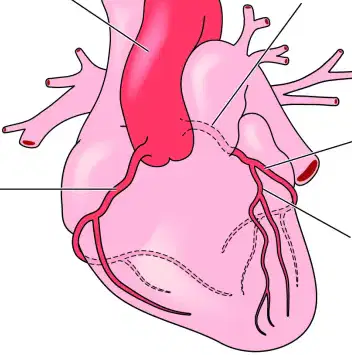
Of the following terms, which one BEST corresponds with what is being shown in the diagram?
Atherosclerosis
Angina
Coronary arteries
TIA
When permanent damage to cardiac tissue due to lack of blood flow occurs, a ___________________________has occurred.
Stroke
TIA
Hypertension
Heart attack
What is the term for chest pain that results from reduced blood flow to the heart?
TIA
Angina
Cardiac arrest
Heart attack
When a person's heart stops beating properly, and can't pump blood properly, what condition occurs?
Stroke
Hypertension
TIA
None of these
Fatty deposits causing narrowing & hardening of arteries is called...
Stroke
Heart attack
Cardiac arrest
Atherosclerosis
Choose the 2 items below that describe "coronary arteries:"
Deliver oxygen-rich blood to the heart
A blockage in them would cause a stroke
Take oxygen poor blood away from the heart
A blockage in them would cause a myocardial infarction
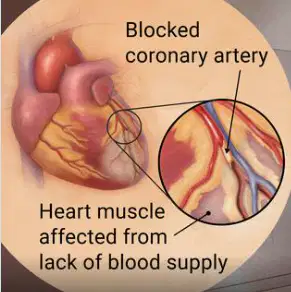
Choose the term below that BEST describes what this picture is showing:
TIA
Stroke
Cardiac arrest
Myocardial infarction
Temporary, stroke-like symptoms that pass on their own, but warn that a more serious incident could occur in the future are referred to as
Kidney failure
Myocardial infarction
Atherosclerosis
TIA
Lack of blood flow to a part of the brain, causing damage to that brain tissue:
Atherosclerosis
Stroke
MI
Cardiac arrest
What is the effect of high cholesterol on the cardiovascular system?
It decreases the risk of heart disease
It has no effect on the cardiovascular system
It increases the risk of atherosclerosis
It improves blood flow and reduces blood pressure
Which of the following is an uncontrollable risk factor for cardiovascular disease (CVD)?
Diabetes
Hypertension
Race
Vaping
Which is NOT a risk factor for CVD?
Vaping
Hypertension
Moderate alcohol consumption
Adequate exercise
Which of the following may or may not raise risk for CVD, depending on a person's approach to managing it?
High blood cholesterol
Stress
Alcohol consumption
High blood pressure
Choose the TWO true statements:
Most teens with mental health conditions get prompt treatment for it very soon after symptoms set in
Anxiety and depression are common conditions among teens
At least 1 in 5 teens has a diagnosable mental health condtion
Most mental health conditions do not begin until the later 20s
The stigma attached to mental illness makes it easier for people to get help for it.
TRUE
FALSE
Choose all of the appropriate ways to support someone who is struggling severely with mental health:
In a joking way, tell them to "suck it up" and remind them that things could be worse
Listen and show them empathy
Agree to tell no one if they swear you to secrecy
Tell your school counselor or other trusted adult about your concerns
Remind the person about the 988 hotline and other resources that provide support
Which of the following are NOT a common warning sign of a heart attack?
Pain, tingling, or numbness in one or both arms
Sudden burst of energy and increased strength
Nausea, possibly vomiting, and shortness of breath
Pain in the jaw, neck, and/or shoulders
Which of the following is a common warning sign for a stroke?
Loss of balance and arm/leg weakness
Slurred or confused speech and blurred vision
One side of the face looking different from the other
All of these.
Choose the symptom that is NOT an early warning sign for diabetes:
Decreased urination
Excessive hunger
Fatigue
Excessive thirst
For someone who is not born with diabetes, how can risk of developing it be reduced?
It can't--nothing can be done to reduce risk
Weight control
Eating excess sugar to raise energy levels
Moderate alcohol use reduces risk
Which of the following is an effect of smoking/vaping on the cardiovascular system?
A rapid, dangerous drop in blood pressure
High blood oxygen levels
Widening of blood vessel diameter
Increased platelet action within the bloodstream
Which TWO of the following are physical activity recommendations for 15-16 year old people?
2 hours per week at vigorous intensity
One hour or more per day, some of which should be vigorous a few times per week
10 minutes per day at moderate intensity
Exercise must be sustained for a full hour per day in order to benefit the heart.
Short bursts of activity can add up to count toward total needed per day
Choose all of the foods below that contain cholesterol:
Nuts and grain products
All types of meat and eggs
Leafy greens and citrus fruits
Cheese and animal-based milks
Choose all of the true statements:
LDL is considered "good"cholesterol
High-density lipoproteins are the main type that build up on artery walls.
LDLs are the main type that build up on artery walls
Cholesterol build-up has been found in arteries of children and teens
Smoking raised HDL levels
Whole milk has more fat and cholesterol in it than 1% or skim.
TRUE
FALSE
Choose all of the following that negatively affect blood cholesterol and artery health:
Vaping or smoking
Exercise
Fried food
Whole grains
Foods high in added sugar
What is the first step in emergency first aid for cardiac arrest?
Giving rescue breaths immediately
Giving chest compressions immediately
Checking for breathing and pulse in the victim
Checking to make sure that it's safe to help the victim
If a person who is eating begins coughing so hard that they can't speak clearly, what would be the best thing to do?
Begin abdominal thrusts right away
Give five back blows immediately
Stand by but do nothing as long as they can still cough
None of these things is advisable in this situation.
A 6-month old infant is conscious but choking on a toy he shoved in his mouth. The scene is safe for you to help him. Given the following choices, what is the proper first step to take in this situation?
Stand him up and do the Heimlich Maneuver
Check his pulse, then lay him down immediately and begin CPR.
Hold him face down and give him 5 back blows, but begin CPR if he goes unconscious.
Do nothing until he passes out, then do back blows
Choose all of the things below that negatively affect blood cholesterol levels:
Shortening (solid vegetable oils)
Antioxidants and whole grains
Lack of exercise
Alcohol
High amounts of sugar

