
 Worksheets
ENLIGHTENMENT THINKERS
Total questions: 47
Worksheet time: 33mins
What is the Enlightenment?
A period of scientific discoveries
A movement that applied scientific principles to society and government
A religious revolution
A political uprising
What inspired Enlightenment thinkers?
Monarchies
The Renaissance and Reformation
Science and its goal of understanding the laws of nature
Religious beliefs
Who believed that people are inherently selfish and that governments are created to make decisions for society?
John Locke
Baron de Montesquieu
Adam Smith
Thomas Hobbes
Who argued that the basis of government was a social contract and that people have the right to overthrow a government that fails to protect their natural rights?
Baron de Montesquieu
Adam Smith
John Locke
Thomas Hobbes
Who argued for a three-part system of government with a separation of powers?
Baron de Montesquieu
Adam Smith
John Locke
Thomas Hobbes
Who believed that people are corrupted by society and argued for a political system based on the will of the people?
Thomas Hobbes
Adam Smith
John Locke
Jean-Jacques Rousseau
During which years was the Enlightenment occurring in the world?
1701 - 1788
1776 - 1865
1715 - 1789
1987 - 2017
The power of the human mind to think and understand in a logical way
reason
philosophies
natural rights
contract
A right, such as life and liberty, that a person is born wth
divine right
philosophes
natural rights
contract
An agreement between rulers and the people to cooperate for mutual social benefits in pursuit of a better society
divine right
free enterprise
laissez-faire
social contract
Separation of Powers
Separating the ruler from the military.
Dividing powers equally among organizations
Dividing powers equally among three people
Dividing powers equally among three branches of government.
A person(s) who had unlimited authority and almost no legal limit.
A Monk
Absolute Monarch
A Philosophe
A Salon Manager
Enlightenment thinker who viewed humanity in a negative way and believed people were naturally wicked.
John Locke
Mary Wollstonecraft
Thomas Hobbes
Enlightenment thinker who believed in the natural rights of "Life, Liberty, and the right to Property".
Montesquieu
John Locke
Rousseau
Thomas Jefferson was greatly influenced by "John Locke" and took his ideas to write the ____.
Song "America's Most Wanted"
The Eagle Code
The Declaration of Independence
The Magna Carta

WHAT IS THOMAS HOBBES KNOWN FOR?
MAGNA CARTA
MAYFLOWER COMPACT
SOCIAL CONTRACT
NONE OF THESE

WHAT IS "STATE OF NATURE"?
EVERYONE HAS A RIGHT TO EVERYTHING. PEOPLE ARE ALWAYS AT WAR WITH EACH OTHER.
AN AGREEMENT BETWEEN THE PEOPLE AND GOVERNMENT FOR PROTECTION OF RIGHTS.
NATURAL RIGHTS YOU ARE BORN WITH.
ALL OF THESE

WHAT ARE THE NATURAL RIGHTS JOHN LOCKE SAID ALL PEOPLE ARE BORN WITH?
(CHOOSE ALL THAT APPLY)
LIFE
LIBERTY
WEALTH
PROPERTY

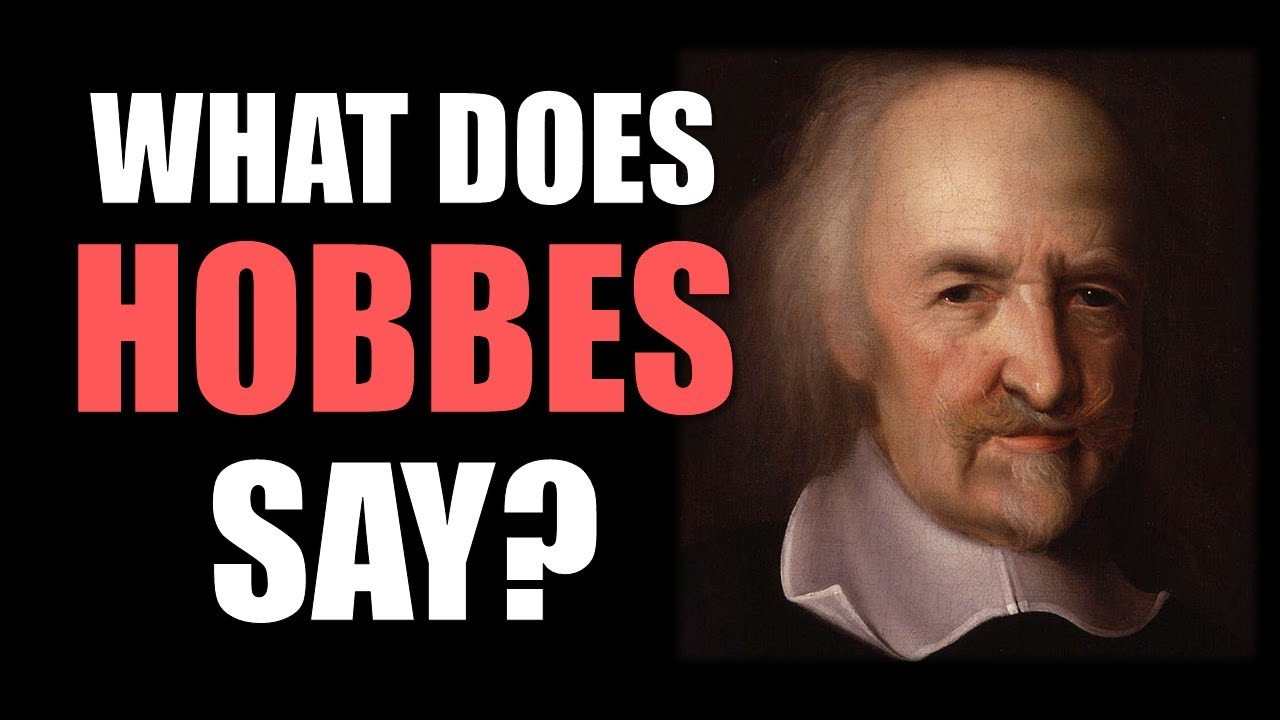
How did Hobbes view human nature?
We are inquisitive and industrious.
We are naturally selfish and quick to fight.
We are naturally ignorant
We are naturally kind and helpful to others
The rights of life, liberty, and property are called:
Unalienable Rights
Essential Rights
Natural Rights
Original Rights


Why did Thomas Hobbes believe humans needed government?
Humans needed government to protect their natural rights of life, liberty, and property.
Humans needed government to keep politics and religion separated.
Humans needed government because they were naturally primitive and violent.
Humans needed government, so they could rule.

Which one of the following is NOT one of John Locke’s ideas?
The people were sovereign and possessed the right to self-government.
The people were naturally primitive and violent, so they needed government control.
The people gave their consent to government to protect their natural rights.
People's natural rights included life, liberty, and property.

According to Montesquieu, what was the best form of government?
The best government shielded humans from their own primitive and violent nature.
The best government protected the natural rights of life, liberty, and property.
The best government separated powers into three branches: legislative, executive, and judicial.

What were Jean Jacques Rousseau’s ideas about government?
Rousseau wrote government was a social contract between the rulers and the people.
Rousseau stressed equality for all people.
Both of these answers are correct.

In the Spirit of the Laws, Baron de Montesquieu argued
that the government that governs least governs best.
in favor of the separation of the powers government into three branchs: executive, legislative and judicial.
that Christianity was responsible for the fall of the Roman Empire.

Jean-Jacques Rousseau
Social Contract
Absolutism
Three branches of government
Influenced by Hobbes

