
 Worksheets
CH2 Histology REVIEW
Total questions: 47
Worksheet time: 30mins
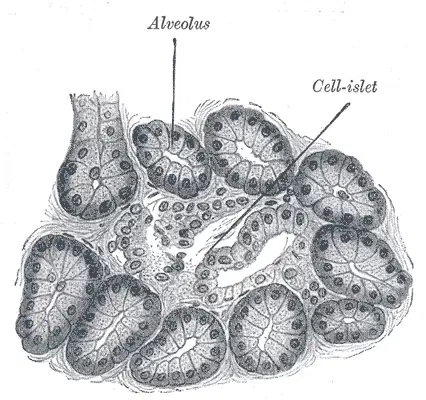
What shape does an alveolar gland have?
roughly spherical
cuboidal
cylindrical
triangular
What service do collagen fibers provide to tissues?
they give tensile strength
they provide elasticity
they aid in nutrient absorption
they facilitate cell division
The most common type of cartilage is _____.
hyaline
elastic
fibrocartilage
articular
Bone is also known as _____ tissue.
osseous
muscular
epithelial
nervous
Which type of tissue is responsible for transmitting impulses in the human body?
nerve tissue
muscle tissue
connective tissue
epithelial tissue
In which phase of wound healing do white blood cells migrate to the site of an injury?
inflammatory phase
proliferative phase
maturation phase
remodeling phase
Which of the following functions is not performed by epithelial tissue?
provide a rigid framework for the body
provide sensory information
determine which substances enter and leave the body
protect the body from physical damage
The (a) surface of an epithelial cell is the free surface exposed to the body’s exterior or the cavity/lumen of an organ, while the (b) surface attaches to the underlying connective tissue.
The hollow inside portion of a body cavity or tube is called the (a) .
lumen
cartilage
codon
alveolus
Blood is a type of connective tissue.

True

False
Collagen fibers are very elastic.

True

False
The fibers that provide a framework to keep cells in place are called (a) fibers.
hyaline
adipose
elastic
Which of the following is not a connective tissue?
cartilage
epithelia
blood
bone
Which of the following is not a form of loose connective tissue?
adipose tissue
areolar tissue
columnar tissue
reticular tissue
The three main types of cartilage are (a) , elastic, and fibrocartilage.
osseous
hyaline
choroidal
reticular
Because skeletal and cardiac muscles have “stripes” when viewed through a microscope, they are considered (a) muscle.
endoplasmic
smooth
nucleated
striated
Two types of cells that make up nerve tissue are (a) and neurons.
myocytes
transport cells
microfilaments
glial cells
Which of the following is not a phase of wound healing?
consolidation
inflammation
remodeling
proliferation
What are the two types of glands and how do they differ?
Endocrine and Exocrine. Endocrine glands secrete hormones into the bloodstream, while exocrine glands release substances through ducts.
Match the epithelial tissue with its shape:

stratified squamous
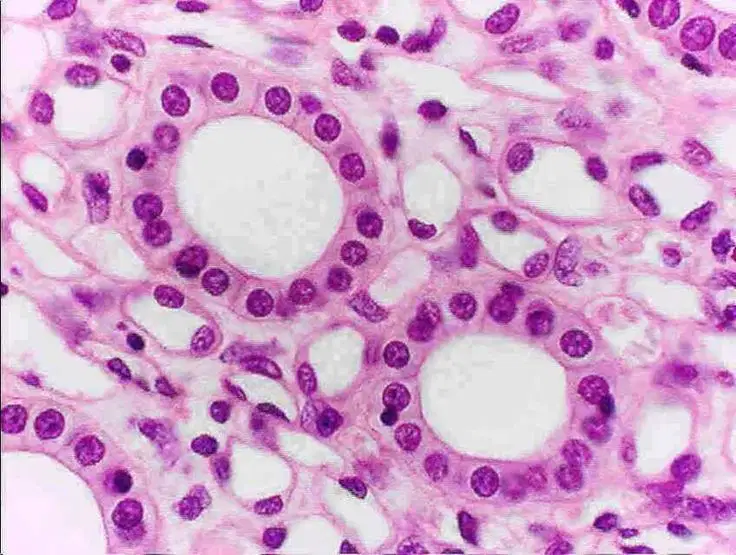
simple cuboidal
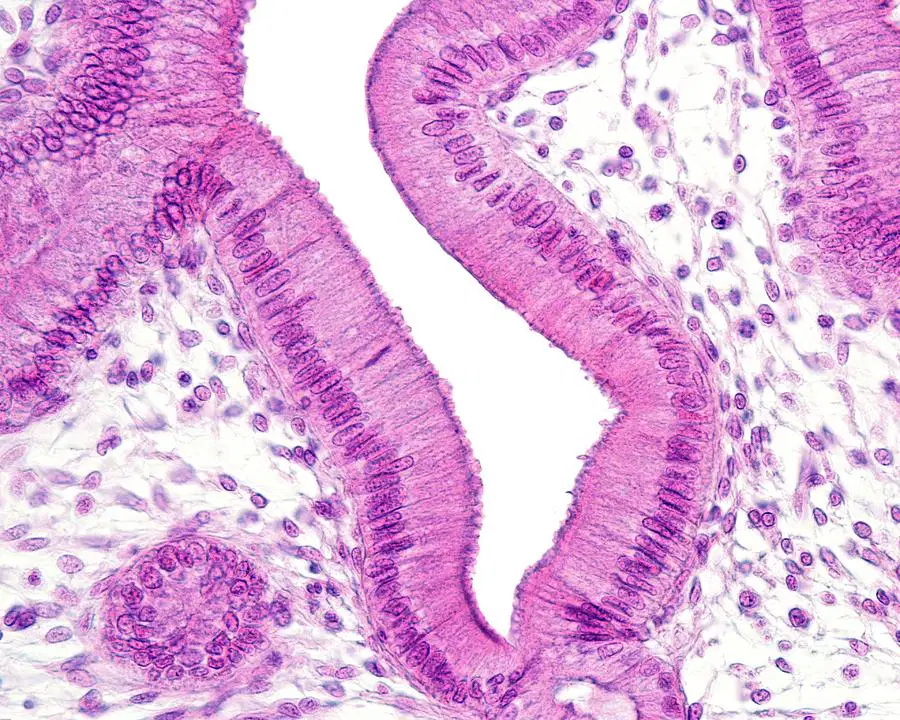
simple columnar

pseudostratified columnar
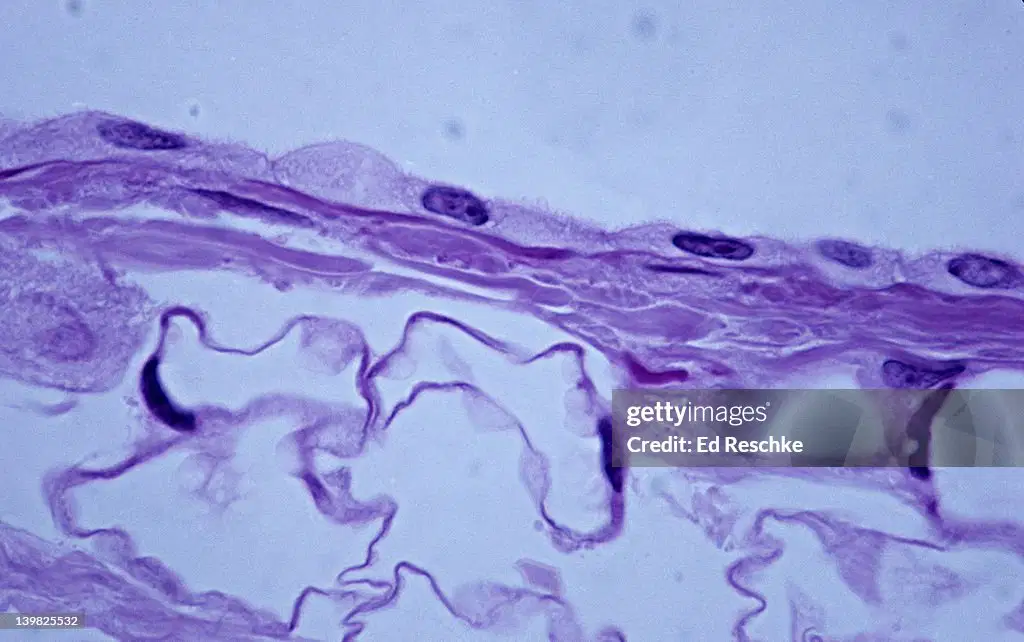
simple squamous
What is the function of chondroblasts?
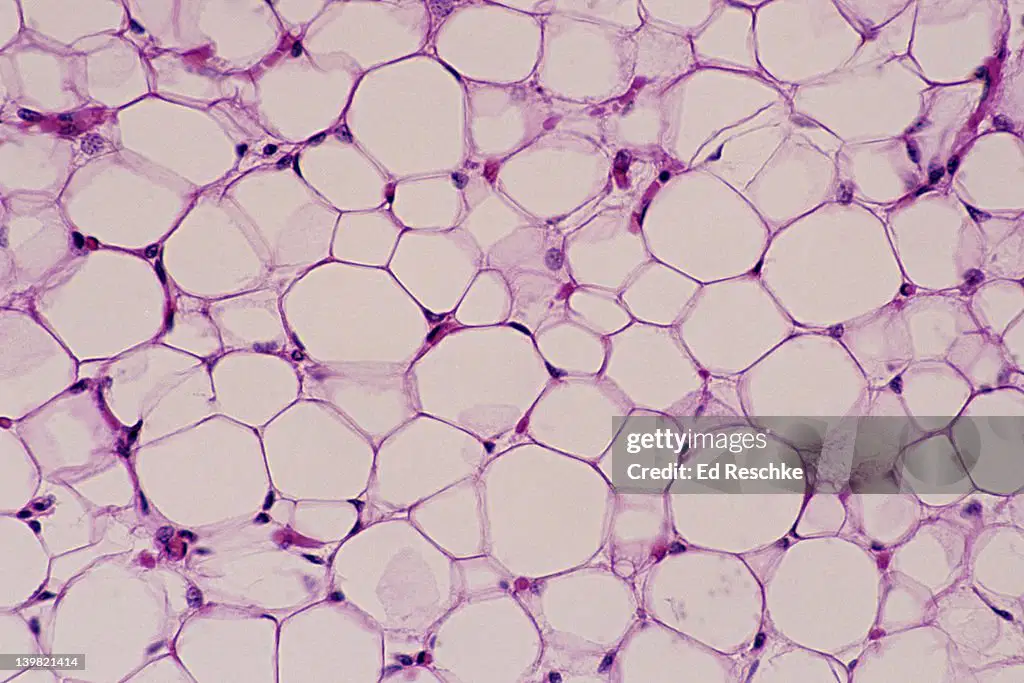
Which connective tissue provides insulation and cushioning?
Areolar tissue
Reticular tissue
Adipose tissue
Dense regular connective tissue
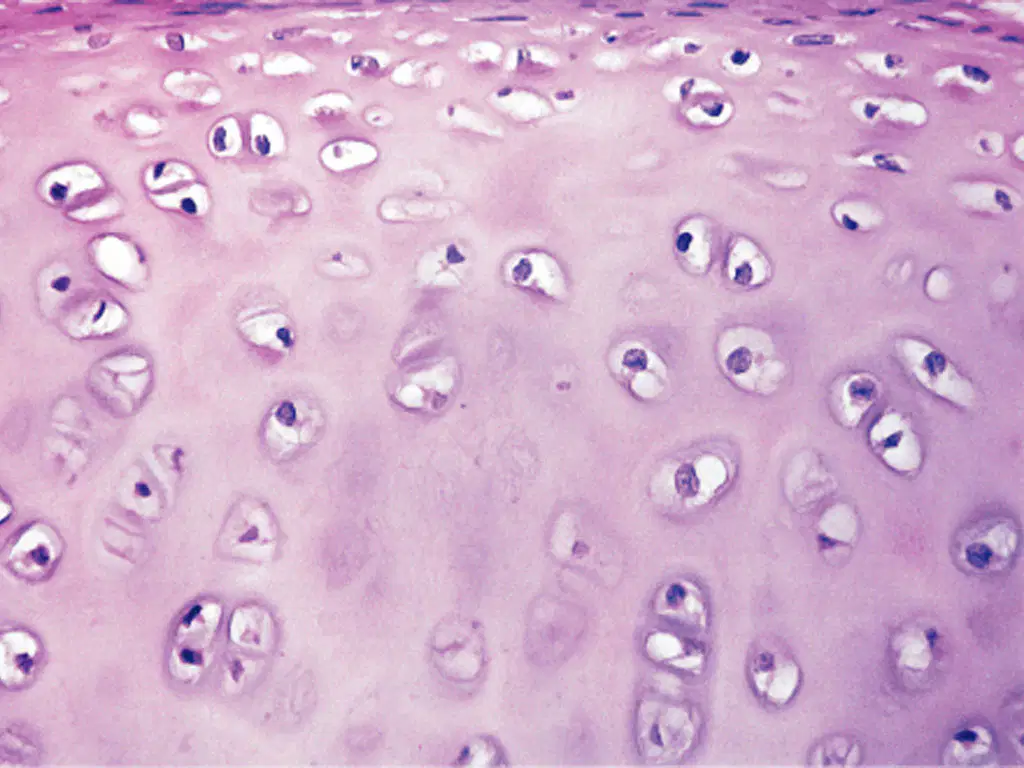
What type of cartilage is most common and found at the ends of long bones, ribs, and the nose?
Fibrocartilage
Elastic cartilage
Hyaline cartilage
Reticular cartilage
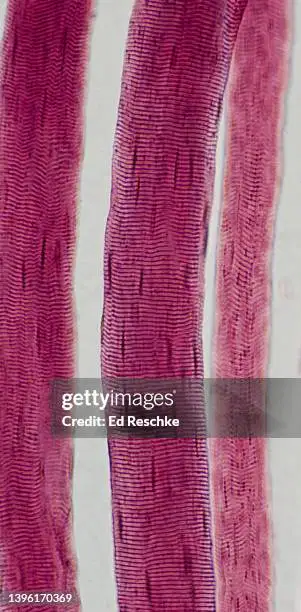
Which type of muscle tissue is voluntary and striated?
Smooth muscle
Skeletal muscle
Cardiac muscle
Dense muscle
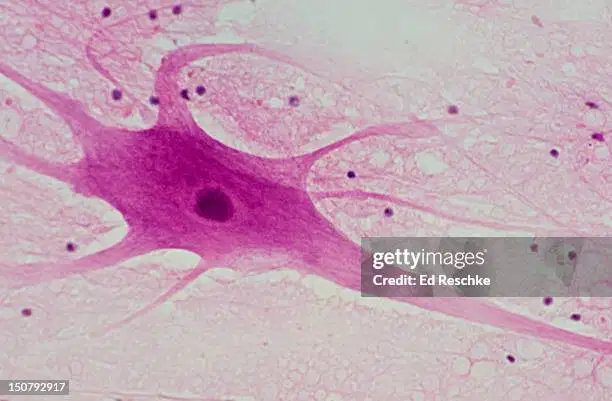
The functional cell of nervous tissue that generates and transmits electrical signals is the:
Glial cell
Neuron
Myocyte
Fibroblast

Which phase of wound healing involves platelet clumping and clot formation?
Proliferation
Hemostasis
Inflammation
Remodeling
Slide shows long, cylindrical, multinucleated cells with striations.

Smooth muscle

Skeletal muscle

Cardiac muscle

Nervous tissue
Slide shows striated cells with branching fibers and intercalated discs.
Smooth muscle
Skeletal muscle
Cardiac muscle
Nervous tissue
Slide shows small, dark, oval-shaped cells within lacunae and a glossy extracellular matrix.

Hyaline cartilage

Elastic cartilage

Fibrocartilage

Bone
Slide shows cells surrounded by a mineralized matrix with concentric lamellae.
Hyaline cartilage
Elastic cartilage
Fibrocartilage
Bone
Slide shows loosely arranged fibers with open spaces and immune cells.

Reticular connective tissue

Areolar connective tissue

Dense regular connective tissue

Elastic connective tissue
Match the definition with its term:
Tissue that consists almost entirely of adipocytes, or fat cells, with little extracellular matrix
adipose tissue
Supporting tissue, which consists mainly of an extracellular matrix
connective tissue
A class of tissue that includes epithelia and glands
epithelial tissue
A type of tissue that contains reticular fibers and is found in lymph nodes, bone marrow, and the spleen
reticular connective tissue
Connective tissue that has a gel-like extracellular matrix that holds water well and supports overlying epithelia
areolar connective tissue
Match the definition with its term:
A connective tissue that provides support and flexibility to parts of the skeleton
cartilage
The ability of a material to withstand compression (inward-pressing force) without buckling
compressive strength
The ability to withstand tension (outward pulling force) without tearing or breaking
tensile strength
The ability of a material to spring back to its original shape after being stretched
elasticity
The two types of protein that make up the intracellular filaments in muscle are (a) and (b) (order matters).
Reorder the 4 phases of would healing:
Hemostasis
Inflammation
Proliferation
Remodeling
What is the function of chondroblasts?
To break down damaged bone tissue.
To produce cartilage matrix.
To store fat for energy.
To transport oxygen in the blood.
Which wound healing phase is characterized by neutrophils arriving first followed by macrophages?
During which phase do fibroblasts rapidly multiply and produce collagen?
Scar tissue reaches about 80% of original skin strength by:
Which of the following is the final phase of wound healing where temporary collagen is replaced by stronger collagen?
During the proliferation phase, what structure forms to supply nutrients and oxygen to the healing tissue (aka angiogenesis)
(a)
In wound healing, what process do neutrophils and macrophages carry out to remove debris and bacteria (literally means pertains to eating cells)?
(a)
Which nervous system subdivision carries sensory signals from organs like the eyes and skin to the brain? (abbreviation)
(a)
Which connective tissue type is primarily responsible for forming tendons and ligaments?
Adipose tissue
Dense regular connective tissue
Areolar tissue
Elastic cartilage
What is the main function of osteoblasts in bone tissue?
To store calcium
To produce bone matrix
To generate electrical impulses
To break down bone matrix

This tissue is described as follows: fluid connective tissue; transports oxygen, nutrients, waste; and supports hemostasis
Which type of epithelial tissue is specialized for stretching, such as in the urinary bladder?
Simple squamous
Transitional
Stratified cuboidal
Pseudostratified columnar

