
 Worksheets
Cell Transport Quiz
Total questions: 34
Worksheet time: 25mins
Transport of molecules across the cell membrane from low to high with energy is called:
Passive Transport
Active Transport
Osmosis
Simple Diffusion
When the amount of water transported into the cell is equal to the amount of water transported out from the cell, the solution is called:
Osmotic
Hypotonic
Hypertonic
Active Transport
Isotonic
Cell membranes allow some things to pass through and others are blocked. This is why our cell membranes are described as:
Cellular Respiration
Impermeable
Osmosis
Semi-permeable
The process by which organisms maintain a stable internal environment is called:
Homeostasis
Hypotonic
Osmosis
Photosynthesis
Type of transport that does not require energy because it moves from a high to low concentration is called:
Passive Transport
Active Transport
Facilitated Diffusion
Osmosis
Movement of molecules across the cell membrane through protein channels is called:
Endocytosis
Facilitated Diffusion
Active Transport
Simple Diffusion
How is the cell membrane of a cell organized?
one layer of phospholipids, through which proteins freely move
one layer of phospholipids
two layers of phospholipids
three layers of phospholipids
A plant cell is hypotonic. What can happen to the plant cell?
It will swell and burst.
It will shrivel.
It will stay the same.
It will wilt.
Diffusion is the movement of particles from
an area of low concentration to an area of high concentration
an area of high concentration to an area of low concentration
an area of equilibrium to an area of high concentration
all of the above
The diffusion of water across a selectively permeable membrane is called
sodium-potassium pump
osmosis
facilitated diffusion
active transport
Exocytosis is a
type of passive transport
mechanism by which cells consume other cells
transport process
way for cells to release large molecules
What are two roles of lipids (fat)?
make up cell membrane and insulation
genetic material and DNA
pinocytosis and enzymes
make up the cell membrane and building muscle
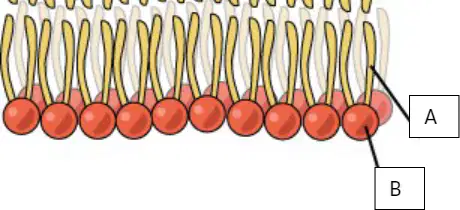
Describe what letter A is pointing at.
Hydrophilic head
Hydrophobic tail
Hydrophilic tail
Hydrophobic head

Describe what letter B is pointing at.
Hydrophilic head
Hydrophobic tail
Hydrophilic tail
Hydrophobic head
A plant cell is a hypertonic solution. What will happen to the plant cell?
It will swell.
It will shrink.
It will stay the same.
It will expand.
Which of the following are examples of active transport?
Diffusion of water moving in and out of the cell
Large molecules moving from low to high
Carbohydrates moving in and out of the cell
All of the above

If I wanted to draw an arrow to show active transport moving low to high, which direction would be correct for the picture above?
Up arrow, low to high
Down arrow, low to high
Right arrow, low to high
Left arrow, low to high

What does Active Transport need that passive does not?
How do I know always know which is facilitated diffusion?
Nutrients transport through protein channels.

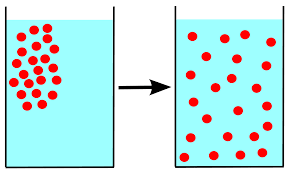
Which of the following most accurately shows diffusion?
A
B
C
D
What is the role of ATP in this process?
provide energy for diffusion of molecules
provides energy for active transport
allow oxygen for cell transport
all carbon dioxide for cell transport
If someone sprays perfume in one room, soon people in another room can smell it. Which of the following is this an example of?
photosynthesis
osmosis
diffusion
active transport
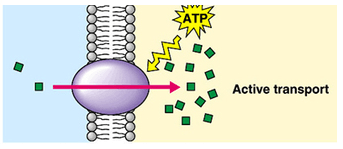

Which of the following is being shown?
sodium-potassium pump
diffusion
osmosis of NA
passive transport

Which way will the small molecules if no energy is used?
Out of the cell
Into the cell
They won't move at all

What type of transport is this?
Endocytosis
Diffusion
Exocytosis
Osmosis

Dracula is studying how certain substances move across the cell membrane without using energy. What type of cell transport is he observing?
diffusion
endocytosis
exocytosis
protein Pump

Is the image of a plant cell representing a hypertonic, hypotonic, or isotonic solution?
hypotonic

Which CELL is getting so large it could almost burst
Hypotonic
Hypertonic
Isotonic

What is the name of 'B' found on the structure below
Protein Channel
Lipid bilayer
Phosphate hydrophilic heads
Lipid hydrophobic heads
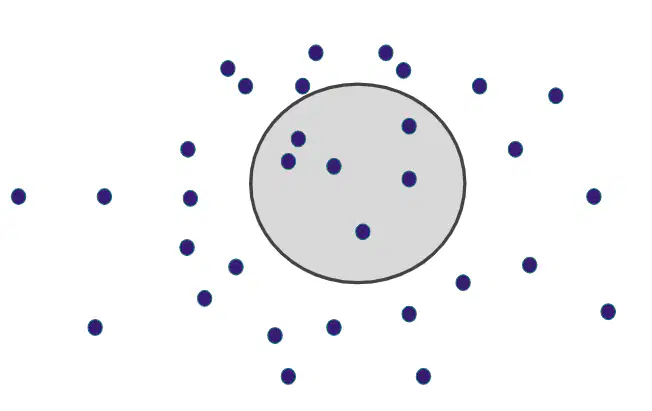
Study the image of an animal cell shown. Which direction will the particles travel to achieve homeostasis or equilibrium?
The particles will not travel in any direction.
The particles will travel from the inside of the cell to the outside of the cell.
The particles will travel from outside the cell to the inside of the cell.
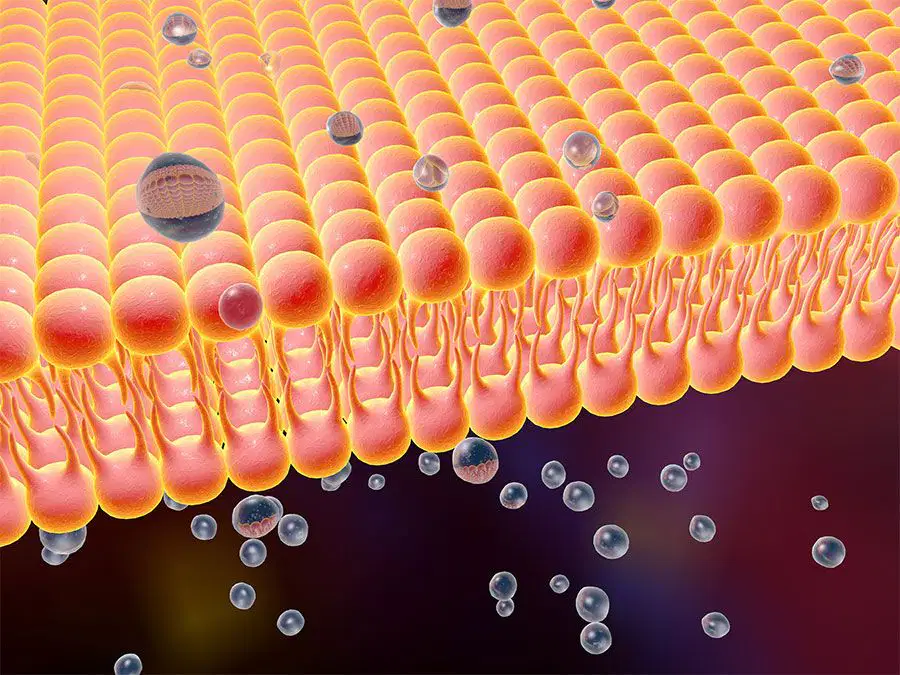
How does the cell membrane help a cell maintain homeostasis?
It regulates what enters and leaves the cell.
It is flexible.
It provides a protective barrier.
It provides structure and support.

