
 Worksheets
PS1 CSA Study Guide
Total questions: 50
Worksheet time: 56mins
_____ is the number of protons in the nucleus of an atom.
electron
Mass Number
Unified atomic mass number
Atomic Number
_____ is a subatomic particle that has a negative charge
Nucleus
electron
proton
photon
A particle that moves around the nucleus is a(n)...
Proton
Neutron
Electron
Quark
What subatomic particles would you find in the nucleus of an atom?
Protons only
Protons and Neutrons
Neutrons and Electrons
Protons and Electrons
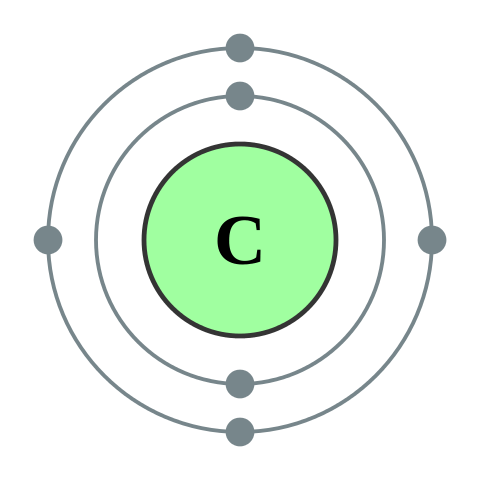
How many valence electrons does carbon have?
4
5
6
7

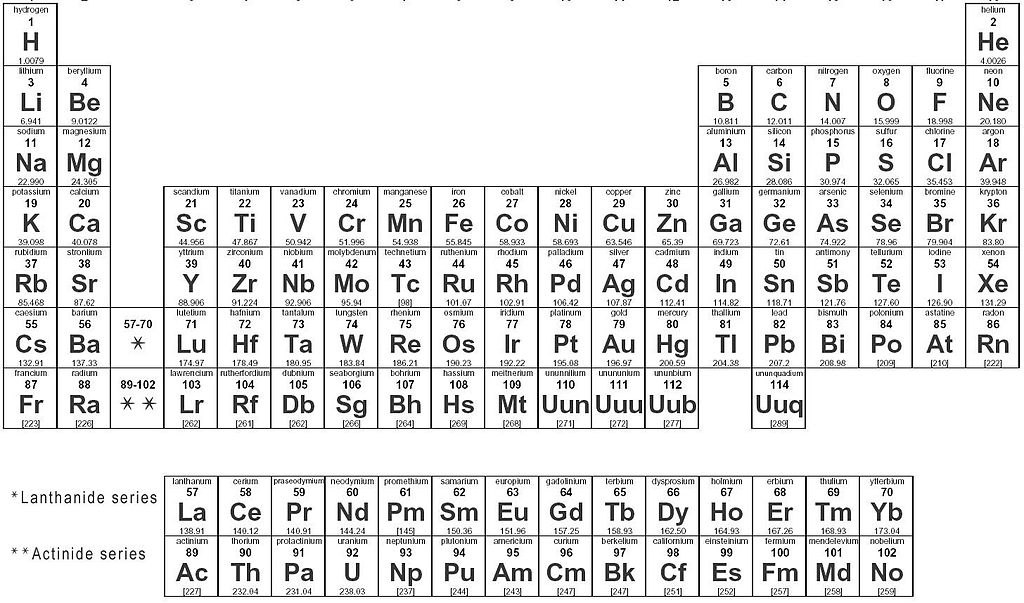
Copper (Cu) - Copper is commonly used as a conductor and as a building material.
Metal
Nonmetal
Metalloid
Carbon (C) - Carbon is an organic element found in all living organisms.
Metal
Nonmetal
Metalloid
Chlorine (Cl) is a yellow-green gas at room temperature. Based only on this information, where would you expect to find this element on the Periodic Table?
Left side
Right side
At the top
At the bottom
Copper is a common metal. Which of the following properties does this metal most likely have?
High conductivity, high malleability, and low luster
Low conductivity, low malleability, and low luster
High conductivity, high malleability, and high luster
Low conductivity, high malleability, and high luster
Groups run:
up and down
left to right
Periods run:
up and down
left to right
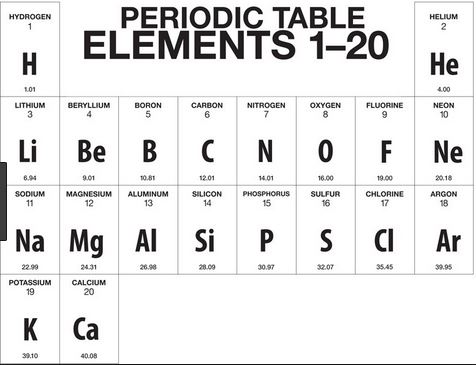
How many valence electrons does Hydrogen Have?
1 Valence electron
2 Valence electron
3 Valence electron
4 Valence electron
5 Valence electron
How many valence electrons does Helium Have?
1 Valence electron
2 Valence electron
3 Valence electron
4 Valence electron
5 Valence electron
How many valence electrons does Fluorine Have?
4 Valence electron
5 Valence electron
6 Valence electron
7 Valence electron
8 Valence electron
How many valence electrons does Neon Have?
4 Valence electron
5 Valence electron
6 Valence electron
7 Valence electron
8 Valence electron
What are valence electrons?
The total number of electrons in an atom
The number of electrons in the outermost shell
The number of electrons in the second shell
The number of protons in the outermost shell

This is a correct dot diagram for carbon (C)
true
false
How would you draw a Lewis dot diagram for Magnesium?


Which of these is correct?


noble gases


Oxidation involves
gaining electrons; gaining oxygen
losing electrons; losing oxygen
gaining electrons; losing oxygen
losing electrons; gaining oxygen
Gaining oxygen is an example of...
oxidation
reduction
The products of combustion are
(a) Carbon dioxide and water
(b) Oxygen and water
(c) Only carbon dioxide
(d) Only oxygen
What three things does combustion need?
Fuel, oxygen, water
Fuel, oxygen, heat
Heat, oxygen, fire
Label the following item

The element Sulfur (S) has 16 protons. And it has (a) Valence electrons, while also containing (b) Energy Levels.
Which of the following is a noble gas?
Oxygen
Helium
Nitrogen
Hydrogen
Label the following item
Match the following
Oxygen
non-metal
Calcium
alkali earth metal
Copper
transition metal
Bromine
halogen
Xenon
noble gas

