
 Worksheets
Sewing Machine Parts/Stitches
Total questions: 22
Worksheet time: 11mins
This allows the machine to back-stitch
Take-Up Lever
Presser Foot
Feeddog
Reverse
Never __________ or ___________ the fabric through the machine. Your fabric will feed through automatically. (choose TWO answers)
catch
pull
turn
push
What is the purpose of a backstitch?
To make a test stitch before you begin
To make sure your stitching is straight
To add a decorative touch to a seam
To secure the stitching at both ends of a seam
This controls the length of the stitch
Stitch length selector
This controls the width of the stitch
Stitch width selector

What sewing machine part is this?
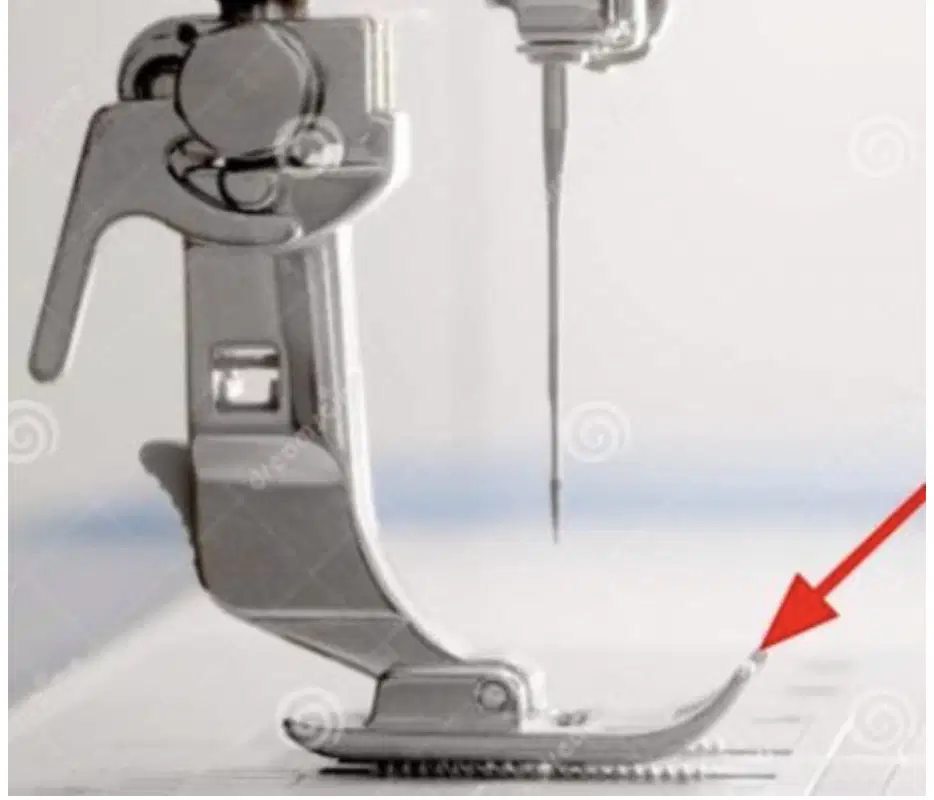
What sewing machine part is this?
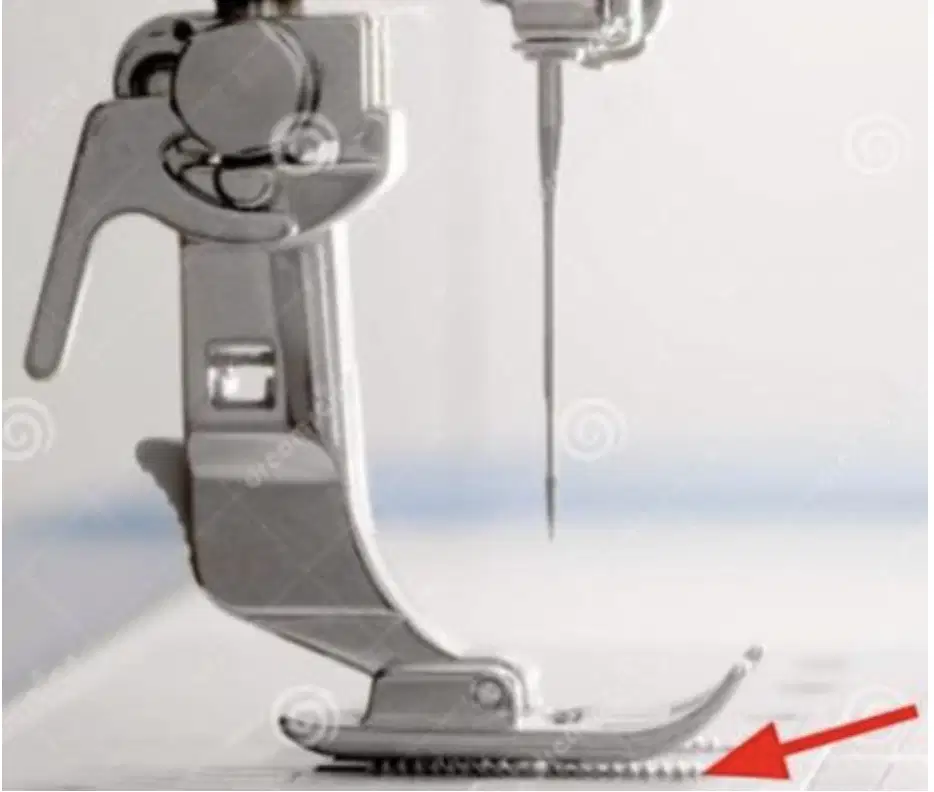
What sewing machine part is this?
This controls the up and down movement of the machine needle - it is used for slow, manual movement.
This holds the spool of thread while sewing on the sewing machine.
Spool pin
This keeps the thread from tangling when threading the machine.
Take-up Lever
This part sits on the floor and using pressure with your foot you can make the need go
foot pedal
This holds the fabric against the feed dog while stitching
This moves the fabric through the machine during stitching, so pulling or pushing the fabric is not necessary.
Which part of the sewing machine is responsible for holding the needle in place?
Needle clamp
Bobbin case
Presser foot
Feed dogs
What is the function of the tension dial on a sewing machine?
To adjust the stitch length
To control the tightness of the thread
To change the needle position
To select the stitch pattern
What is the function of the presser foot on a sewing machine?
To hold the fabric in place while sewing
To control the speed of the machine
To adjust the tension of the thread
To change the needle position
Which part of the sewing machine is used to wind the bobbin?
Bobbin winder
Needle clamp
Thread guide
Presser foot
What are the lines for on the metal plate of the sewing machine?
Where should your hands never be when sewing for safety reasons?
On the metal plate in the path of the needle or under the presser foot.
Stitch that allows flex on a machine
Simple stitch on a machine that is quick but neat

