
 Worksheets
2nd Six Weeks Review
Total questions: 31
Worksheet time: 31mins
What is a corporation?
A type of government agency
A business entity owned by its shareholder(s)
A non-profit organization
A type of partnership

What is a stock?
A type of bond
A portion of ownership in a corporation
A type of loan
A government security
What is the definition of profit?
The total amount of money spent on a product.
The financial gain, especially the difference between the amount earned and the amount spent.
The total revenue generated from sales.
The amount of money saved in a bank account.

Who is considered a stockholder?
Someone who owns at least one share of a company's stock
Someone who works for a company
Someone who buys products from a company
Someone who manages a company's operations
What are dividends?
A type of bond issued by corporations
A portion of a corporation's profit paid to stockholders every quarter
A fee charged by banks for maintaining accounts
A tax imposed on corporate earnings
How often does a quarterly report appear?
Every month
Every two months
Every three months
Every four months

What is a capital gain?
When a stockholder sells stock for less than he or she paid for it.
When a stockholder sells stock for more than he or she paid for it.
When a stockholder buys stock at a lower price.
When a stockholder holds stock for a long period.
What is a capital loss?
When a stockholder sells stock for more than he or she paid.
When a stockholder sells stock for less than he or she paid.
When a stockholder buys stock at a high price.
When a stockholder holds stock for a long time.
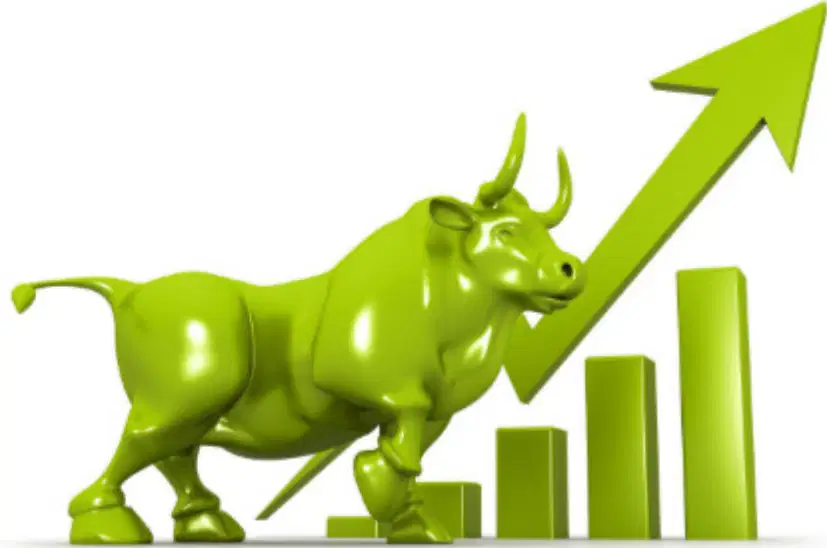
What does the term "Bull Market" refer to?
A declining stock market over time
A steadily rising stock market over time
A stable stock market with no changes
A rapidly fluctuating stock market
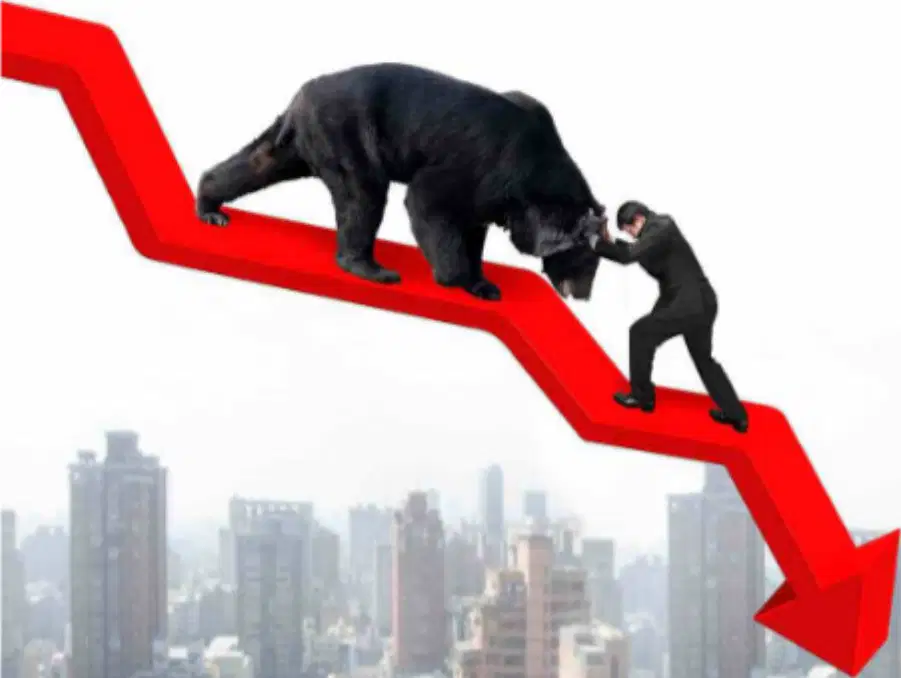
What does the term "Bear Market" refer to?
A rapidly rising stock market
A steadily falling stock market over time
A stable stock market with no changes
A market with unpredictable fluctuations

What does the S&P 500 index track?
The performance of 500 different stocks
The performance of 100 different stocks
The performance of 500 different bonds
The performance of 1000 different stocks
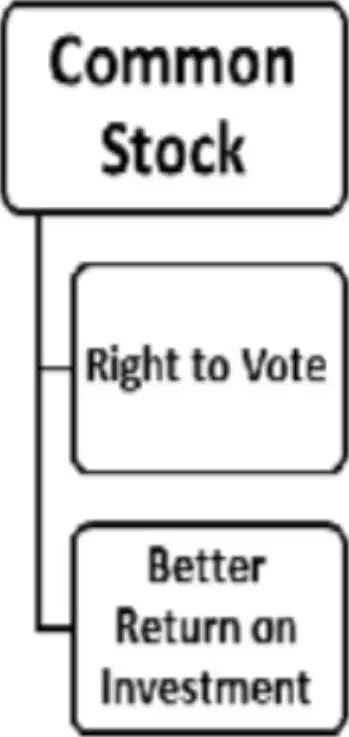
What is a key characteristic of common stockholders?
No right to vote
Gets paid first
Voting owners of the company
Fixed dividends

Which type of stock typically offers a better return on investment?
Preferred Stock
Common Stock
Treasury Stock
Convertible Stock
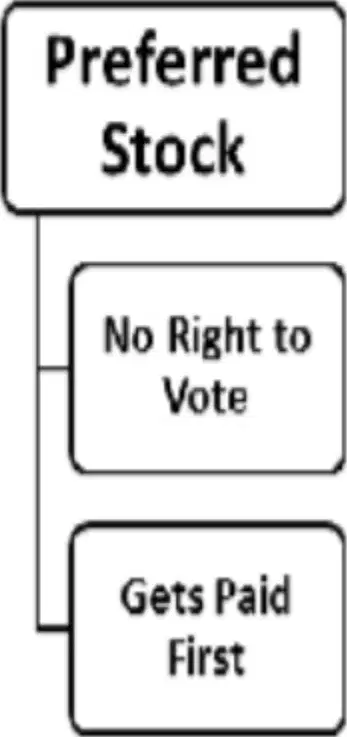
What is one characteristic of preferred stock?
Shareholders have the right to vote in company decisions.
Shareholders receive dividends after common stockholders.
Shareholders do not vote in company decisions.
Shareholders have a better return on investment.

Which type of stock gets paid dividends first?
Common Stock
Preferred Stock
Both get paid at the same time
Neither gets paid dividends

What is a stock exchange?
A place where businesses buy and sell stock.
A market for buying groceries.
A location for trading real estate.
A venue for art auctions.

What is the role of a stockbroker?
A person who buys and sells goods in a market
A licensed intermediary between buyers and sellers of stock
A person who manages a company's finances
A professional who provides legal advice

What is the primary function of brokerage firms?
Specialize in trading stock
Manufacture goods
Provide healthcare services
Develop software

What is a day trader?
A person who invests in real estate for long-term profit.
A stockbroker who buys and sells large amounts of stock very quickly to turn a profit in one day’s trading.
A banker who manages savings accounts.
A financial advisor who plans retirement funds.
What is the purpose of stock performance indexes?
To look at parts of the stock market to make a generalization about the market as a whole.
To predict future stock prices.
To determine the best stocks to invest in.
To calculate the exact value of a company.
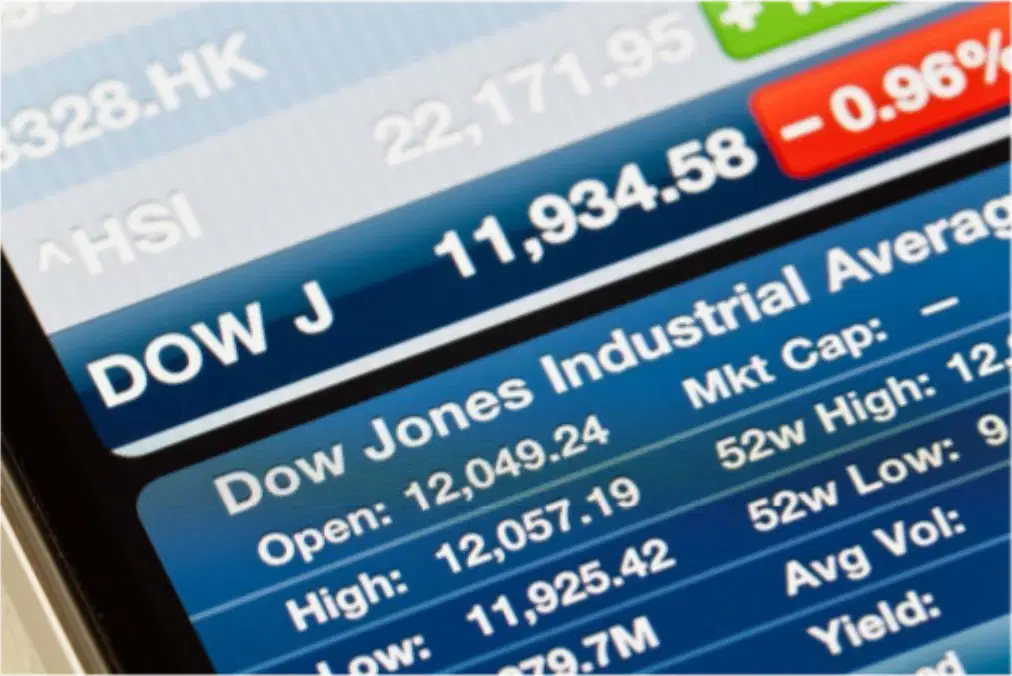
What does "The Dow" index show?
The performance of 30 companies in various industries.
The performance of 50 companies in the technology sector.
The performance of 100 companies in the healthcare sector.
The performance of 20 companies in the automotive industry.
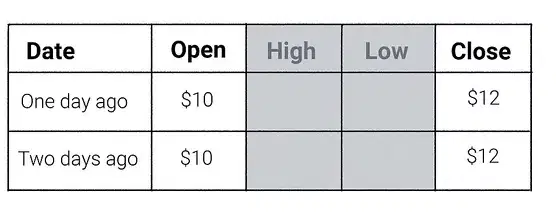
What the price the stock started at on that day?
Open
Previous Close
Day Trader
Ticker
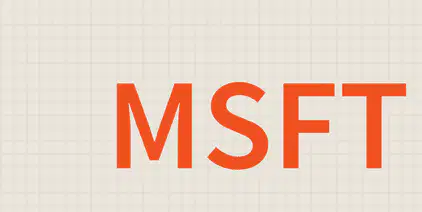
What is the unique alphabetic name which identifies the stock?
Open
Bid
Ticker
Ask
What is the last trading price recorded when the market closed on the previous day?
Previous Close
Bid
Open
Ticker

What is the amount of money a buyer is willing to pay for a stock?
Ask
Previous Close
Open
Bid
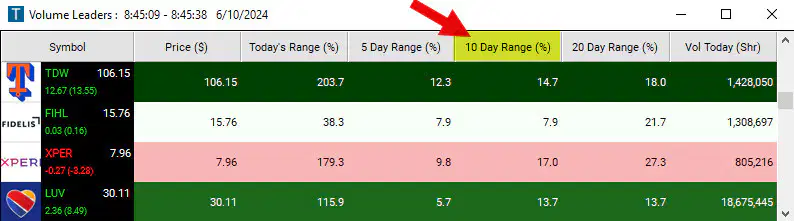
What is the range of the lowest to the highest stock price, during that day?
Day Range
52 Week Range
Volume
Average Volume
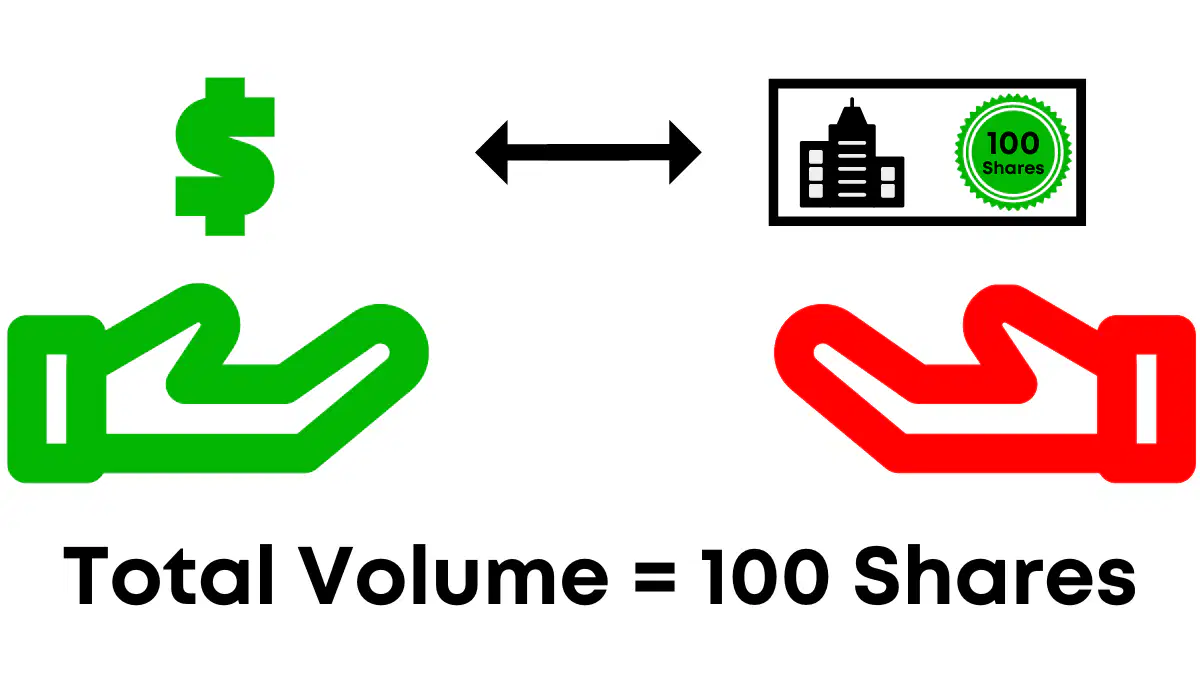
What is the number of shares traded on that day?
Average Volume
52 Week Range
Volume
Day's Range
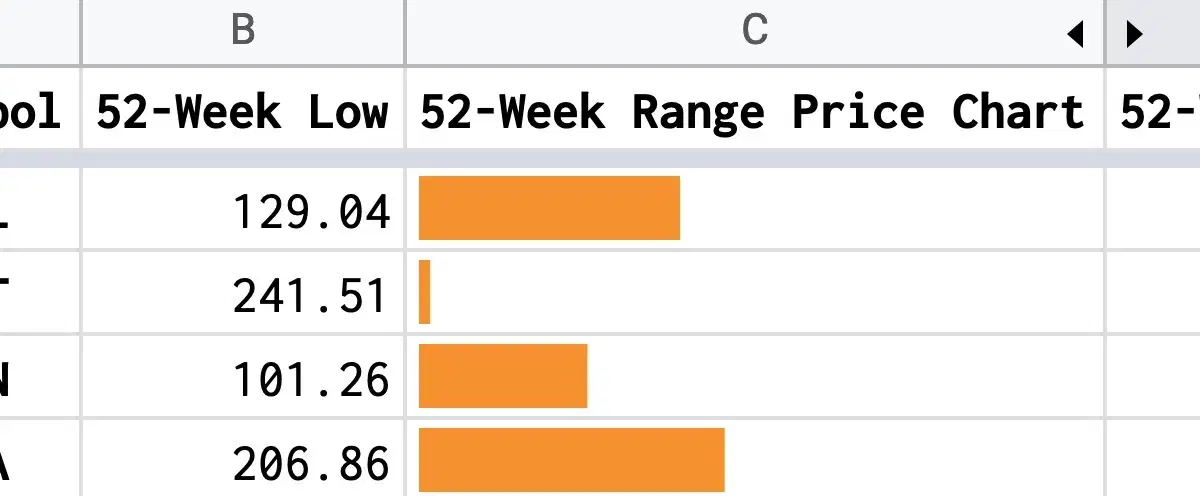
What is the highest and lowest prices at which a stock has traded over the previous year?
52 Week Range
Volume
Day's Range
Average Volume
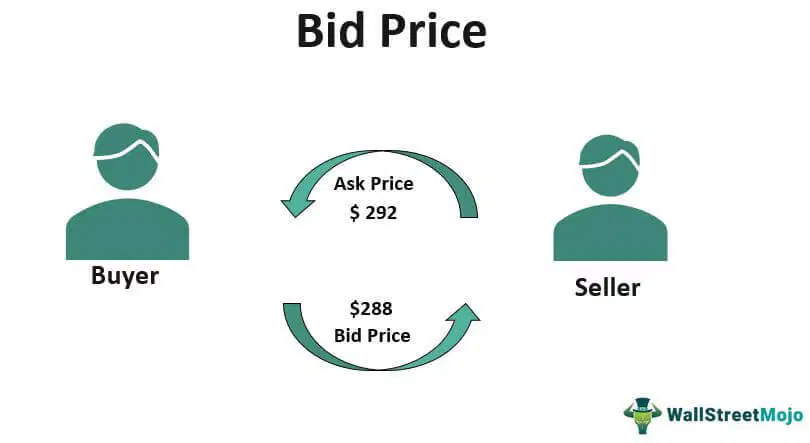
What is the lowest price at which a seller will sell the stock?
Ask
Bid
Open
Volume

One of the oldest and largest markets in the US to buy and sell stocks.
S&P 500
New York Stock Exchange
The Dow
Stock Indexes

a list of stocks that an investor keeps track of.
Volume
Watchlist
S&P 500
Dow

