
Font size
 Worksheets
Musculoskeletal System Assessment Quiz
Total questions: 19
Worksheet time: 17mins
Identify the range of motion movement that assesses the range of motion of the elbow.
Supination
Pronation
Flexion
Extension
The patient is complaining of acute pain in his shoulder after playing tennis. Assessment of the shoulder includes which of the following four motions?
Abduction, adduction, supination, and pronation
Lateral bending, extension, dorsiflexion, and plantar flexion
Flexion, extension, internal rotation, and external rotation
Inversion, eversion, protraction, and retraction
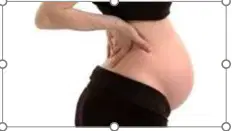
You are performing an assessment of the vertebrae and assess the posture shown in the accompanying figure. What type of posture do you see in the picture?
Lordosis
Scoliosis
Kyphosis
Normal posture
Which of the following is most concerning?
The muscle strength is 4/5.
Knee joint movement should include flexion deviation.
The warmth that is present in the left knee joint.
Muscle strength is symmetrical.
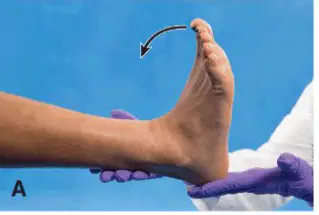
The movement of the sole of the foot away from the floor toward the knee demonstrates:
Plantar flexion.
Dorsiflexion.
Eversion
Inversion.
Which of the following are assistive devices? Select all that apply.
Walker
Rolling walker
Wheelchair
Cane
Crutches
Which is a true statement about the musculoskeletal system? Select all that apply.
The skeletal system provides attachment points for ligaments and tendons.
Movement occurs when muscles contract.
Muscle movement is generally involuntary.
Muscles relax in response to neurological stimulus.
Muscle movement cannot be involuntary.
Select the correct five "P"s below. Select all that apply.
Pain
Position
Paralysis
Paresthesia
Pronation
Identify below all of the normal findings about the musculoskeletal system. Select all that apply.
The range of motion of each joint should be symmetric to the opposite limb.
Muscle strength should be at least 8/10 in the lower extremities.
Limitations against resistance may indicate a problem in the joint.
Stretching exercises such as yoga build muscle strength.
Bending, lifting, and performing repetitive motions increase the risk of injury.
When inspecting the upper extremities with the patient in a relaxed standing position, the nurse expects to observe which of the following? Select all that apply.
Straight upper arms
Symmetry between left and right upper extremities
Forward rounding of the shoulders
Wrists in line with the lower arm, palms facing thighs
Hyperextension of the elbows
Assessment of the geriatric patient's posture and gait can be assessed as he or she enters the room. This will help the nurse to identify a patient's ____________________ risk.
Asking a patient to move their palm/hand away from their body without moving the elbow allows functional assessment of ____________________ rotation against resistance of the shoulder joint.
An exaggerated curvature in the thoracic spine is a common finding in an elderly person due to osteoporosis. This condition of the vertebrae is known as ____________________.
Mr. Brown's knee assessment shows 4/5 muscle strength bilaterally with full flexion and extension. The nurse assesses the skin temperature and notes increased warmth of the left knee joint. Which of the following is most concerning?
The muscle strength is 4/5.
Knee joint movement should include flexion deviation.
The warmth that is present in the left knee joint.
Muscle strength is symmetrical.
Who is at greater risk for osteoporosis?
An African American man who is thin
A Hispanic woman who is obese
A Caucasian man who is underweight
A Caucasian woman who is of normal weight
You are assessing the vertebral column. Which assessment techniques will you perform?
Inspection only
Inspection and palpation
Inspection, palpation, and percussion
Inspection, palpation, and muscle strength
You are assessing the range of motion of the knee. Which of the following movements are appropriate to assess? Select all that apply.
Internal rotation
External rotation
Abduction
Adduction
Flexion
You are assessing the range of motion of the ankle. Which of the following movements are appropriate to assess? Select all that apply.
Inversion
Eversion
Flexion
Extension
Dorsiflexion
Prevention of disease and disability of the musculoskeletal system can be accomplished by working to maintain a level of wellness. This can be accomplished through which of the following? Select all that apply.
Eating foods rich in calcium, vitamin D, magnesium, and phosphorus
Maintaining an ideal body weight
Exercising on a regular basis
Performing stretching and flexibility exercises
Maintaining good body mechanics

