
 Worksheets
Circulatory system
Total questions: 33
Worksheet time: 17mins
What is the purpose of completing active notes for each lesson?
To use them during the open book test.
To share them with classmates.
To submit them for grading.
To decorate the classroom.
What is the primary function of the circulatory system?
To digest food
To transport blood around the body
To produce hormones
To store energy
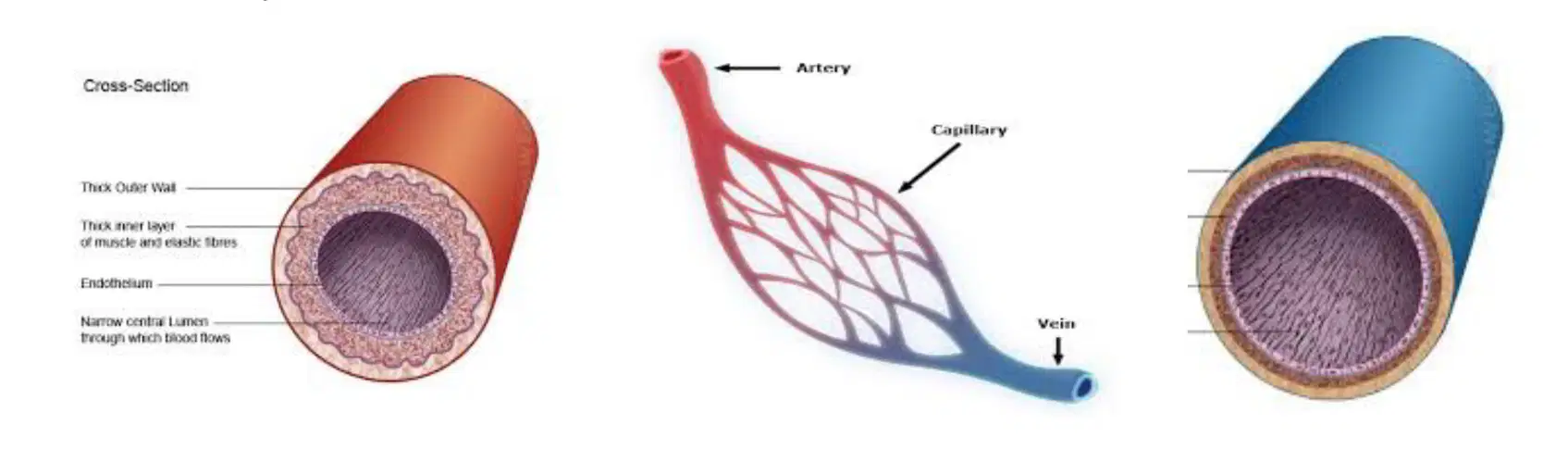
Which components make up the circulatory system in mammals?
Lungs, liver, and kidneys
Heart, blood, and blood vessels
Brain, nerves, and spinal cord
Stomach, intestines, and pancreas
What is the primary role of the circulatory system?
To digest food
To carry blood around the body
To produce hormones
To store energy
What does blood transport around the body in animals?
Oxygen, nutrients, and carbon dioxide
Water, vitamins, and minerals
Proteins, fats, and carbohydrates
Hormones, enzymes, and acids
What is the primary function of red blood cells?
Fight infections
Transport oxygen
Allow blood to clot
Carry hormones
Which type of blood cell is responsible for fighting infections?
Red blood cells
White blood cells
Platelets
Plasma
What role do platelets play in the body?
Transport oxygen
Fight infections
Allow blood to clot
Carry hormones
What is the main function of arteries?
To carry blood under low pressure back to the heart
To allow exchange of materials between blood and tissues
To carry blood under high pressure away from the heart
To store blood
Which type of blood vessel carries blood back to the heart under low pressure?
Arteries
Veins
Capillaries
Nerves
What is the primary role of capillaries?
To carry blood away from the heart
To carry blood back to the heart
To allow efficient exchange of materials between blood and tissues
To pump blood
What is the main function of arteries?
To carry blood under low pressure back to the heart
To allow exchange of materials between blood and tissues
To carry blood under high pressure away from the heart
To store blood
Which type of blood vessel carries blood back to the heart under low pressure?
Arteries
Veins
Capillaries
Nerves
What is the primary role of capillaries?
To carry blood under high pressure
To carry blood under low pressure
To allow efficient exchange of materials between blood and tissues
To pump blood
What is the primary function of arteries in the circulatory system?
To pump blood at high pressure away from the heart
To carry oxygen-poor blood to the heart
To store blood for future use
To filter impurities from the blood
Which of the following are examples of arteries?
Vena cava and capillaries
Aorta and pulmonary artery
Veins and capillaries
Lymphatic vessels and veins
What characteristic of capillaries allows for efficient exchange of materials?
Thick walls and small surface area
Thin walls and large surface area
Thick walls and large surface area
Thin walls and small surface area
What is the primary function of veins in the circulatory system?
Carry blood away from the heart
Carry blood from the body back towards the heart
Exchange gases in the lungs
Pump blood to the brain
Why do veins have valves?
To increase blood pressure
To prevent the backflow of blood
To speed up blood flow
To store extra blood
Which of the following is a type of vein?
Aorta
Capillary
Vena cava
Arteriole
What are the main components of the circulatory system?
Heart, lungs, and brain
Heart, blood vessels, and blood
Lungs, liver, and gut
Brain, blood, and veins
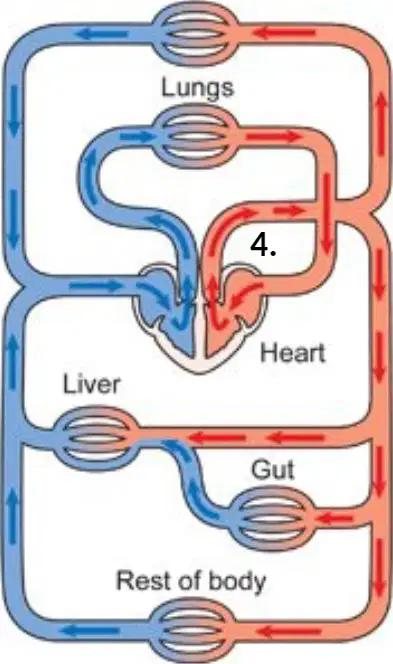
What does the heart do with oxygenated blood?
Pumps it to the lungs
Pumps it all around the body
Pumps it to the liver
Pumps it to the gut
What happens to the blood when oxygen diffuses into body cells?
It becomes oxygenated
It becomes deoxygenated
It turns into plasma
It becomes carbonated
Where is deoxygenated blood transported after it has circulated through the body?
To the lungs
To the liver
Back to the heart
To the brain
What is the heart primarily described as?
A muscular pump
A nervous system
A digestive organ
A skeletal structure
How many chambers does the heart have?
2
3
4
5
How many valves are in the heart?
2
3
4
5
What is the primary role of the heart?
To digest food
To pump blood around the body
To filter waste
To produce hormones
Which chambers are located at the top of the heart?
Left and right ventricles
Left and right atria
Left ventricle and right atrium
Left atrium and right ventricle
What is the plural form of 'atrium'?
Atriums
Atrium
Atria
Atrias
What is the function of the right ventricle in the heart?
Pumps oxygenated blood to the body
Receives deoxygenated blood from the body
Pumps deoxygenated blood to the lungs
Receives oxygenated blood from the lungs
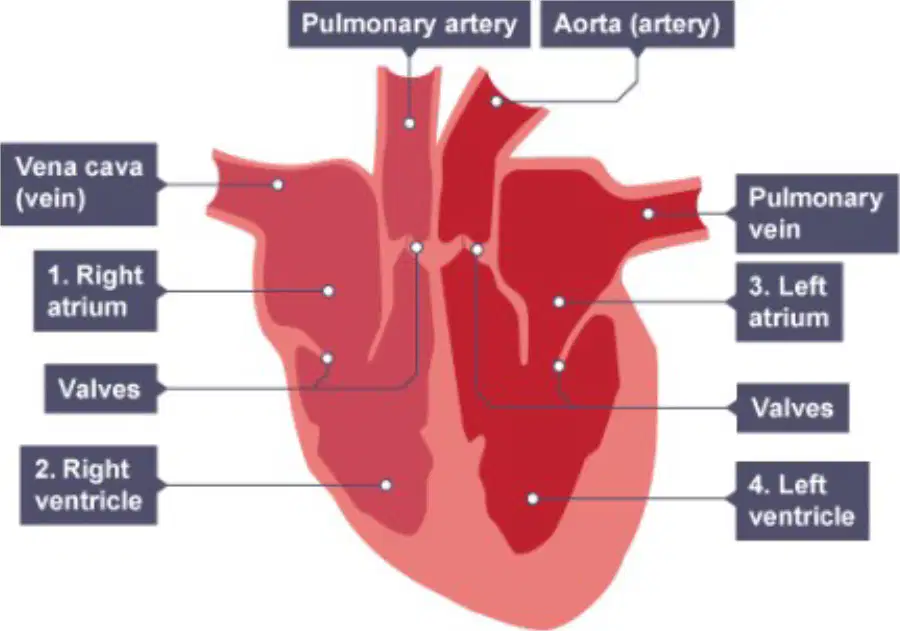
Which arteries take blood away from the heart?
Vena cava and pulmonary vein
Aorta and pulmonary artery
Right atrium and left atrium
Right ventricle and left ventricle
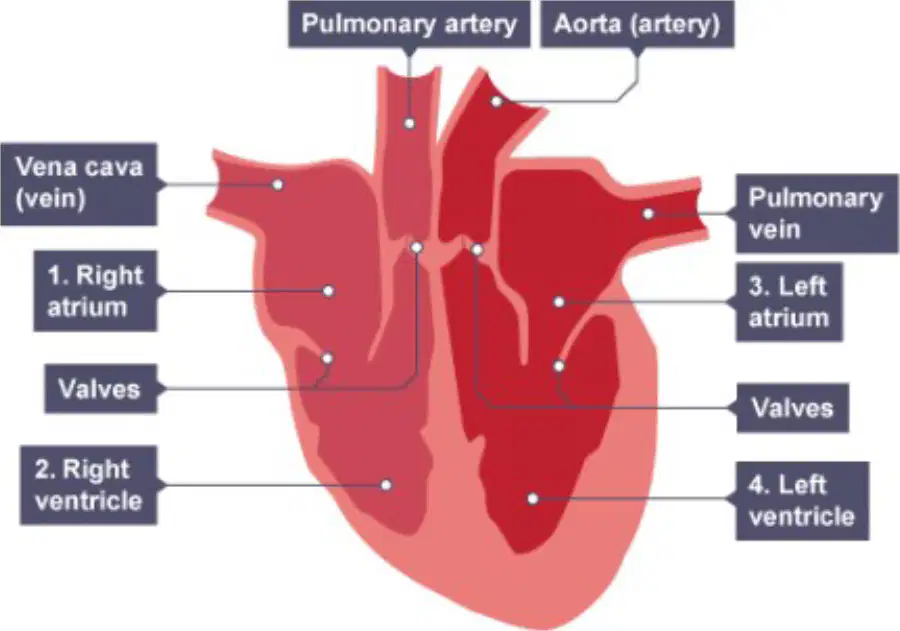
Which veins bring blood into the heart?
Aorta and pulmonary artery
Right atrium and left atrium
Vena cava and pulmonary vein
Right ventricle and left ventricle

