
Font size
 Worksheets
Muscle Fibre Characteristics
Total questions: 15
Worksheet time: 13mins

Which type of muscle fibre is primarily used for explosive, high-intensity activities like sprinting?
Type I fibres
Type IIa fibres
Type IIx fibres
Type III fibres

What is a key characteristic of slow-twitch muscle fibres that makes them suitable for endurance activities?
High glycogen storage
High oxidative capacity
Low capillary density
Fast contraction speed

Which muscle fibre type is known for having the highest fatigue resistance?
Type I fibres
Type IIa fibres
Type IIx fibres
Type IIb fibres

Which muscle fibre type is most efficient for activities requiring sustained energy over long periods?
Type I fibres
Type IIa fibres
Type IIx fibres
Type IIb fibres
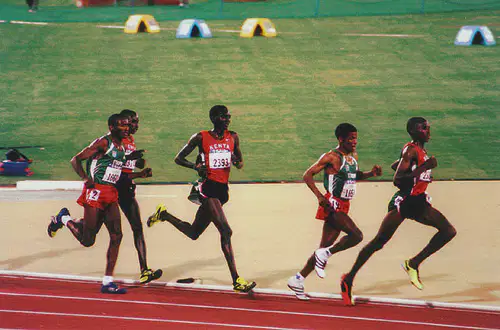
Which characteristic is NOT associated with type I muscle fibres?
High oxidative capacity
High fatigue resistance
Fast contraction speed
High capillary density

Which muscle fibre type is primarily responsible for maintaining posture?
Type I fibres
Type IIa fibres
Type IIx fibres
Type IIb fibres
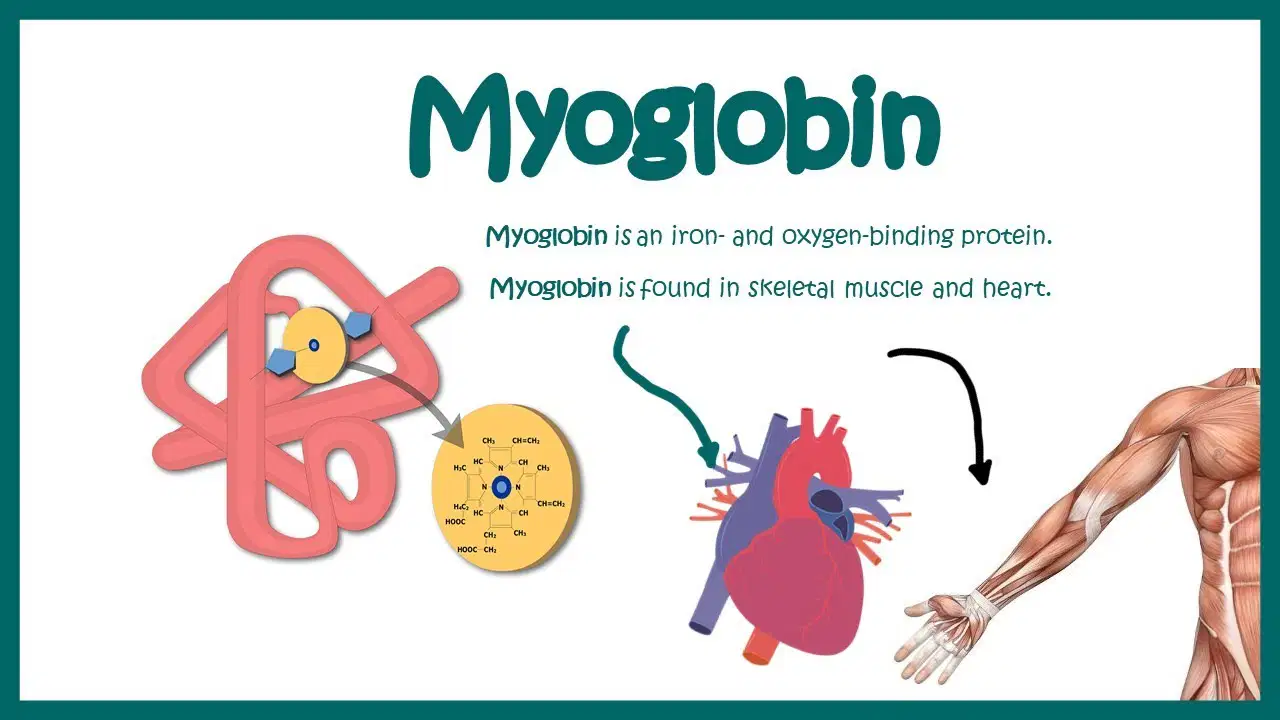
Which muscle fibre type has the highest myoglobin content?
Type I fibres
Type IIa fibres
Type IIx fibres
Type IIb fibres

What is a distinguishing feature of type IIb muscle fibres compared to type I fibres?
Higher oxidative capacity
Higher contraction speed
Higher capillary density
Higher myoglobin content
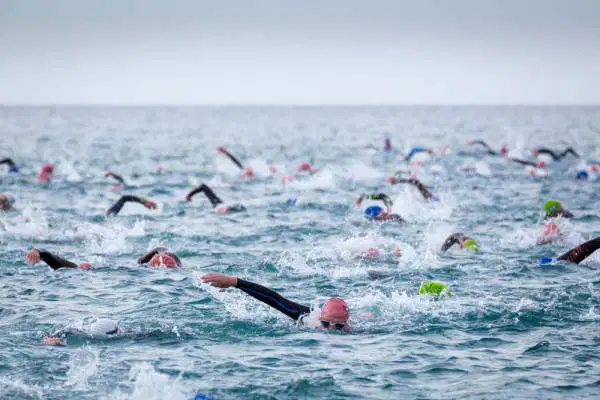
Which muscle fibre type is least likely to be used during a long-distance swim?
Type I fibres
Type IIa fibres
Slow twitch fibres
Type IIx fibres
Explain the difference between type IIa and type IIx fast-twitch fibres.
Type IIa fibres are more resistant to fatigue than type IIx fibres.
Type IIx fibres have a higher oxidative capacity than type IIa fibres.
Type IIa fibres are primarily used for short bursts of power.
Type IIx fibres are more suited for endurance activities.

What is the primary energy source for type I muscle fibres during prolonged exercise?
Glycogen
triglycerides
Creatine phosphate
Amino acids

Identify the main muscle fibre type used by a marathon runner and give three structural characteristics of this fibre type.
Type I fibres; high mitochondrial density, high capillary density, high myoglobin content
Type IIa fibres; moderate mitochondrial density, moderate capillary density, moderate myoglobin content
Type IIx fibres; low mitochondrial density, low capillary density, low myoglobin content
Type I fibres; low mitochondrial density, low capillary density, low myoglobin content
Which muscle fibre type is most associated with anaerobic activities?
Type I fibres
Type IIa fibres
Type IIx fibres
Type IIb fibres
Which type of muscle fibre is used for long-distance swimming?
What are the three main types of muscle fibre?

