
 Worksheets
GCSE Psychology - Memory Review 2024
Total questions: 37
Worksheet time: 36mins
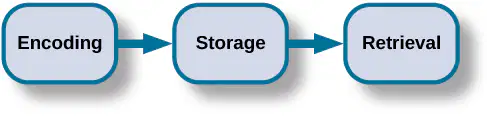
Match the following term with the correct definitions:
Encoding
Converting info into a specific format
Storage
Saving information for future use
Retrieval
Accessing stored information
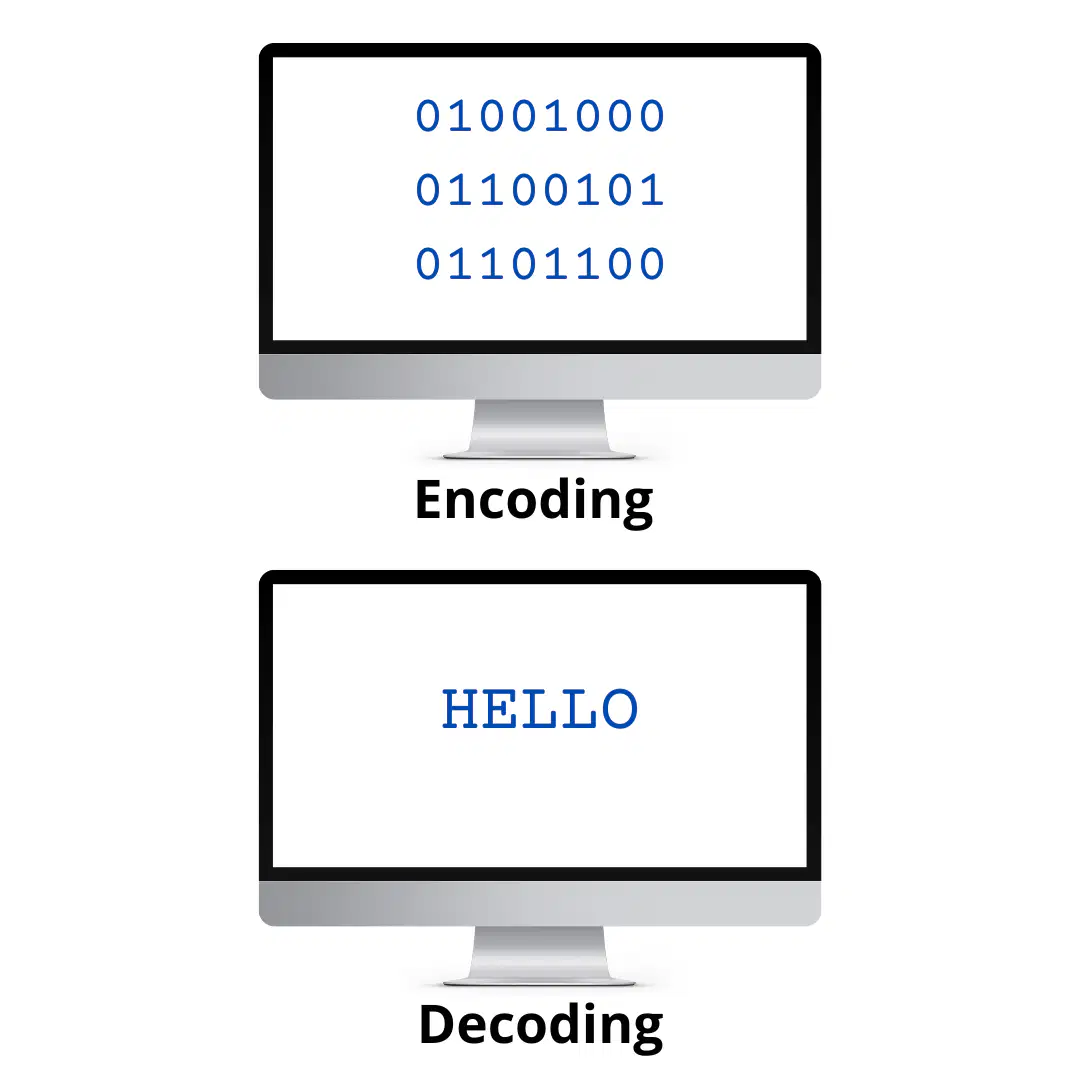
Match the following types of encoding with the correct definitions:
Visual encoding
Encoding that involves the use of visual images
Acoustic encoding
Encoding that involves the use of sound
Semantic encoding
Encoding that involves the meaning of the information

What type of encoding would be taking place if you were listening to a podcast?
Visual encoding
Acoustic encoding
Semantic encoding
What type of encoding would be taking place if you watched a video and then wrote out a summary of the content in bullet points?
Visual encoding
Acoustic encoding
Semantic encoding
What type of encoding allows you to remember more of the information coming into your memory?
Visual encoding
Acoustic encoding
Semantic encoding
Drag the correct properties to each component of the multi-store memory:
Receives information from our senses
Holds a very small amount of information
Holds information for approx 1 second
Can hold approx 7 pieces of information
Will hold information for approximately 1 minute
Can hold a limitless amount of information
Can hold information for an infinite amount of time
Information is moved here by paying attention to it
Information is moved here through regular rehearsal
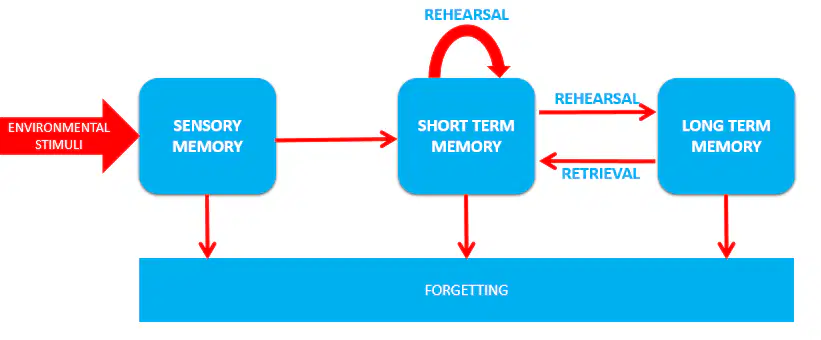
There are several evaluation points about the multi-store memory model. Firstly, further research has shown us that there is more than one (a) as we it can be divided up into semantic, procedural, and (b) memories. There are also times when we find information in our long term memory store even through we haven't (c) it. Finally, sometimes we suffer (d) even though we have rehearsed the information regularly.
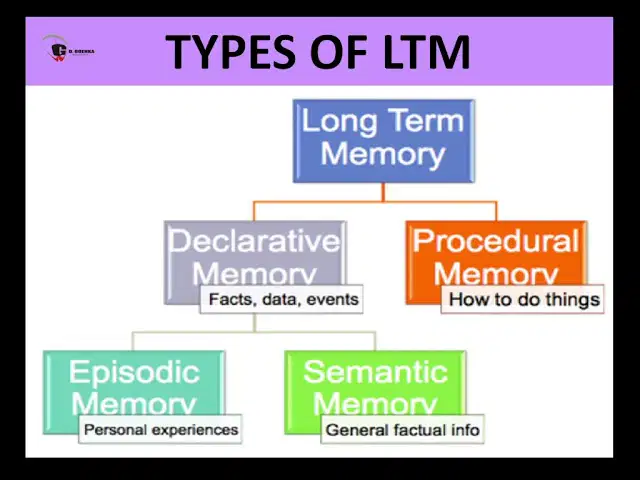
Drag each statement to the correct type of long term memory:
Information about events that have happened to you
Muscle memory
Information that everyone is likely to know
Examples include where you went on holiday
Examples include riding a bike or catching a ball
Examples include knowing the capital city of a country
The memory is non-declarative - it can be recalled without really thinking about it
Tying a shoelace is example of using which type of long term memory?
Episodic
Procedural
Semantic
Remembering details about a birthday party when you were younger is using which type of long term memory?
Episodic
Procedural
Semantic

Clive Wearing had dementia - he would regularly forget his wife's name, but could still play the piano brilliantly. Which aspect of his long term memory was affected?
Procedural
Episodic
Semantic

What type of experiment was Murdock's 'Serial Position Curve' study?
Lab experiment
Field experiment
Natural experiment
Put the following statements in order so that they make sense to describe Bennett's 'Serial Position Curve' study:
Participants were asked to look at a list of 20 words for 1 minute
Participants had to wait for 1 minute
Participants had 1 minute to write down the words that were remembered
The psychologist analysed which words the participants remembered
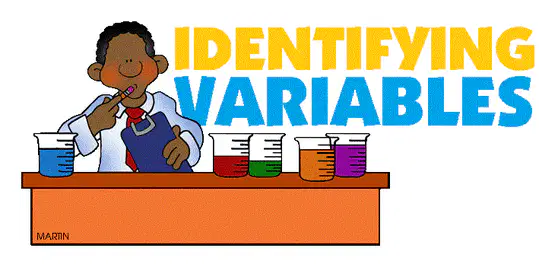
What was the dependent variable in Murdock's 'Serial Position Curve' study?
The number of words in the list
The position of each word on the list
The number of words each participants remembered
Which words that each participant remembered

In Murdock's 'Serial Position Curve' study, he was interested in how many words each participant remembered?
True
False
Correctly label the two principles shown by the arrows on the 'Serial Position Curve':
The primacy effect suggests that we remember more information from the (a) of a list. This is because it has been rehearsed and is therefore in our (b) . The recency effect suggests that we remember more information from the (c) of a list as it is still in our (d) .
start
long term memory
end
short term memory

Murdock's serial position curve study was a (a) experiment so all of the extraneous variables were (b) . However, the experiment had (c) ecological validity as remembering a list of words is not an (d) task.
low
everyday
lab
controlled
high
uncommon
natural
Reconstructive memory describes how our memories change over (a) . We keep the overall (b) but key aspects may differ. Memories often change to something we (c) them to be rather than what they actually were.
meaning
want
time
need
results
True or false - the theory of reconstructive memory has relevant supporting evidence:
True
False
True or false - all of our memories are reconstructed:
True
False
True or false - the theory of reconstructive memory can be applied to many everyday situations
True
False
What type of experiment was Bartlett's 'War of the Ghosts' study?
Lab experiment
Field experiment
Natural experiment
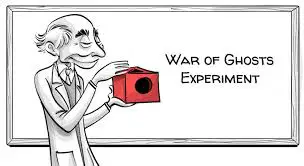
Place the following statements in order so that they make sense in describing Bartlett's 'War of the Ghosts' study:
Participants were played a 'nonsense' story
Participants had to wait 15 minutes
Participants were asked to write down their version of the story
Bartlett compared that accounts from each participant
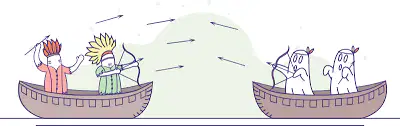
What did Bartlett find out from his 'War of the Ghosts' study?
Participants all had the same account of the story
Participants had the same overall meaning of the story, but changed some aspects
Participants had completely changed all aspects of the story
Participants couldn't remember any aspect of the story

The (a) of Bartlett's 'War of the Ghosts' study is (b) as listening to an nonsense story is not an everyday task. Similarly, he only analysed the stories (c) so the results can not be seen as completely (d) .
high
with others

The term that Bartlett gave to how we attempt to make sense of parts of our memory that we don't fully remember was:
Effort after meaning
Meaning after effort
Memory construction
Meaning construction
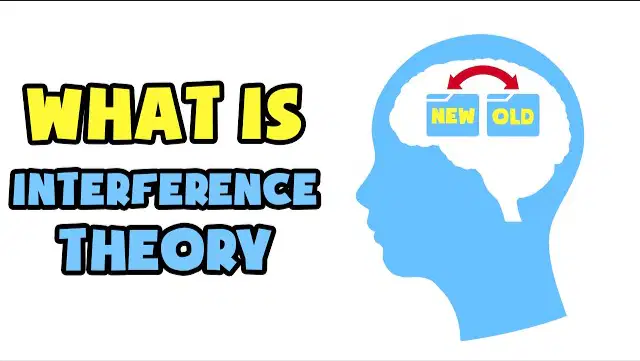
Match the different types of interference with their correct definition:
Proactive interference
Old information blocks new information
Retroactive interference
New information blocks old information
Interference (general)
Disruption of memory retrieval due to competing information

Someone is struggling to remember their new phone number because they are so used to their old phone number. What type of interference is this?
Proactive interference
Retroactive interference
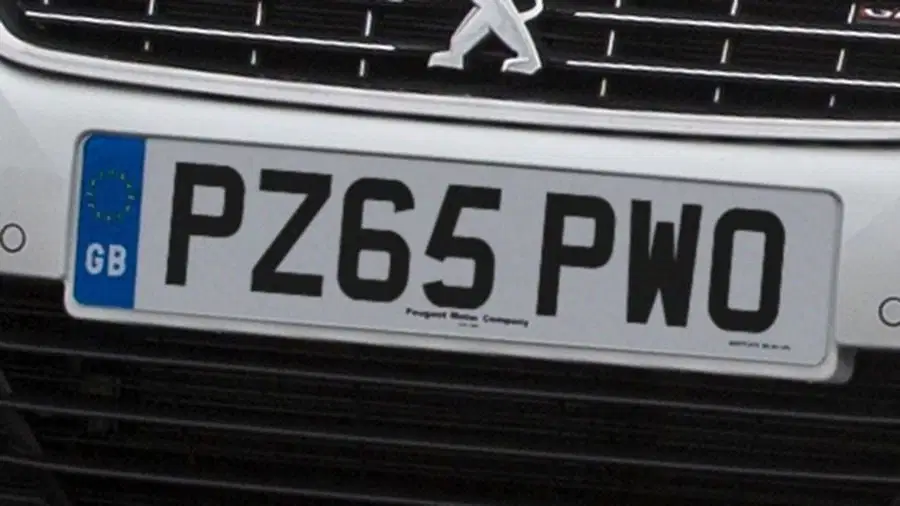
You've had a new car for a while. You are now so used to this new car that you can't remember the number plate of your old car. What type of interference is this?
Proactive interference
Retroactive interference

A female friend of yours gets married, and changes her surname to be the same as her husband. However, you keep forgetting to call he by her new surname, and continue to use her old surname. What type of interference is this?
Proactive interference
Retroactive interference
The factor that increases interference in our memory the most is:
Items being similar to each other
Items being different to each other
The size of our short term memory
The number of things you are trying to remember
'Context' with regard to memory refers to:
How we remember more if we are in the same place that we learnt it
How we remember more if we are in a different place than we learnt it
How we can be given a memory of something that didn't happen
We only remember things if we are in a place that we like

Reinstating the context provides what in order to improve our memory of something?
(a)
In Godden & Baddeley's experiment on the effects of context on memory, what type of people did they use?
Deep sea divers
Rugby players
Windsurfers
Lawyers
What is the name for a memory that we hold for an event that did not happen?
(a)

In Loftus & Pickrell's famous study, participants were told that as children they had:
Bitten the dentist
Fallen off their bike
Kicked Father Christmas
Became lost in a shopping mall

