
NEW
Font size
 Worksheets
Test 3 review
Total questions: 47
Worksheet time: 37mins

I am a conquistador that conquered the Aztec empire and built Mexico City.
Francisco Pizarro
Hernan Cortes
Francisco Coronado
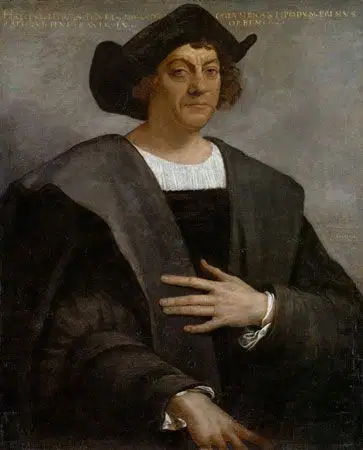
I believed I could reach Asia by traveling west across the Atlantic Ocean in 1492. I asked the king and queen of Spain to pay for my journey.
Pedro Cabral
Christopher Columbus
Hernando Cortes

I was the person who named the Pacific Ocean. My men were among the first to travel around the world, but unfortunately I died in battle in the Philippine Islands.
Vasco Nunez de Balboa
Jacques Cartier
Ferdinand Magellan
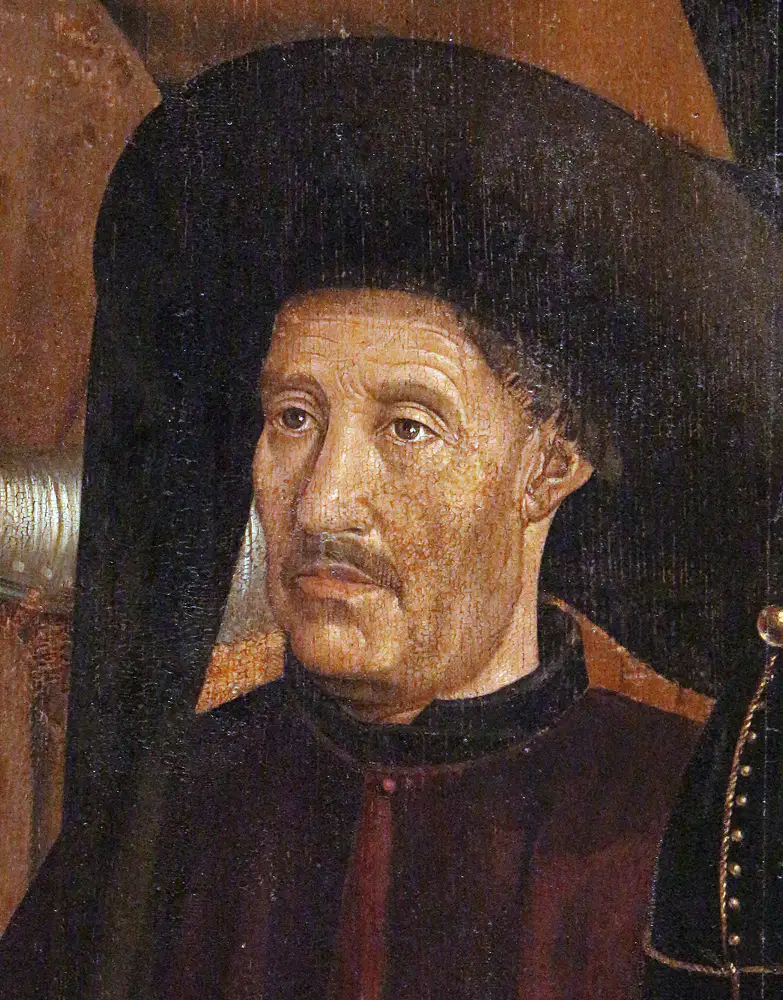
I started a school for navigators and people who wanted to go out exploring but I never set sail.
Christopher Columbus
Prince Henry the Navigator
Marco Polo

I took control of the Inca empire and claimed it for Spain.
Hernan Cortes
Ponce de Leon
Francisco Pizarro

I was the first person to finally realize that Columbus was NOT in Asia, but they had been in a new land. America was named after me.
Amerigo Vespucci
Vasco Nunez de Balboa
Ferdinand Magellan

I was searching for the Fountain of Youth, and though I never found it, I was the first to step foot on what is today Florida, U.S.A. soil.
Hernando de Soto
Christopher Columbus
Ponce de Leon

Which of the following was NOT a reason the early explorers began to make voyages?
To search for gold and riches
To make friends with the Native Americans
To spread their religion
The explorers want to become famous.
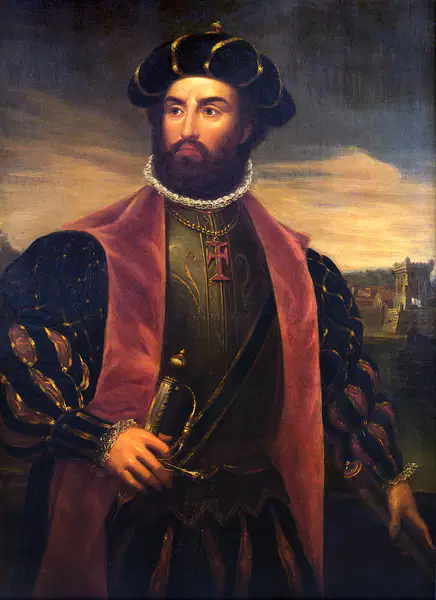
I was an explorer from Portugal to find a water route around Africa to India. This opened up trade.
Hernan Cortes
Ferdinand Magellan
Vasco da Gama

I was an English explorer who discovered Canada while looking for the Northwest Passage.
John Cabot
Hernan Cortes
Prince Henry the Navigator

All of the following were problems faced on Magellan's voyage EXCEPT:
Lack of fresh water and proper food
Stormy weather and rough seas
Attack by pirates and sharks

a system of forced labor used in the New World; allowed Spanish settlers to demand labor and taxes from natives
Triangle Trade
Colonialism
Mercantilism
Encomienda System

Spanish conquerors who took over land and natives in the New World; in name of Glory, God, and Gold
Exploitation
Conquistadors
Missionaries
Viceroys

a ship with a broad bow and high stern with three or four masts; used during 15th and 16th centuries; used for trade and long distance travel
Speed boat
Tug Boat
Sail boat
Caravel

a system of trade; Kings trying to increase exports while decreasing imports (means more money) Colony provides raw materials; mother country produces and sells the goods back to colonies
Encomienda System
Mercantilism
Triangle Trade
Colonialism

widespread exchange of animals, plants, culture, human populations, disease, and ideas between America, Europe, and Africa
Mercantilism
Encomienda System
Triangle Trade
Columbian Exchange

Horses came from:
Old World
New World

Disease came from:
Old World
New World

This is the...
New World
Old World

The green part is the...
New World
Old World

Potatoes came from
The Old World
The New World (Americas)
Europeans brought _________________ which killed 80-90% of the population.
Malaria
covid 19
diptheria
small pox
Native Americans, or indigenous people, did not have horses until horses were brought to the new world by Spanish and European explorers.
True
False

Who dedicated his life to ending the Encomienda system and helping the indigenous people of the New World?
Bartolome da Las Casas
Christopher Columbus
Hernan Cortes
Francisco Pizarro
This was a leg of the Triangle Trade Route that went across the Atlantic ocean from Africa to the Caribbean or South America. The cargo consisted mainly of slaves.
Middle Passage
Strait of Magellan
Mountain Pass
Strait of Gibralter
In order to prevent conflict between Spain and Portugal, the Pope established a line known as the ____________ which gave the routes West of the line to Spain and those East of the line, to Portugal.
Treaty of Versailles
Mercantilism
Middle Passage
Treaty of Tordesillas
These were people appointed by the King of Spain to watch over the settlements in the New World to ensure that they were following the rules of the King, since he was too far away to enforce said laws.
Merchants
Encomendaros
Viceroys
Conquistadors
This was passed to help end the encomienda system in the New World Spanish settlements. It was also supposed to free the natives from slavery and give them back lands that had been lost.
New Laws of 1542
Aparthied
Mercantilism
Triangle Trade Route
Which of these was NOT a social class in the Spanish New World colonies?
Peninsulares
Mestizos
Mercantilism
Creoles


Which Enlightenment thinker most directly influenced the notion expressed in this passage?



