
 Worksheets
Physical Capacities
Total questions: 20
Worksheet time: 18mins
What does B.P.C. mean?
(a)
Which are the B.P.C.?
Physical capacity that allows us to perform a movement or cover a distance in the shortest possible time.
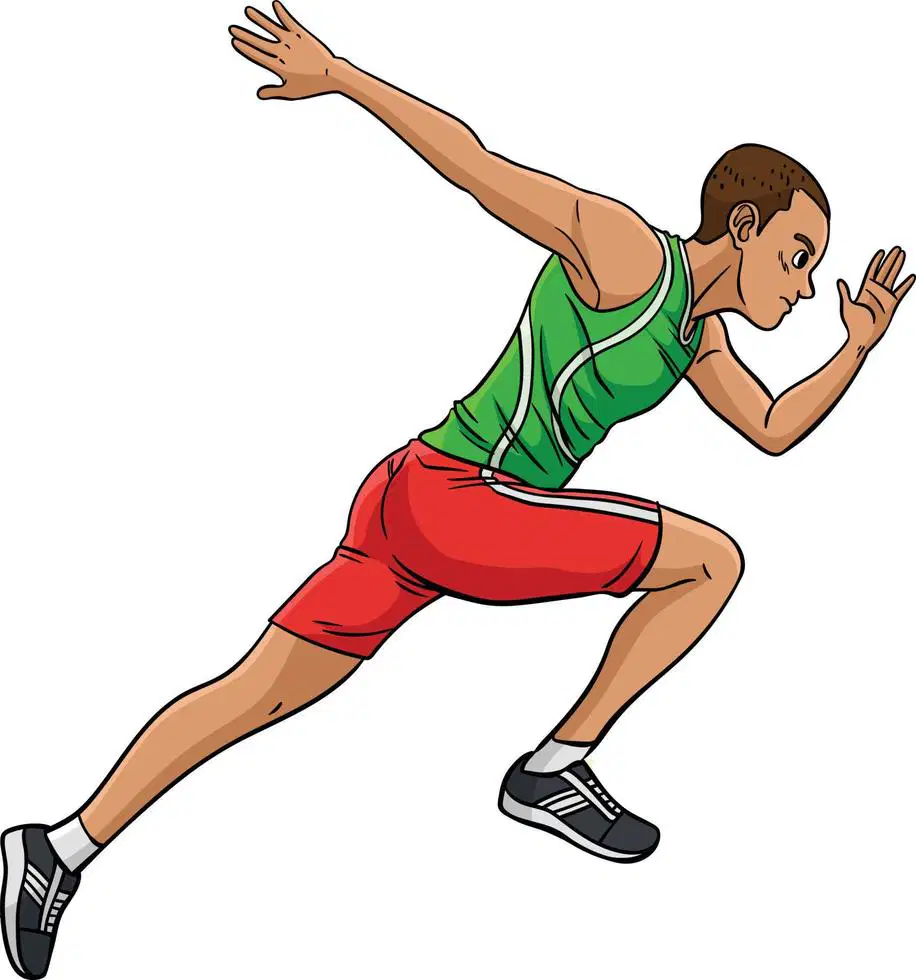
Types of Speed
Reaction Speed
Gestural Speed,
Speed of movement
Types Endurance
Aerobic
Anaerobic
Give an example of aerobic and anaerobic endurance in sport
Physical capacity that allows us to perform movements of great amplitude with one or more joints of our body.
Balance
Flexibility
Benefits of working on endurance
Increase the size of the lungs.
Benefits of strength training
Decreases fat.
Decreases muscle volume
Reduces the risk of suffering from cardiovascular diseases.
Increase stress and anxiety.
Which muscle do you work when performing a plank?
Tell me two leg muscles
which are arm muscles?
Biceps
Triceps
Quadriceps
Chest muscles
What physical capacity does the course navette test measure?
Speed
Endurance
Strength
Flexibility
Which test measures explosive strength?
Sit and Reach
Hand pressure
Long jump with feet together
Medicine ball throw
Which test measures maximun strength?
Sit and Reach
Hand pressure
Long jump with feet together
Medicine ball throw
What physical capacity does the sit and reach test measure?
Strength
Speed
Flexibility
Endurance
How is the Body Mass Index calculated?
Height/Weight
Weight/Height
Height /
(Weight x Weight)
Weight /
(Height x Height)
What is the heart rate of a person who gets 20 beats in 15 seconds of time?
80 bpm
120 bpm
200 bpm
220 bpm
What are the purposes of warming up?
Playing before the start of class
Preventing and avoiding Injuries
Activate the body for future effort
Talking to classmate while running
Initial part of the warm-up in which we activate the body is.....
Joint mobility
Stretching
Cardiovascular activation

