
 Worksheets
Chem review Quiz
Total questions: 64
Worksheet time: 52mins
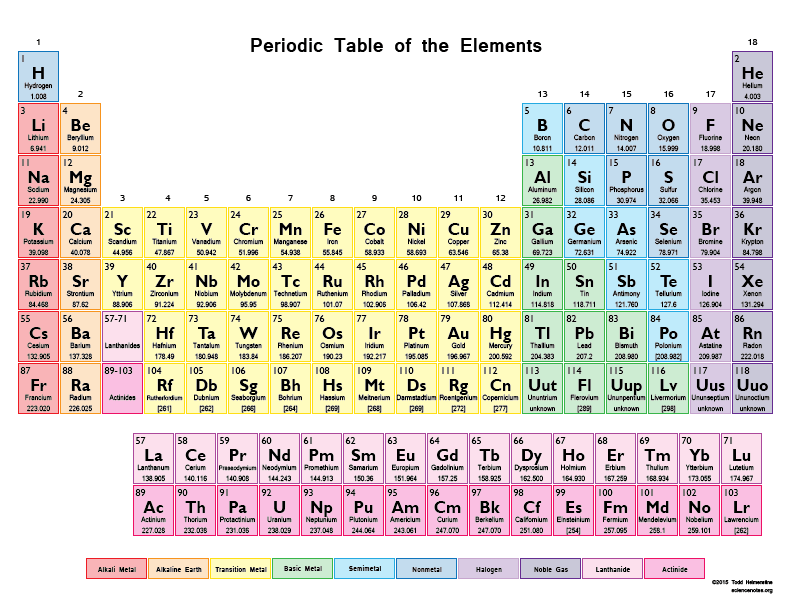
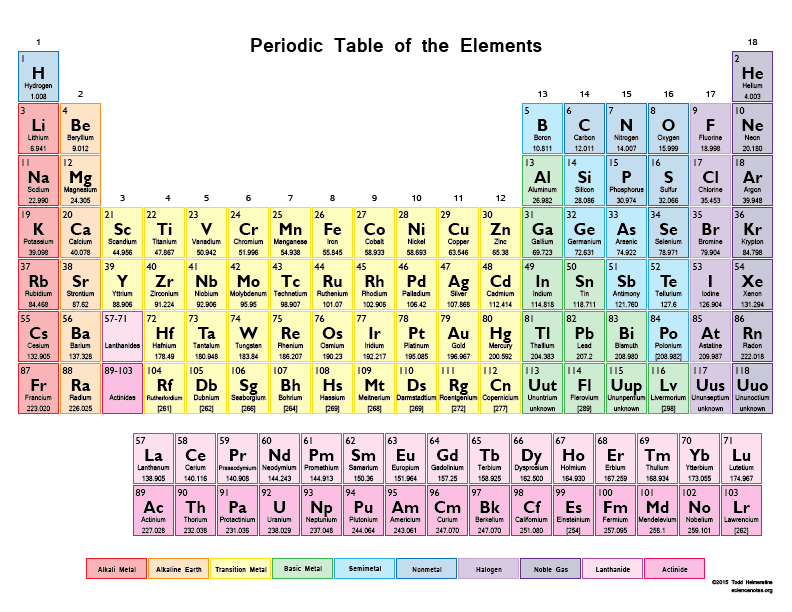
Which element has 19 protons?
fluorine
potassium
chlorine
iron
Which element has a mass number of 39?
Potassium
Copper
Calcium
Argon
What is the mass number for silver?
14
79
47
34
What is the name for the element that has 52 electrons?
chromium (Cr)
nickel (Ni)
tellurium (Te)
niobium (Nb)
Which element has 28 neutrons?
cobalt
nickel
silicon
arsenic
How many electrons does arsenic have?
33
75
18
40
What is the atomic number for potassium?
15
19
84
78
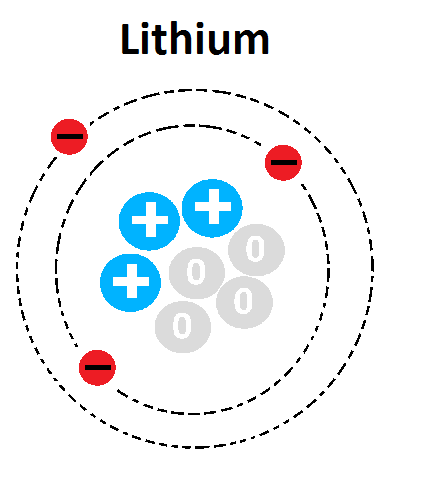
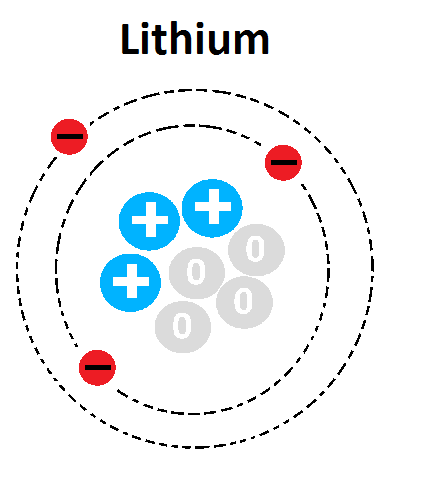
What is the mass number of this atom?
1
3
4
7
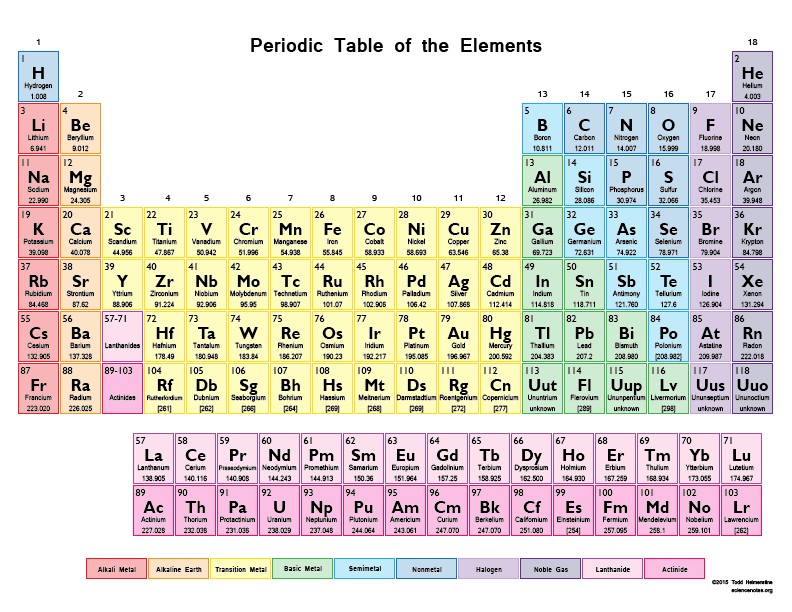
How many protons are in a sodium atom, Na? (tap to enlarge the periodic table)
Sodium has 1 proton.
Sodium has 3 protons.
Sodium has 11 protons
Atoms of the same element which have a different number of neutrons are called _________________.
ions
isotopes
quarks
molecules
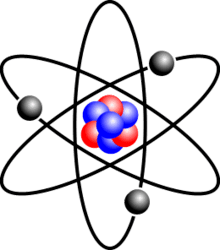
Which subatomic particle has a negative charge in the atom?
proton
neutron
electron
quark
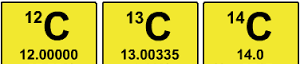
How many neutrons does C-14 contain? (tap to enlarge the image)
6
7
14
8
How many neutrons does an atom of the isotope Neon-22 have? (tap to enlarge the image)
12
10
22
20
How many electrons are in an atom with an atomic number of 50?
5
8
50
2
ALL atoms of the same element have:
same number of proton
same number of nucleon
different number of neutron
different number of electron
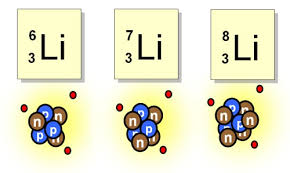

What is the mass number and atomic number ?
Mass number = 7, atomic number = 14
Mass number = 14, atomic number = 7
An atomic number of 8 means the atom has ___________
8 neutrons
8 protons
16 electrons
88 protons and electrons
Atomic number for Hydrogen
79
26
2
1
A property that is observed without making changes to the substance.
Chemical Reaction
Chemical Property
Physical Property
Physical Reaction
Which of the following properties can be used to identify an unknown substance?
Temperature
Mass
Density
All of the Above
When baking soda mixes with vinegar, a chemical reaction occurs. This reactivity is an example of a _______________.
Chemical Property
Physical Property
What are the units for density?
g
mL
g/mL
mL/g
Which of the following is an example of a chemical change?
Cutting paper
Sugar burning
Freezing water
What are the units for density?
g
mL
g/mL
mL/g
What are the units for mass?
g
mL
g/mL
mL/g
Water has a density of 1g/mL. If a rock has a density of 1.2g/mL, what will happen when it is placed in water?
The rock will sink.
The rock will float.
The rock will react with the water.
The rock will change the water.
Which object would float in water?
Button (density = .79g/mL)
Rock (density = 3.2g/mL)
Penny (density = 1.3g/mL)
Ball (density = 1.9 g/mL)
Solubility is an example of a....
Physical Property
Chemical Property
Which equation would you use to calculate density?
Mass divided by Volume
Volume divided by Mass
Mass multiplied by Volume
Mass plus Volume
Which equation would you use to calculate mass?
Density divided by Volume
Volume divided by Density
Density multiplied by Volume
Mass plus Volume
Which equation would you use to calculate volume?
Density divided by Mass
Mass divided by Density
Density multiplied by Volume
Mass plus Volume
Choose the one that is a chemical property
Magnetism
Size
Color
Reactivity with water
Choose whether the following is a physical or chemical property: Malleability
Physical
Chemical
Which of the following options provides evidence of a CHEMICAL change?
Wood is burned releasing ash and smoke
Rocks separate when soil is sifted
Water turns to ice when you put it in the freezer
Salt dissolves in water
What is the smallest amount of an element called?
Molecule
Atom
Compound
Electron
What is a pure substance made of only one type of atom called?
Compound
Mixture
Element
Solution
What is a substance made up of two or more elements chemically combined?
Element
Mixture
Compound
Solution
Which of the following is true about molecules?
Atoms can only be of the same type
Atoms can be the same type or different types
Atoms are always different types
Atoms are always the same type
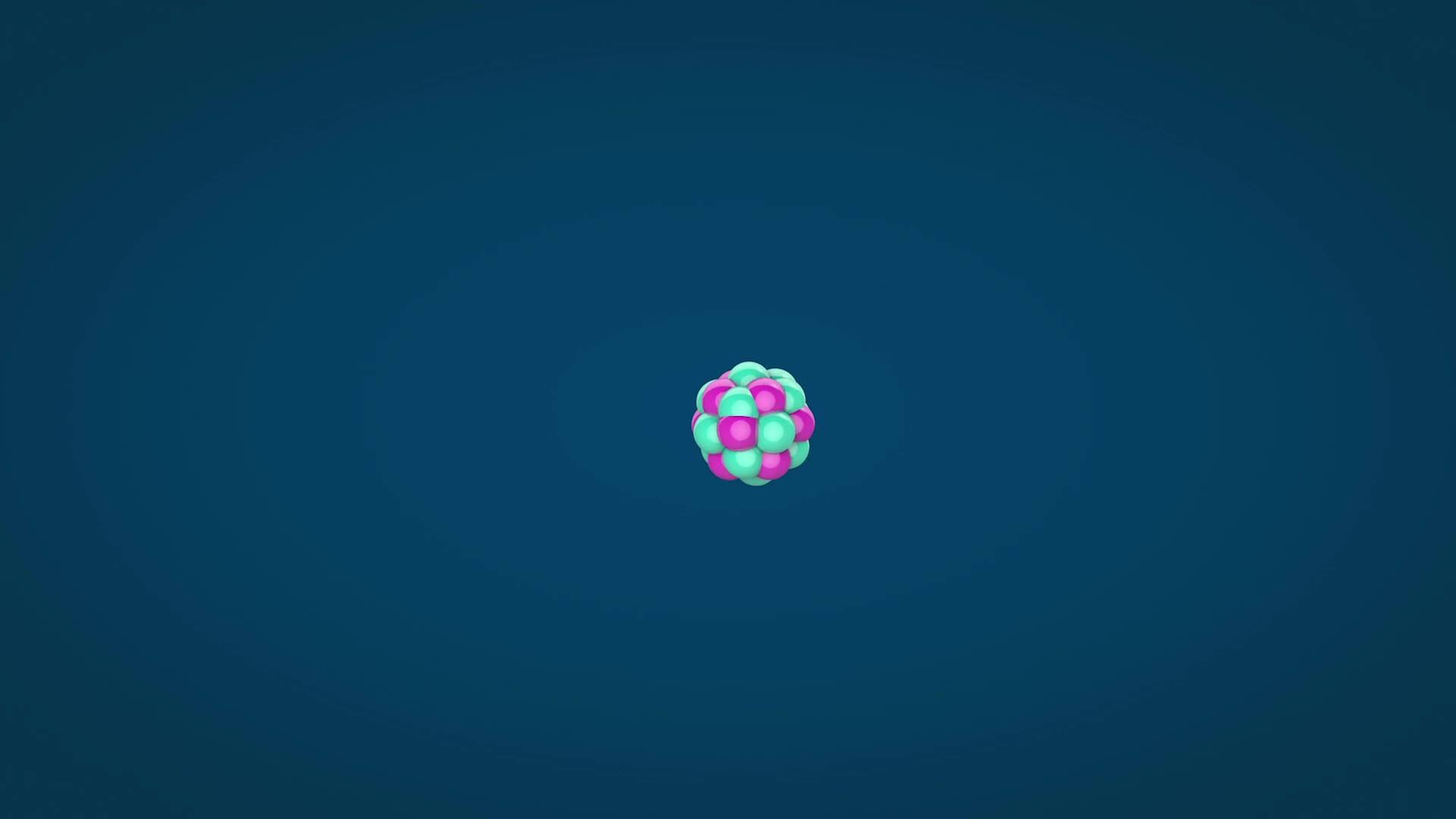

How many electrons are in the element Carbon?
2 electrons
6 electrons
4 electrons
None of the above
How would H2O be classified? Check all that apply.
Element
Molecule
Compound

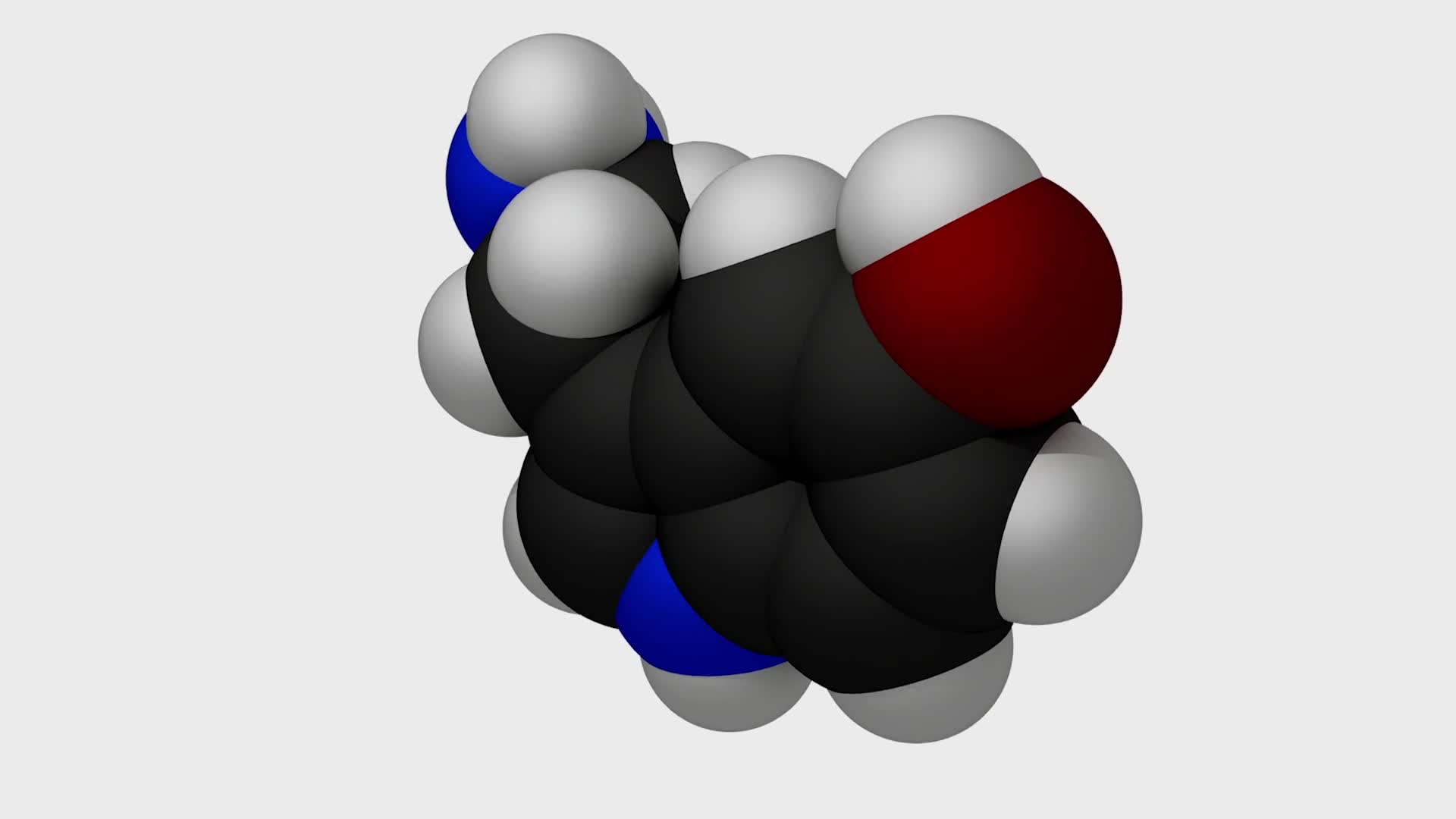
What is the picture displayed?
atom
element
compound
How would O₂ be classified. Check all answers that apply.
Element
Molecule
Compound
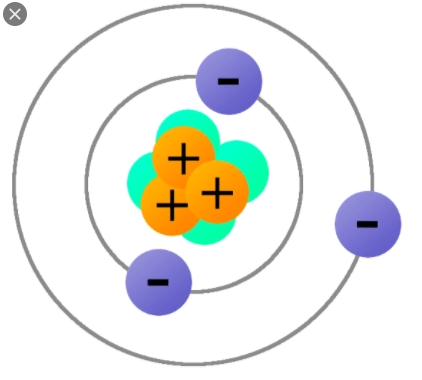
Which part of an atom is represented by the orange circles?
electrons
neutrons
protons
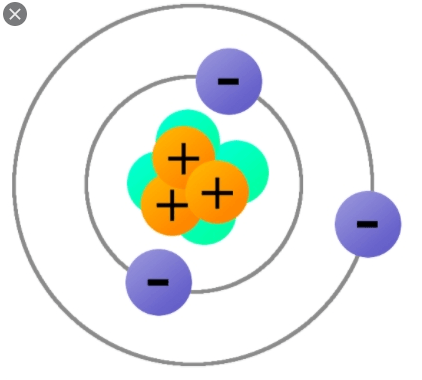
Which part of an atom is represented by the blue circles?
electrons
neutrons
protons
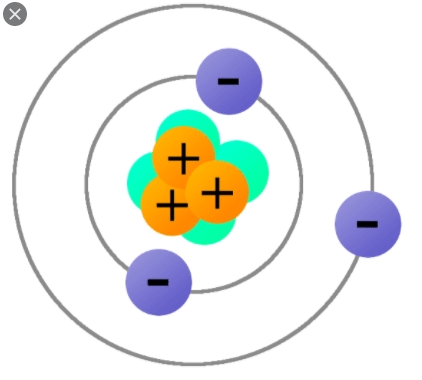
Which part of an atom is represented by the neon green circles?
neutrons
protons
electrons
Match the Chemistry terms to its definition
I am heterogeneous, with large particles
Suspension
I am homogeneous, I have a solute & Solvent
Solution
I look homogeneous, but I can be a gel or foamy
Colloid
I am anything with density/ YOU...
Matter
I am any combination
Mixture
Match the state of Matter with its properties

Solid

Liquid

Gas

Plasma
Match the change of states of Matter
Gas to Liquid
Condensation
Solid to Liquid
Melting
Gas to Solid
Deposition
Solid to gas
Sublimation
Liquid to Gas
Evaporation/Boiling

