
 Worksheets
Respiratory
Total questions: 55
Worksheet time: 41mins
Which of the following is a collapsed lung
Cystic fibrosis
Emphysema
Cyanosis
COPD
Pneumothorax
1. larynx
2. nasal cavity
3. pharynx
4. trachea
Which of the following is the correct order that air would flow during inhalation.
line up the following parts from biggest to smallest
trachea, bronchiole, bronchus, alveoli
trachea, bronchiole, alveoli, bronchi
trachea, bronchus, bronchiole, alveoli
this is also called the windpipe and is made of C-shaped rings of cartilage
larynx
pharynx
trachea
lungs
every time you swallow, the _________ covers your larynx so that food doesn't travel down your trachea
vocal cords
adam's apple
epiglottis
this moistens the air the air that enters the respiratory system
cilia
mucus
capillaries
this cleans the air that enters the respiratory system
cilia
mucus
capillaries

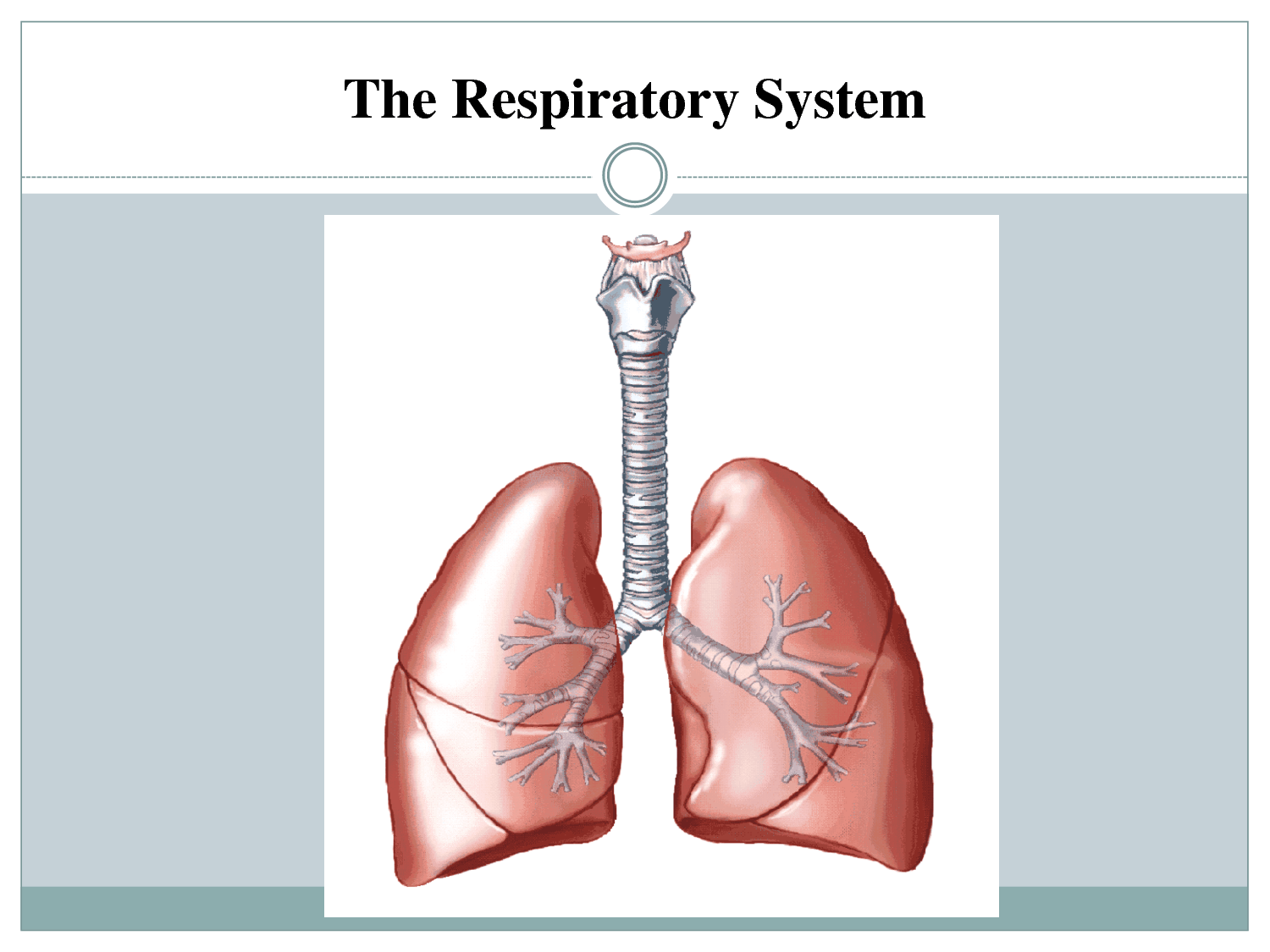
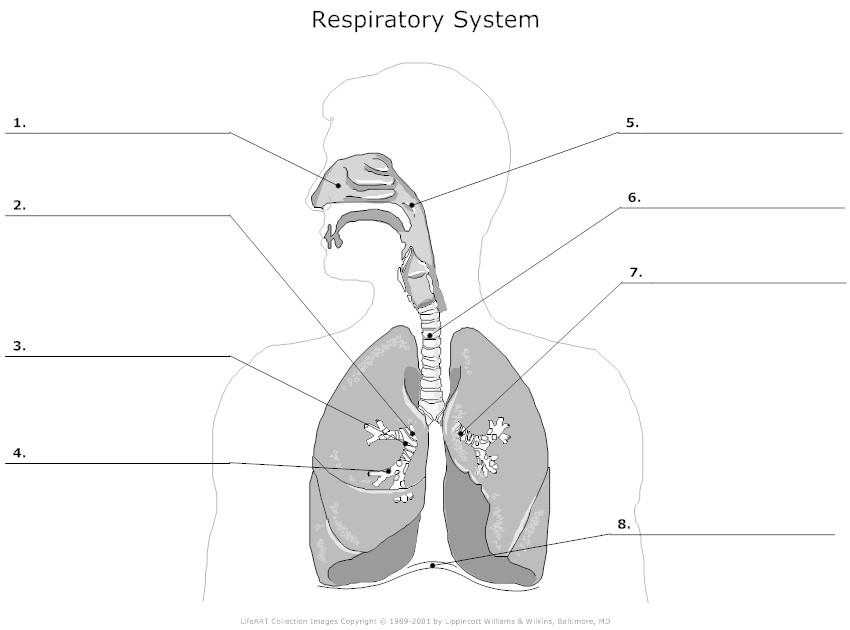
What is #10 pointing to?
right primary bronchus
alveoli
bronchiole
trachea

What is #8 pointing to?
nasal passageway
nose
right lung
left lung

What is #6 pointing to?
larynx
pharynx
trachea
bronchus

What is #1 pointing to?
larynx
pharynx
alveoli
bronchi

What is #7 pointing to?
larynx
lung
bronchiole
trachea

What is #4 pointing to?
mouth
pharynx
nasal cavity
trachea
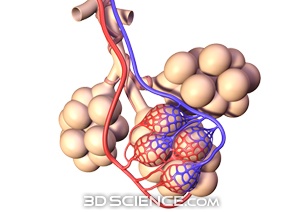
A capillary is a form of...
Gas exchange
Respiration
Blood vessel
Alveoli

What keeps your bronchi and bronchiole tubes open?
cartilage rings
ligament squares
ciliated cells
muscle

When you breathe, your lungs take in ___ and remove ___.
air/oxygen
oxygen/carbon dioxide
carbon dioxide/waste
waste/air
Which lung has 2 lobes?
Right
Left
The only externally visible part of the respiratory system
Eyes
Nose
Pharynx
Larynx
A respiratory disorder caused by a sensitivity to an allergen is ____.
asthma
bronchitis
chronic obstructive pulmonary disease
emphysema
A noninfectious, chronic respiratory condition that occurs when the walls of the alveoli deteriorate and lose their elasticity is ____.
asthma
emphysema
chronic obstructive pulmonary disease
pleurisy
The correct term for a nosebleed is ____.
rhinitis
epistaxis
pleurisy
sinusitis
An inflammation or infection of the lungs characterized by exudate in the alveoli.
pneumonia
tuberculosis
asthma
emphysema
Inflammation of the nasal mucous membrane, resulting in a runny nose, watery eyes, sneezing, soreness, and congestion.
rhinitis
pneumonia
sinusitis
epistaxis
During expiration, the diaphragm and the intercostal muscles
contract
constrict
relax
dilate

What is the diaphragm?
A muscle located under the lungs that contacts and relaxes during breathing.
Muscle found in the lower leg used to flex the knee.
A muscle that filters blood to remove waste products.
A muscle in the torso to flex the abdomen.

What are bronchi?
connects the brain and spinal cord
connects the right and left cerebral hemispheres of the brain
structures that stores bile used to digest lipids
2 short tubes that branch off of the lower end of the trachea and carry air to the lungs
periods of not breathing during sleep
pneumothorx
laryngitis
bronchitis
sleep apnea
condition of slower than normal breathing
tachycardia
tachypnea
bradycardia
bradypnea
surgical removal of the voicebox
tracheotomy
laryngitis
laryngectomy
bronchoscopy
a blood clot that obstructs blood flow in the lungs
bronchitis
pneumothorax
pulmonary embolism
nasopharynx
the use of a noninvasive device, usually placed on the finger, to measure blood oxygen level
oximetry
pneumothorax
auscultation
stethoscope
inflammation of the bronchi
bronchitis
rhinitis
pleural effusion
laryngitis
a surgical opening in the trachea
tracheostomy
bronchoscopy
pleural effusion
rhinoplasty
What is the normal respiratory rate for adults (breaths per minute)?
6-10
12-20
15-30
21-40
absence of breathing
apnea
dyspnea
bradypnea
hyperventilation
another term for hyperventilation:
bradypnea
tachypnea
bradycardia
tachycardia
a lung specialist
dermatologist
pulmonologist
anaesthesiologist
psychiatrist

When we breathe in...................enters our lungs and passes into the blood.
oxygen
carbon dioxide

When we ................... carbon dioxide leaves our body.
breathe in
breathe out

