wayground logo

Free Printable Worksheets

NEW

Font size

S
M
L
XL
Worksheets

Organelles

Total questions: 68

Worksheet time: 4hrs 22mins

Name
Class
Date
1.
To control what enters or leaves the cell is a function of _________.
a)
Cell Wall
b)
Cell Membrane
c)
Nucleus
d)
Mitochondria
2.
To convert the energy of glucose into  the  usable form of ATP is a function of _________.
a)
Cell Wall
b)
Cytoplasm
c)
Nucleus
d)
Mitochondria
3.
To provide protection and form for the plant cell is a function of _________.
a)
Cell Wall
b)
Cytoplasm
c)
Nucleus
d)
Mitochondria
4.
To convert the radiant energy of the sun into the chemical energy of glucose through the process of photosynthesis is a function of _________.
a)
Cell Wall
b)

Large Central Vacuole

c)
Chloroplast
d)
Mitochondria
5.
Protects the cell from the outside environment. (Only Plants)
a)
Cell Membrane
b)
Chloroplasts
c)
Cell Wall
d)
Vacuoles
6.
Provides support and protection for the cell while also controlling the movement of materials in and out of the cell.
a)
Cellular Membrane
b)
Nucleus
c)
Ribosomes
d)
Vacuole
7.
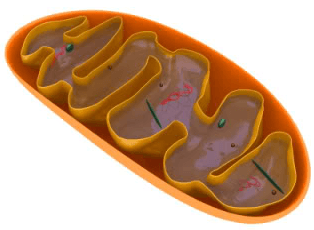
Breaks down food  to release energy. Known as the power plant of the cell.
a)
Endoplasmic Reticulum
b)
Mitochondria
c)
Ribosomes
d)
Cell Wall
8.
The control center of the cell.
a)
Nucleus
b)
Nuclear Membrane
c)
Chloroplasts
d)
Golgi Aparatus
9.
Uses energy from the sun to make food for the plant.
a)
Cell Wall
b)
Cell Membrane
c)
Chloroplasts
d)
Vacuole
10.
What organelle is called the "powerhouse" of a cell?

a)
Endoplasmic Reticulum
b)
Nucleus
c)
Mitochondria
d)
Nucleolus
11.
What are tiny organelles that convert glucose into ATP?
a)
Ribosomes
b)
Vesicles
c)
Cytoskeleton
d)
Mitochondria
12.
A rigid layer that lies outside the cell's  membrane is...
a)
Cytoskeleton
b)
Cilia
c)
Cell Wall
d)
Flagella
13.
This organelle is a rigid outer layer that protects plant cells.
a)
Cell Membrane
b)
Cell Wall
c)
Nucleus
d)
Chloroplast 
14.
This organelle controls what goes in and out of plant and animal cells.
a)
Cell Wall
b)
Cell Membrane
c)
Cytoplasm
d)
Cytoplasm
15.
An organelle that captures energy from the sunlight in order to use it to produce food in plant cells is ______________.
a)
Chromatin
b)
Chloroplast
c)
Cytoplasm
d)
Cell Membrane
16.
TRUE OR FALSE:  The Mitochondria produces energy for plant and animal cells.
a)
TRUE
b)
FALSE
17.
The _____________ holds the DNA, and controls the functions of plant and animal cells.
a)
Nucleus
b)
Nuclear Membrane
c)
Nucleolus
d)
New Moon
18.
In what organelle is the genetic material found inside?
 
a)
Endoplasmic Reticulum
b)
Golgi Complex
c)
Nucleolus
d)
Nucleus
19.
What organelle is called the "powerhouse" of a cell?

a)
Endoplasmic Reticulum
b)
Nucleus
c)
Mitochondria
d)
Nucleolus
20.
Using this image, what organelle is C?
a)
Cell Wall
b)
Mitochondria
c)
Large Cell Vacuole
d)
Chloroplast
21.
What is the function of nucleus?
a)
Structure that organizes motion of chromosomes. 
b)
Structure that contains DNA and directs the cell 
c)
Membrane that surrounds and protects the cell 
d)
Stack of membranes that packages chemicals
22.
This organelle helps plants keep their rigid structure. 
a)
Cell wall
b)
Cell membrane
c)
Chloroplast
d)
Nucleus
23.
I am the outer most layer of an animal cell. What am I?
a)
cell wall
b)
nucleus
c)
cell membrane 
d)
cell skin
24.
What organelle is considered to be the “gatekeeper” for plant and animal cells?

a)
Cell Wall
b)
Cytoplasm
c)
Nucleous
d)
Cell Membrane
25.
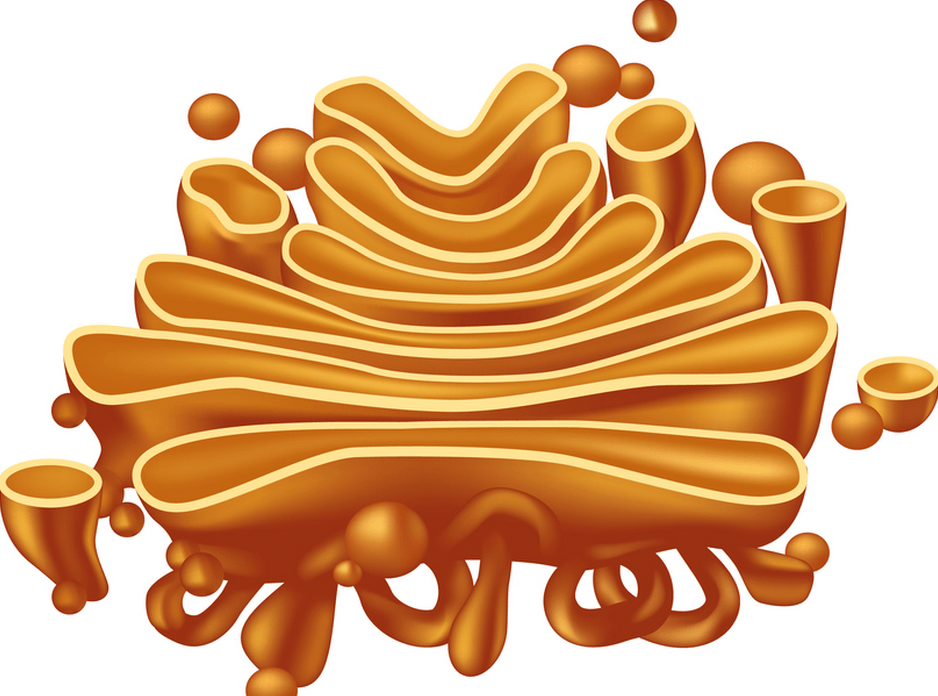
The Golgi apparatus _____.
a)
packages cell products for export
b)
eliminates waste
c)
stores DNA
d)
makes energy
26.
Which organelle is only found in a plant cell? 
a)
nucleus
b)
chloroplast
c)
mitochondria
d)
cell membrane
27.
This organelle creates energy.
a)
Nucleus
b)
Ribosome
c)
Mitochondria
d)
ER
28.
Where is DNA stored in a cell? 
a)
Lysosomes
b)
Golgi Complex
c)
Ribosomes
d)
Nucleus
29.
What is the fluid inside a cell called? 
a)
Endoplasimic Reticulum
b)
Orange Juice
c)
Water
d)
Cytoplasm
30.
This organelle helps plants keep their rigid structure. 
a)
Cell wall
b)
Cell membrane
c)
Chloroplast
d)
Nucleus
31.
This organelle makes proteins. 
a)
Cell membrane
b)
Nucleus
c)
Ribosome
d)
ER
32.
Plant and animal cells are identical. 
a)
True
b)
False
33.

protective barrier that encloses all cells

controls the movement of materials into and out of the cell

a)

cell membrane

b)

cell wall

c)

endoplasmic reticulum

d)

golgi body

34.
Which organelle uses chemicals to break down food and worn out cell parts?
a)
cytoplasm
b)
ribosomes
c)
lysosome
d)
mitochondria
35.
The two kinds of cells are Prokaryotes and Eukaryotes. How are they different?
a)
Prokaryotes have a nucleus.
b)
Eukaryotes have a nucleus.
c)
Prokaryotes are plant cells.
d)
There is no difference.
36.
What cell part is NOT found in all cells?
a)
Cell Wall
b)
Cell Membrane
c)
Cytoplasm
d)
Genetic Material
37.
Every living organism is made up of one or more cells
a)
True
b)
False
38.
Which of the following are NOT found in animal cells
a)
chloroplasts and cytoplasm
b)
chloroplasts and cell wall
c)
cell wall and cell membrane
d)
mitochondria and nucleus
39.
Cells with a nucleus and membrane-bound organelles are called ____________________.
a)
prokaryotes
b)
eukaryotes
c)
bacteria
d)
protists
40.

"Small organs" of the cell that carry out specific functions

a)

Organelles

b)

Organs

c)

Cell Wall

d)

Cell

41.

Multicellular means...

a)

made of one cell

b)

made of many cells

42.

What is the nucleus?

a)

A part of the cell that tells everything else what to do.

b)

An organ that makes you healthy.

c)

A wall that protects everything in the cell.

43.

Using this image, what organelle is C?

a)

Cell Wall

b)

Mitochondria

c)

Large Cell Vacuole

d)

Chloroplast

44.

Name structure #5.

a)

ER

b)

nucleus

c)

vesicle

d)

cytoplasm

45.
Name structure #6.
a)
rough ER
b)
Golgi body
c)
Smooth ER
d)
cytoplasm
46.
What is the structure labeled #5?
a)
Vacuole
b)
Chloroplast
c)
Mitochondria
d)
Lysosome
47.
What is the structure labeled #9?
a)
Cell Wall
b)
Cytoplasm
c)
Chloroplast
d)
Mitochondria
48.
What is the structure labeled #8?
a)
Vacuole
b)
Golgi body
c)
Nucleus
d)
Lysosome
49.
What is the structure labeled #4?
a)
Vacuole
b)
Cell wall
c)
Cytoplasm
d)
Cell membrane
50.
What is the structure labeled #2?
a)
Lysosome
b)
Vesicle
c)
Ribosome
d)
Mitochondria
51.
What is the structure labeled #10?
a)
Cell membrane
b)
Cell wall
c)
Cytoplasm
d)
Centriole
52.

makes ribosomes

a)

enodplasimic reticulum

b)

golgi body

c)

nucleus

d)

nucleolus

53.
Jellylike space between the membrane and the nucleus.
a)
cell wall
b)
chloroplast
c)
cytoplasm
d)
mitochondria
54.
I am a protein packaging and shipping machine! Who am I?
a)
vacuole
b)
ribosome
c)
mitochondrion
d)
golgi apparatus
55.
What produces proteins that helps the cell grow? 
a)
vesicle
b)
cell membrane
c)
mitochondria
d)
ribosomes
56.
What stores food, water, or waste? 
a)
vacuole
b)
tissue
c)
vesicle
d)
nucleus
57.
You might think of me as the trash collector, but recycler is maybe more accurate. What am I?
a)
mitochondria
b)
lysosome
c)
vacuole
d)
ribosome
58.
Directs all cell activities through the DNA located there.
a)
Lysosomes
b)
Nucleus
c)
ribosomes
d)
Mitochondria
59.
This organelle is a rigid outer layer that protects plant cells.
a)
Cell Membrane
b)
Cell Wall
c)
Nucleus
d)
Chloroplast 
60.
This organelle controls what goes in and out of plant and animal cells.
a)
Cell Wall
b)
Cell Membrane
c)
Cytoplasm
d)
Cytoplasm
61.
This organelle is like a train station in a city.  It can be found in both plant and animal cells.  This organelle has passageways within the cell that carry proteins and other materials from one part of the cell to another.
a)
Endoplasmic Reticulum
b)
ET
c)
Golgi Bodies
d)
Nucleolus
62.
The _____________ is like JELL-O, and is a gel-like fluid that fills plant and animal cells, and is where the organelles are found.
a)
Cytoplasm
b)
Cell Membrane
c)
Cell Wall
d)
JELL-O
63.

Label B

a)

cell membrane

b)

ribosome

c)

lysosome

d)

mitochondria

64.
Label D
a)
mitochondria
b)
ribosome
c)
vacuole
d)
endoplasmic reticulum
65.
Label I
a)
nucleolus
b)
lysosome
c)
cytoskeleton
d)
nucleus
66.
Label G
a)
rough endoplasmic reticulum
b)
smooth endoplasmic reticulum
c)
mitochondria
d)
golgi apparatus
67.

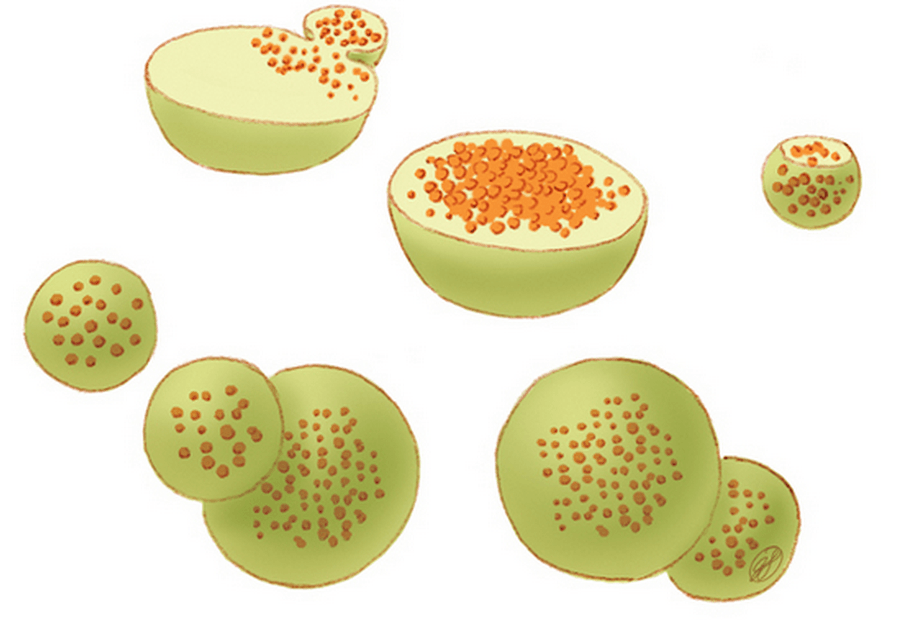
This organelle is often found outside of the golgi bodies. It is packaged & processed by the golgi bodies.

a)

vesicles

b)

ER

c)

Ribosomes

d)

DNA

68.

The 2 organelles which help to give structure & shape to t he plant cell are:

a)

Nucleus & Cell Membrane

b)

Cell Membrane & Cell Wall

c)

Cell Wall & Cytoplasm

d)

Cell Wall & Vacuole