Worksheets
Science Final Review
Total questions: 65
Worksheet time: 44mins


1 Which of the following correctly shows how energy flows through a food chain?
A) Sun --> carnivores --> producers --> herbivores
B) Sun --> producers --> herbiovres --> carnivores
C) Sun --> herbivores --> carniviores --> herbivores
D) Sun --> producers --> carnivores --> herbivores
The two PRODUCTS of photosynthesis are
Water and Oxygen
Water and Carbon Dioxide
Glucose and Oxygen
Glucose and Carbon Dioxide
What are the products of cellular respiration? Choose 3.
water
ATP
Oxygen
Sunlight
Carbon Dioxide
Which element is required during aerobic respiration?
oxygen
hydrogen
nitrogen
It doesn’t need oxygen.
Aerobic respiration
Anaerobic respiration
Where is the least amount of energy available in an energy pyramid?
The very bottom level
Secondary consumer level
The very top level
Primary consumer level

Barnacles create home sites by attaching themselves to whales. In this relationship, the whales are neither harmed nor benefited. What type of symbiosis is this relationship?
parasitism
commensalism
mutualism
Honey guide birds alert and direct badgers to bee hives. The badgers then expose the hives and eat the honey first. Then the honey guide birds eat what is left. What type of symbiosis is this relationship?
mutualism
commensalism
parasitism
In a parasitic relationship, one organism is ______ and the other organism is benefiting.
benefited
harmed
unaffected

The largest number of individuals that an environment can support long term is...
carrying capacity
emigration
immigration
population density
What is NOT an example of limiting factors?
Predation
Food Source
Space
Migration

Carrying capacity is...
The maximum number of individuals that can fit into an area
Ability of an area to accommodate a growing population
The greatest # of individuals an area can support over time.
The maximum number of species that can co-exist in an area
The average kinetic energy of particles of matter is called _____.
temperature
thermal energy
heat
What is a transfer of heat energy by electromagnetic waves through space?
conduction
convection
radiation

STOPS or slows down the transfer of thermal energy:
Conductor
Insulator
Sound waves cannot travel through:
solids
liquids
gasses
empty space
Select the correct order of waves on the EMS from low to high energy
Radio, Micro, Infra, Visible, Ultra, X-ray, Gamma
Gamma, X-ray, Ultra, Vis, Infra, Micro, Radio
Vis, Micro, Infra, Ultra, X-ray, Gamma, Radio
Micro, Radio, Vis, Infra, Ultra, X-ray, Gamma
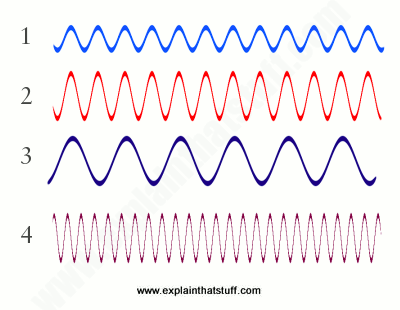


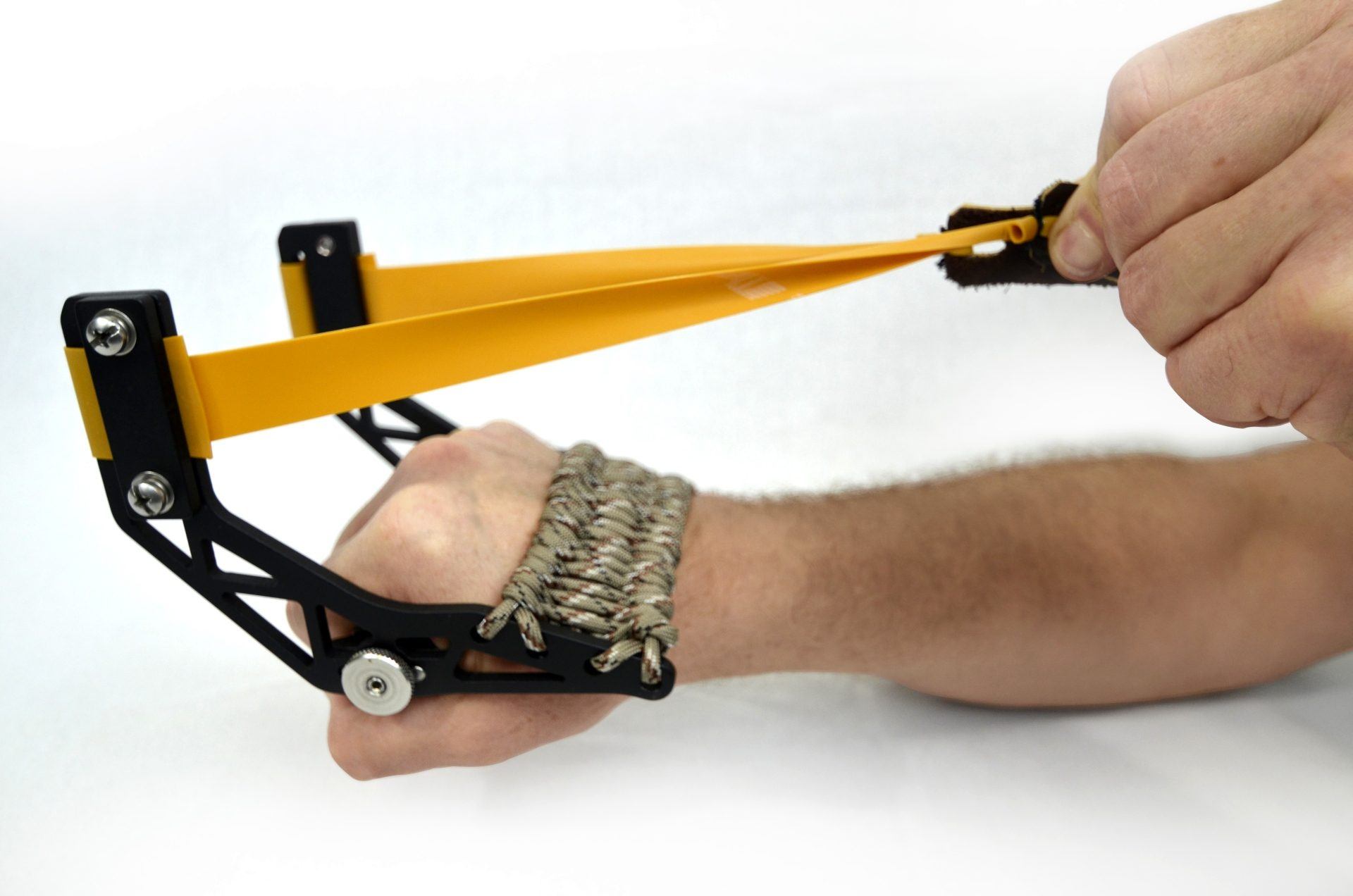
What type of wave is pictured?
Transverse wave
Longitudinal wave
Wave, what wave?
Slinky wave



When sugar dissolves in water a ______________ change occurs.
Physical change
Chemical Change

Burning Sugar is an example of a ________________ change.
Physical Change
Chemical Change


When a mixture of oxygen and hydrogen is ignited in a test tube, the reaction shown occurs. What happens to the total mass of the contents of the test tube?
The total mass increases.
The total mass decreases.
The total mass remains the same.
Part of the mass is changed to heat energy.

matter cannot be...
added or paired
created or destroyed
a compound or made
changed or bonded

Why does this picture demonstrate the Law of Conservation of Mass?
the number of atoms of each element are the same on both sides
they start out separate and end up combined
the same elements are used
it doesn't demonstrate the Law of Conservation of Mass
Exo means out or ________.
absorbed
released

What are the components of the electromagnets?
battery, wire and bulb
battery , copper wire and paper clips
battery, copper wire and iron nail
battery, wire and aluminum

What would happen if you took one end of the wire off the battery?
The nail will be a magnet.
The nail would no longer be a magnet
Nothing will happened.
The nail will heats up.
What factors effect the strength of static electricity?
mass and distance
the amount of charge and distance between objects
positive and negative charge
size of the objects

controls movement of materials in and out of the cell, maintains homeostasis
cell membrane
cell wall
chloroplast
cytoplasm
Which of these is not found in the animal cell and is found in the plant cell? Pick more than one
cell membrane
cell wall
chloroplast
cytoplasm
Invasive species alter the ecosystem by ______ in number quickly. This leads to ______ food for the native species.
increasing, less
increasing, more
decreasing, less
decreasing, more
What is an invasive species?
A native (naturally found) species which are added to an area
An organism that is new to an environment and has a negative effect on that environment.
A keystone species in an environment
none of the above
Why do the populations of invasive species grow so quickly?
Invasive Species are native to an area.
Invasive species are prey to many animals.
Invasive species have no natural predators.
Invasive species keep the ecosystems in equilibrium.
A structure made up of different types of tissue and performs a specific job.
cells
tissue
organ
organ system
Which of the following is the correct order of the Levels of Organization (smallest to largest)
Cell, organ, organ system, organism, tissue
Cell, tissue, organ, organ system, organism
Organism, organ system, organ, tissue, cell
Organ, cell, organism, tissue, organ system