
 Worksheets
Plumbing Science Level 1, Properties of water
Total questions: 46
Worksheet time: 23mins
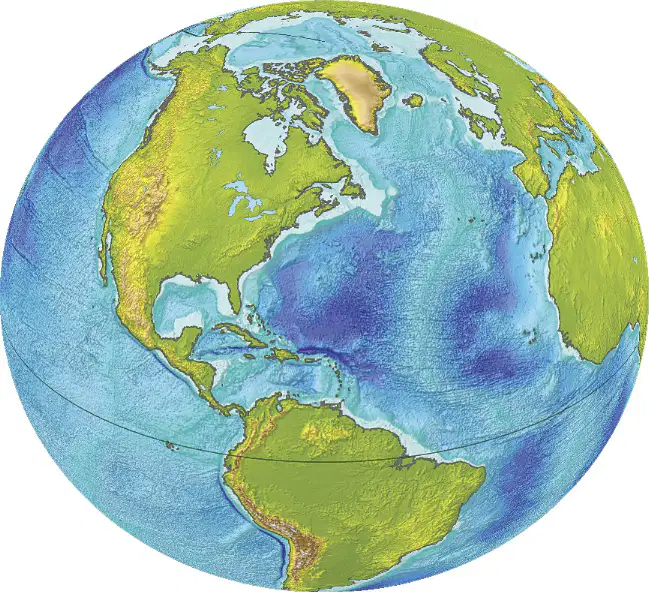
What is the most abundant compound on Earth?
Oxygen
Water
Carbon Dioxide
Nitrogen
Approximately what percentage of Earth's surface is covered by water?
50%
60%
70%
80%
What are the properties of water in its purest form?
Colorless, odourless, and tasteless
Colorful, fragrant, and sweet
Bitter, odourless, and colorful
Sweet, fragrant, and tasteless
What causes the taste in water?
The minerals dissolved in it
The temperature of the water
The color of the water
The source of the water
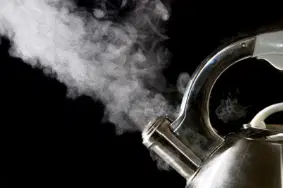
In how many states of matter can water exist?
One
Two
Three
Four
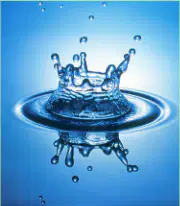
Which of the following is NOT a state of matter in which water can exist?
Solid
Plasma
Fluid
Gas
What is the freezing point of pure water at sea level?
0°C (or 273K)
100°C (or 373K)
-10°C (or 263K)
50°C (or 323K)
How can the freezing point of water be lowered in plumbing systems?
By adding salt
By adding anti-freeze (glycol)
By increasing the temperature
By decreasing the pressure
What happens to the freezing point of water if the surrounding pressure is increased above sea level?
It increases
It decreases
It remains the same
It becomes unpredictable
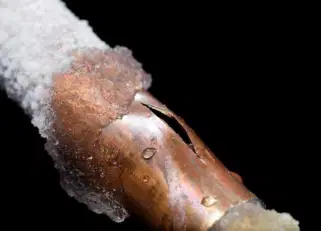
What happens to water molecules when water freezes?
They move further apart.
They become gaseous.
They are packed together to form a solid.
They dissolve in air.
By what percentage does water expand when it freezes?
5%
10%
15%
20%
What is a common problem caused by water freezing in pipes?
Pipes become more flexible.
Pipes contract and shrink.
Pipes burst due to expansion.
Pipes become insulated.
At what temperature does water reach its maximum density?
0°C
2°C
4°C
10°C
What happens to water molecules as the temperature rises above 0°C?
They freeze and become solid.
They move closer together.
They become further apart and able to move.
They evaporate immediately.
What is the boiling point of water in degrees Celsius?
90°C
100°C
110°C
120°C
By how many times does water expand when it turns into steam at boiling point?
1000 times
1200 times
1600 times
2000 times
What happens to water molecules at boiling point?
They contract and move closer together.
They remain the same size but move faster.
They expand and move further apart.
They become solid and stop moving.
What is a key factor to consider in plumbing systems regarding water?
Temperature
Density
Color
Taste
How are molecules arranged in a solid state of water?
Tightly packed together
Able to move around
Able to move freely
Randomly scattered
What happens to the density of water when it is in a gaseous state?
It becomes heavier
It remains the same
It becomes lighter
It becomes denser
What is the movement called when colder/heavier parts move downwards and warmer/lighter parts move upwards in a liquid or gas?
Conduction
Radiation
Convection
Evaporation
In the context of water properties, what causes movement within a liquid or gas?
Differences in pressure
Differences in temperature
Differences in volume
Differences in density
What happens to water when it is heated unevenly around a heat source?
It cools down uniformly.
It remains at a constant temperature.
It warms more quickly near the heat source.
It evaporates immediately.
What is the process called when hotter, lighter water rises and cooler, denser water falls in a hot water system?
Thermal expansion
Gravity circulation
Convection current
Heat transfer
What effect does gravity have on the movement of water in a hot water system?
It causes water to evaporate.
It makes water freeze.
It causes cooler water to rise.
It causes cooler water to fall.
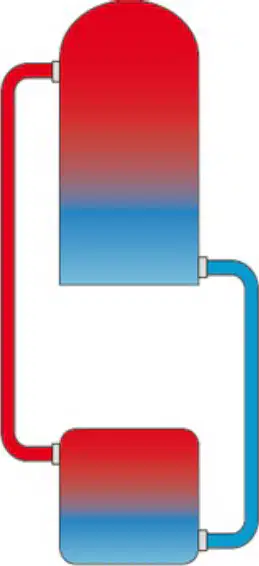
What is the principle behind gravity circulation in water systems?
Hot, less dense water rises and cooler, dense water falls.
Cooler, less dense water rises and hot, dense water falls.
Water moves in a circular motion due to external pressure.
Water remains static and does not circulate.
What type of system is described as having gravity circulation in plumbing studies?
Direct system
Indirect system
Closed system
Pressurized system
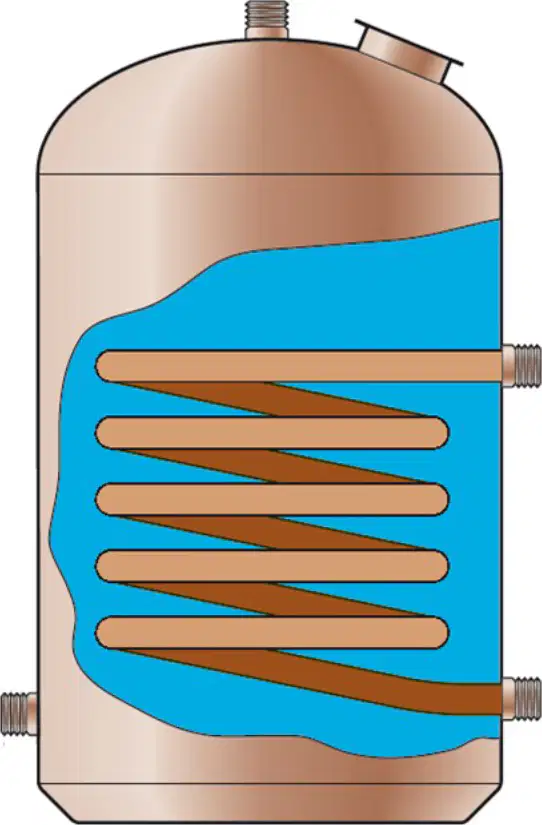
What is the process called when water inside a hot water cylinder circulates due to being heated by a coil or an immersion heater?
Forced circulation
Gravity circulation
Convection circulation
Pressure circulation
What is the boiling point of water at sea level?
0°C
4°C
100°C
273K
At what temperature does water reach its maximum density?
0°C
4°C
100°C
273K
By what percentage does water expand between 4°C and 99°C?
10%
4%
1600%
100%
How much does steam expand compared to water?
10 times
100 times
1600 times
4 times
What is the freezing point of water?
0°C or 273K
4°C
100°C
99°C
Which of the following is a property of water mentioned in plumbing studies?
Density
Solubility
Viscosity
Transparency
What term is used to describe water that is not hard?
Alkaline
Soft
Acidic
Wholesome
Which property of water refers to its ability to dissolve substances?
Hard
Wholesome
Solubility
Alkaline
What is the term used for water that has a high pH level?
Acidic
Hard
Alkaline
Soft
What property of water allows it to dissolve many substances while remaining liquid?
Solubility
Density
Viscosity
Conductivity
Which of the following is an example of substances dissolving in water?
Coffee, sugar, and milk in water
Oil floating on water
Sand settling in water
Metal sinking in water
What impurities can rain pick up from the air that may lead to the formation of acid rain?
Oxygen and nitrogen
Carbon and sulphur
Hydrogen and helium
Calcium and magnesium
What effect do the minerals dissolved by rainwater have on the water?
They increase the water's temperature
They change the water's color
They affect the pH value of the water
They make the water evaporate faster
What does "wholesome water" refer to according to the 1999 Water Regulations?
Water that is safe to drink
Water used for irrigation
Water that is untreated
Water used for industrial purposes
According to the regulations, which part of a property must have wholesome water supplied to it?
Bathroom sink
Kitchen sink
Garden hose
Swimming pool
What does a pH level of 7 indicate about a substance?
Acidic
Neutral
Alkaline
Corrosive
Which pH level is considered acidic?
6
7
8
3
What is the effect of water with a high pH level?
Acidic corrosion
Neutrality
Limescale, blocking less efficient
Increased acidity

