
 Worksheets
Thermochemistry Review
Total questions: 60
Worksheet time: 4hrs 34mins
How does heat move?
from a warmer to a cooler object
from a cooler to a warmer object
toward a hot object
away from a cold object
Energy transmitted by electromagnetic waves
conduction
convection
radiation
__________ is the transfer of heat by the movement of a fluid.
Conduction
Convection
Radiation

When you touch hot sand, heat is transferred by _________ to your skin.
conduction
convection
radiation

Two fluids, one warm and one cold, mix. The warm fluid rises and the cool fluid sinks
Conduction
Convection
Radiation
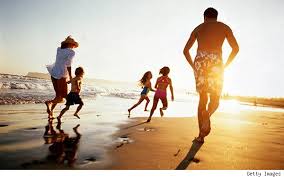


A huge rock at the state park gets hot during the day. The rock was warmed from the Sun by
conduction
convection
radiation

The Sun's heat reaches the Earth through the vacuum of space.
Radiation
Conduction
Convection
none of these

A toaster oven heats the air inside, creating cycles of hot air that warm food.
Radiation
Conduction
Convection
none of these

You touch a warm light bulb and it burns you.
Radiation
Conduction
Convection
none of these

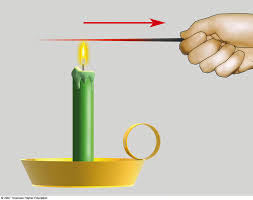
This flame is hotter than the air around it. Which of the following describes how the heat will be transferred?
The heat will flow from hot to cold
The heat will flow from cold to hot
The heat will flow equally in both directions
none of these
define heat
The transfer of heat by the movement of a fluid
The transfer of heat between two substances that are in direct contact.
Is thermal energy that is transferred from hotter object to a cooler object.
What are the 3 scales of temperature
Fahrenheit
Celsius
Degree
Kelvin
Calvin

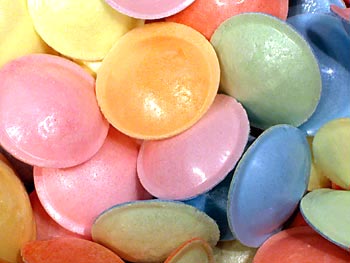
O2(g) + 2 H2 (g) → 2 H2O (g) + Energy
endothermic
exothermic
6 CO2+ 6 H2O + Energy → C6H12O6 + 6 O2
endothermic reaction
exothermic reaction
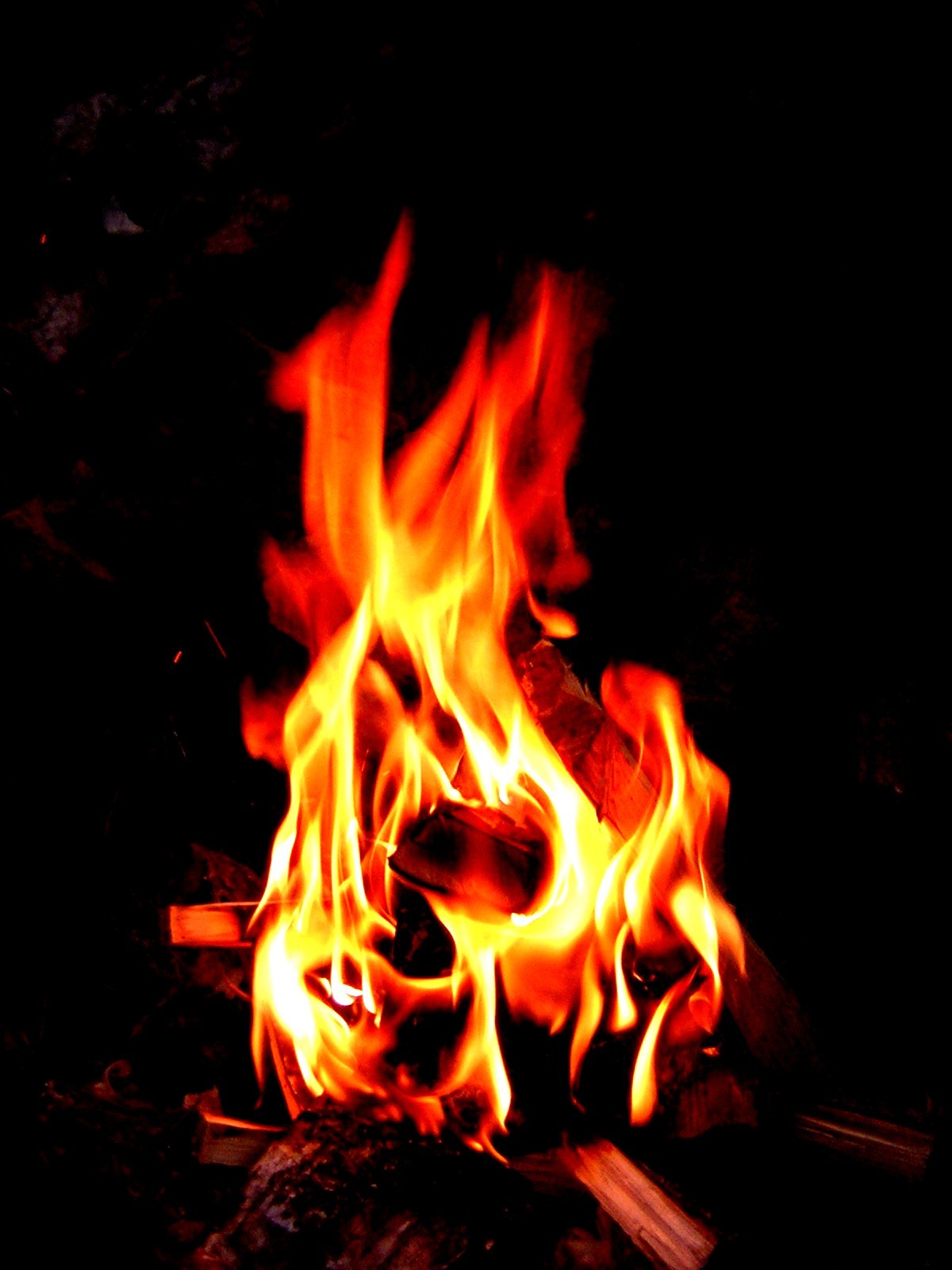
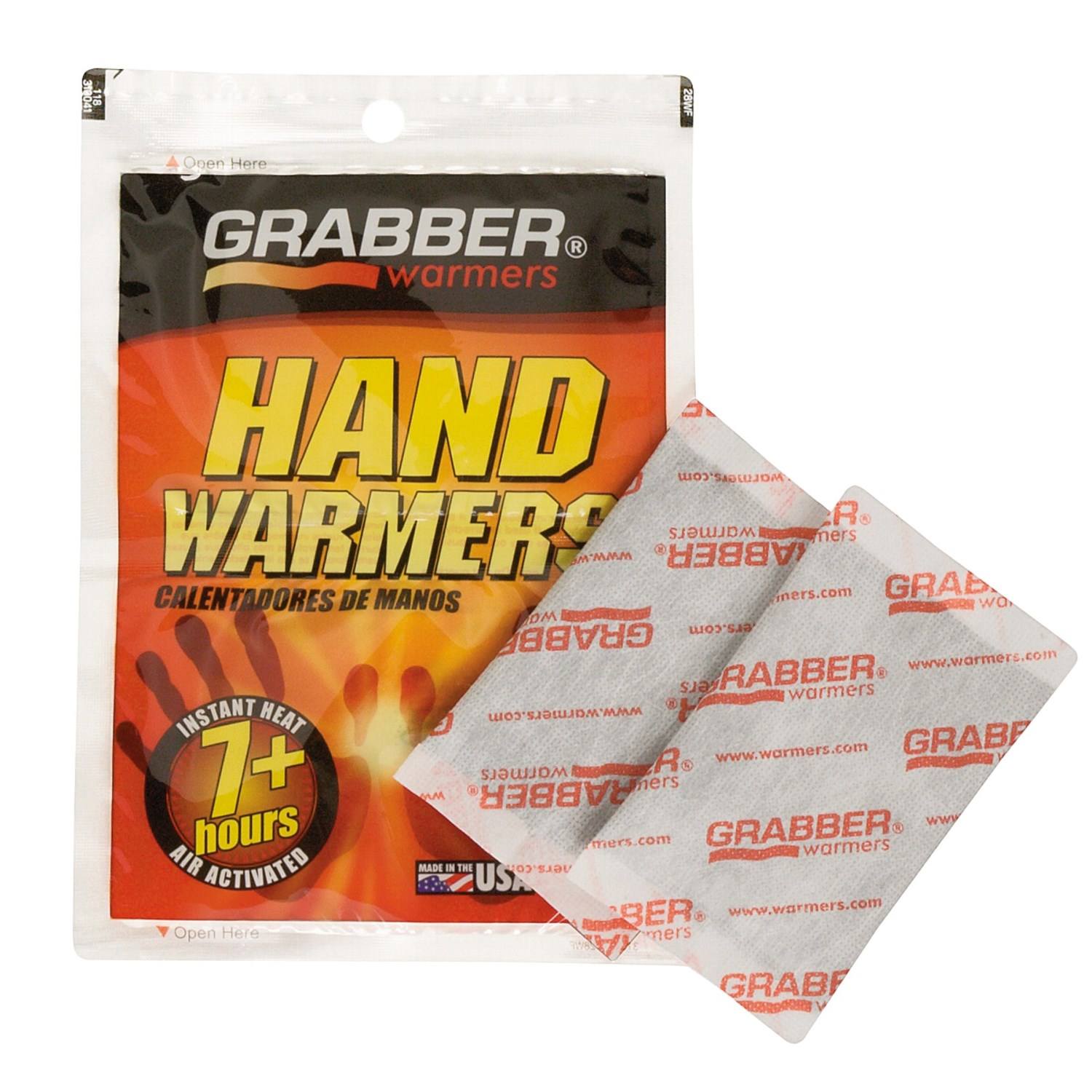
_____ reactions usually feel hot!
endothermic
exothermic
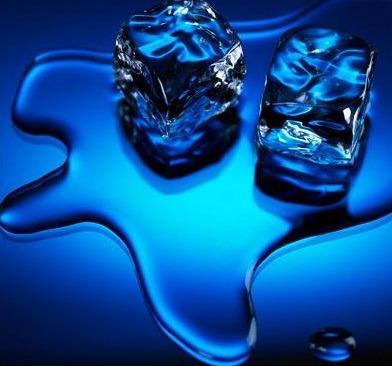
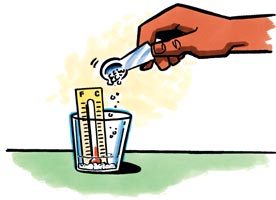
____ reactions usually feel cold.
endothermic
exothermic

Is this endothermic or exothermic?
exothermic
endothermic

What type of reaction is modeled?
endothermic
exothermic
If two objects have different temperatures when they come in contact, heat will flow from the warmer object to the cooler one UNTIL ____________
one reaches a temperature of zero
they both have an equal temperature
one runs out of energy
For a skillet, used for cooking, do you want a high or low specific heat
High, so that it will need more energy to heat up
Low, so that it will change temperature quickly
What does "q" mean?
A measure of heat energy
A change in heat energy
A measure of kinetic energy
A change in temperature
What does "ΔT" mean?
A change in health
A change in heat
A change in height
A change in temperature


What letter do we use to represent mass?
Q
m
c
ΔT
What letter do we use to represent specific heat?
Q
m
c
ΔT
Which one will have the SMALLEST change in temperature?
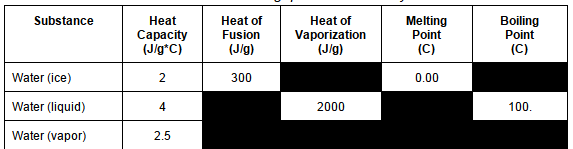
How many Joules of energy are required to change 10 gram of ice at -2 C to water at 20 C? (Specific heat of water is 4.18 J/g°C)
What is the change in temperature when 50,000 Joules of energy is added to 200 grams of water at 25 C? (Specific heat of water is 4.18 J/g°C)
How many Joules of energy are required to change 10 gram of water from 20 C to 90 C? (Specific heat of water is 4.18 J/g°C)

