
 Worksheets
respiratory system
Total questions: 133
Worksheet time: 2hrs 40mins
Which of the following is the main function of the respiratory system?
Obtains oxygen and remove carbon dioxide from the body
Transports oxygen and nutrients to the body cells
Protects the body from invading organisms
Which of the following is the correct pattern of airflow inhalation?
NASAL CAVITY-PHARYNX-TRACHEA-BRONCHI-BRONCHIOLES-LUNGS
NASAL CAVITY-PHARYNX-ALVEOLI-BRONCHI-BRONCHIOLES-LUNGS
NASAL CAVITY-THROAT-LARYNX-WINDPIPE-BRONCHI-LUNGS
Which of the following is the main muscle for breathing?
Intercostal Muscle
Diaphragm
Sternocleidomastoid
During inhalation, contraction of the diaphragm and the intercostal muscle cause the lung /thoracic cavity to __________ and the air pressure in lungs to _____________.
Contract; Decrease
Expand: Increase
Contract; Increase
What is the anatomically correct name of the windpipe?
Pharynx
Larynx
Trachea
Which of the following structures is NOT part of the upper respiratory tract?
lungs
epiglottis
pneumothorax
Which of the following is the function of alveoli in respiration?
Helping the lungs to stay inflated
Gaseous exchange
Relaxation
The cells that make and secrete mucus that protects the lining of the respiratory tract are called:
alveolar cells
goblet cells
pneumothorax
Ventilation (breathing) is a regular, rhythmic process which:
moves air into and out of the lungs
protects the airways by clearing them of mucus or irritants
moves gases from an area of high concentration to an area of lower concentration
Living cells need a continuous supply of oxygen
FACT
BLUFF
Oxygen moves from alveoli to the blood capillaries that line the alveolar walls
FACT
BLUFF
The circulatory system works with the ___________ system to provide our body with oxygen and get rid of CO2 (carbon dioxide).
respiratory
digestive
muscular
skeletal

What type of cells carry oxygen in the blood?
red blood cells
white blood cells
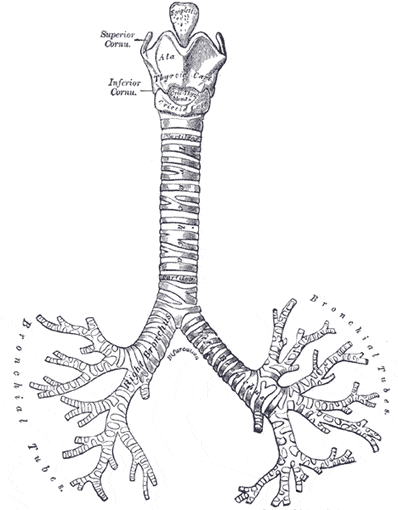

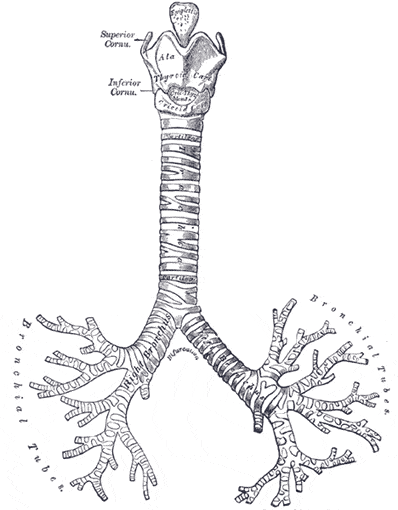
These are the two two main branches from the trachea (one to each lung)
bronchi
alveoli
capillaries
bronchioles
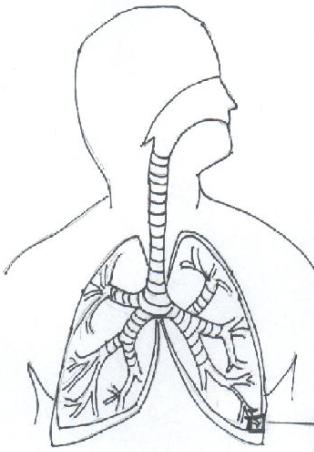
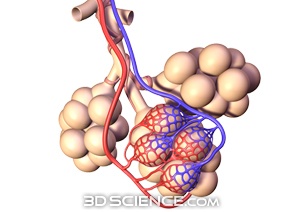
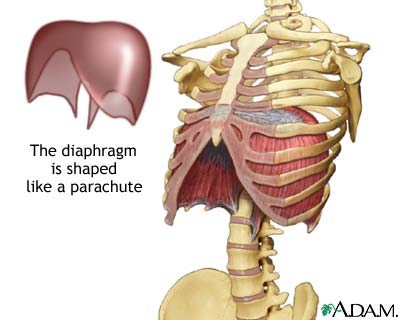
What is function of the dome-shaped diaphragm muscle?
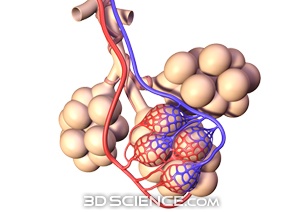
This is where gas exchange happens.
Air passes through the diaphragm on the way to the lungs.
It attaches to the lungs and contracts and relaxes to help in breathing.
What are the main organs of the respiratory system that allow us to breathe and for gas exchange to happen?
diapragm
lungs
trachea
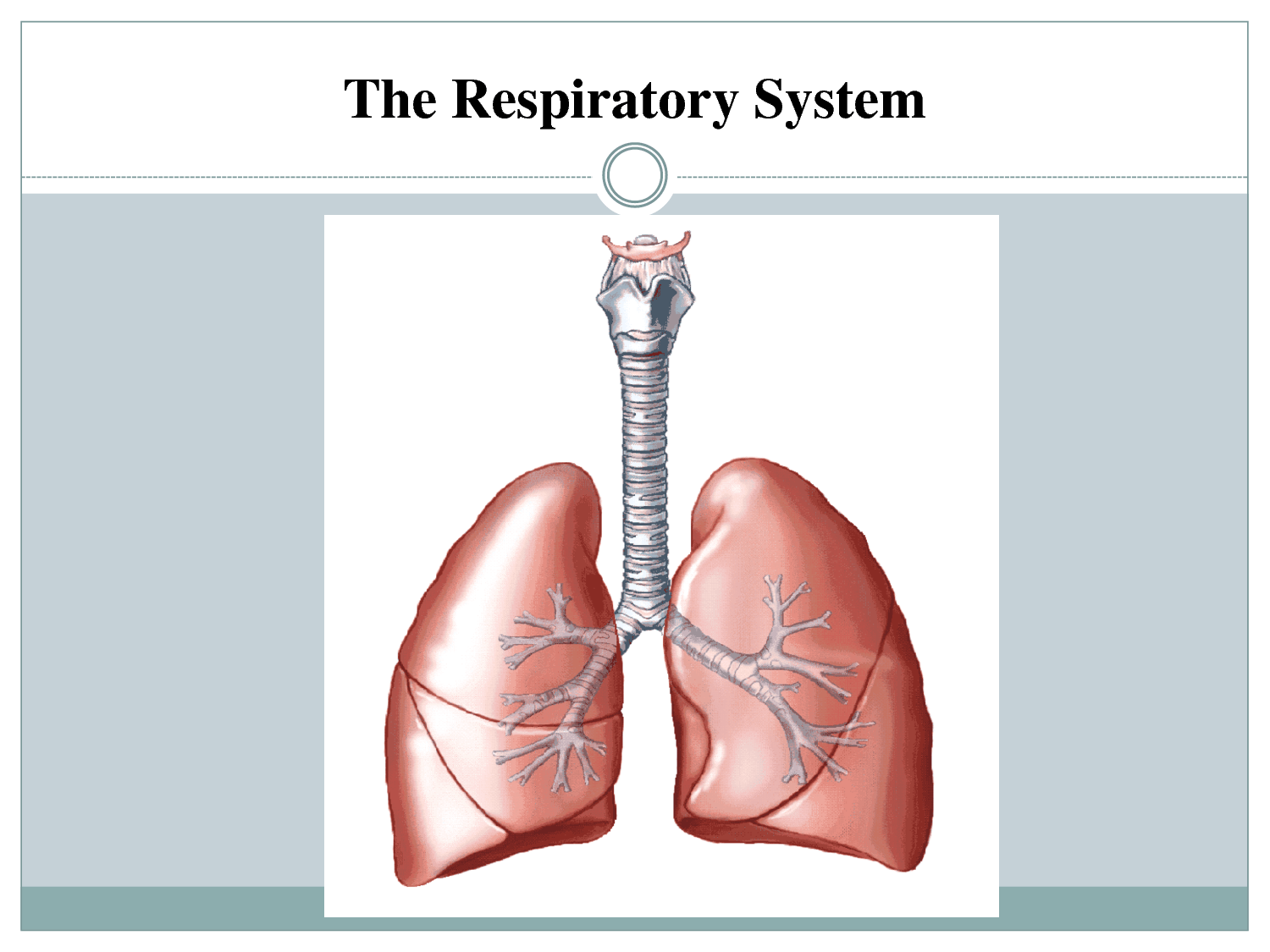
What is the main function of the respiratory system?
to provide oxygen and remove carbon dioxide from the body
o break down food and absorb nutrients
to remove oxygen from the body and deliver carbon dioxide

tiny sacs of lung tissue specialized for the movement of gases between air and blood.
lungs
bronchi
alveoli
diaphragm
tiny, hairlike projections in the airway that move in a wavelike manner.
alveoli
cilia
trachea
lungs
the windpipe; a passage through which air moves in the respiratory system.
trachea
lungs
larynx
bronchi
What word best describes the function of the trachea?
Pumping station
Entrance point
Muscle
Passageway
Where does oxygen initially enter into the body?
nose and mouth
eyes
brain
throat
What are the tiny air sacs where gas exchange occurs?
alveoli
bronchi
trachea
bronchioles
What is another name for the upper part of the throat?
bronchioles
pharynx
larynx
alveoli
What are the smaller tubes in the lungs?
epiglottis
alveoli
larynx
bronchioles
What muscle that moves air in and out of the lungs?
diaphragm
ribs
lungs
heart
What part of the respiratory system is your vocal cords?
pharynx
epiglottis
larynx
trachea
What is the major respiratory organ that takes in oxygen and releases carbon dioxide?
ribs
lungs
bronchi
nose


Alveoli have very thick walls to maximise the distance that gases have to move.
True
False


When the gasses are exchanged between the alveoli in the lungs and the capillaries, oxygen enters the blood stream. What happens with this oxygen?
Oxygen in the blood is delivered to the lungs to be exhaled.
Oxygen in the blood is delivered to the nose to be exhaled.
Oxygen in the blood is delivered to the tissues and cells of the body to help make energy.
Oxygen in the blood is a waste that needs to be removed from the boyd.
Cellular Respiration is
when cells inhale oxygen and exhale CO2
when cells use oxygen and nutrients to make all the energy your body needs (CO2 and wastes are created).
when cells use CO2 and nutrients to make all the energy your body needs (Oxygen and wastes are created).
breathing

Why does CO2 build up (or increase) inside your lungs when you hold your breath? (Choose the BEST answer.)
Because the circulatory system is still pumping blood by your lungs.
Because your lung always have CO2 in them.
Because the circulatory system is still pumping blood and delivering CO2 to your lungs, even if you don't exhale it.
Because the circulatory system is still pumping blood and delivering Oxygen to your lungs, oxygen created as waste in cells.
a condition where the alveoli is infected
cystic fibrosis
pneumonia
asthma
emphysema

_____ system involves breathing air in and out of the body.
Skeletal
Muscular
Nervous
Respiratory
Breathing air into lungs
Inhalation
Exhalation
Breathing air out of lungs
Inhalation
Exhalation
Region of the nose
Nasal Cavity
Oral Cavity
Region of the mouth
Nasal Cavity
Oral Cavity
Known as the wind pipe
Bronchi
Alveoli
Trachea
The _____ divides into two main sections or branches from the Trachea.
Alveoli
Epiglottis
Bronchi
Which respiratory structure is lined up with rings of cartilage to prevent is from collapsing?
Bronchi
Trachea
Bronchules
How many lungs do humans have?
One
Two
Three
Are the human lungs completely identical?
Yes
No
What are smaller branches that split from the Bronchi?
Epiglottis
Trachea
Bronchules
_____ are the site where Oxygen and Carbon Dioxide exchange inside the lungs.
Alveoli
Trachea
Bronchi
The muscle that contracts and relaxes to force air in or out of the lungs.
Oral Cavity
Diaphragm
Nasal Cavity
Epiglottis
Air that we inhale?
Oxygen
Carbon Dioxide
Air that we exhale?
Oxygen
Carbon Dioxide

What is the main function of the respiratory system?
to remove nitrogen waste from the body
to clean the blood
to break down food and absorb nutrients
to provide oxygen and remove carbon dioxide from the body
What is the main function of the respiratory system?
to remove nitrogen waste from the body
to clean the blood
to break down food and absorb nutrients
to provide oxygen and remove carbon dioxide from the body

When you breathe, your lungs take in ____ and release _____.
air/oxygen
oxygen/carbon dioxide
carbon dioxide/waste
waste/air

What are the name of the the tiny "air sacs" that are found in your lungs where gas exchange occurs ?
bronchi
lungs
oxygen
alveoli

What is the scientific term for the tube that is commonly known as your wind pipe?
esophogus
bronchi
trachea
alveoli
What type of cells transport oxygen in the blood?
red blood cells
white blood cells
neurons
cartilage cells
What is the scientific term for the structure that is commonly known as your voicebox?
larynx
alveoli
brochi
bronchioles

What is the diaphragm?
A muscle located under the lungs that contacts and relaxes during breathing.
Muscle found in the lower leg used to flex the knee.
A muscle that filters blood to remove waste products.
A muscle in the torso to flex the abdomen.

What are bronchi?
connects the brain and spinal cord
connects the right and left cerebral hemispheres of the brain
structures that stores bile used to digest lipids
2 short tubes that branch off of the lower end of the trachea and carry air to the lungs

What is the pharynx?
the voice box that contains the vocal cords
a common passage way for air, food, liquid; commonly called the throat
a structure located in the brainstem
a body tissue that protects the epithelium of a person


The air sacs that are covered with capillaries where gas exchange takes place.
Bronchi
Trachea
Oxygen
Alveoli
I. High surface area
II. Thin walls
III. Dry surfaces

What is the main function of the respiratory system?
to provide oxygen and remove carbon dioxide from the body
to bring oxygen to the body
to break down food and absorb nutrients
to remove oxygen from the body and deliver carbon dioxide

Gas exchange is needed to supply _____________ to cells and remove __________________
carbon dioxide; oxygen
oxygen; food
oxygen; carbon dioxide
carbon dioxide; water
When you breathe, your lungs take in ___ and remove ___.
air/oxygen
oxygen/carbon dioxide
carbon dioxide/waste
waste/air
The air sacs that are covered with capillaries where gas exchange takes place
bronchi
lungs
oxygen
alveoli
What is the site of gas exchange?
alveoli
bronchus
nose
trachea
Which of the following are features of the alveoli that adapt them to gas exchange?
I. High surface area
II. Thin walls
III. Dry surfaces
I and II only
I only
II and III
I, II, and III
What is the name of two main branches from the trachea (one to each lung)?
bronchi
alveoli
capillaries
bronchioles
Given the following structures:
1. alveoli
2. bronchi
3. bronchioles
Which of the following is the correct order in which air would flow after inhalation?
1,2,3
2,1,3
2,3,1
3,2,1
What adaptations does the alveoli have for efficient gas exchange?
thick walls
thin walls
small surface area
what is found around alveoli?
capillaries
pleura
lymphatic nodes
saliva
Diaphragm is
part of lungs
muscle that helps in breathing
throat muscle
structure in bones
During gas exchange what enters from alveoli to the capillaries?
CO2
CO
O2
nitrogen
What is the main function of the respiratory system?
to provide oxygen and remove carbon dioxide from the body
to bring oxygen to the body
to break down food and absorb nutrients
to remove oxygen from the body and deliver carbon dioxide
The air sacs that are covered with capillaries where gas exchange takes place.
Bronchi
Trachea
Oxygen
Alveoli

