
 Worksheets
NW: Chapter 16 Review Part 1 (p.1-5)
Total questions: 35
Worksheet time: 20mins
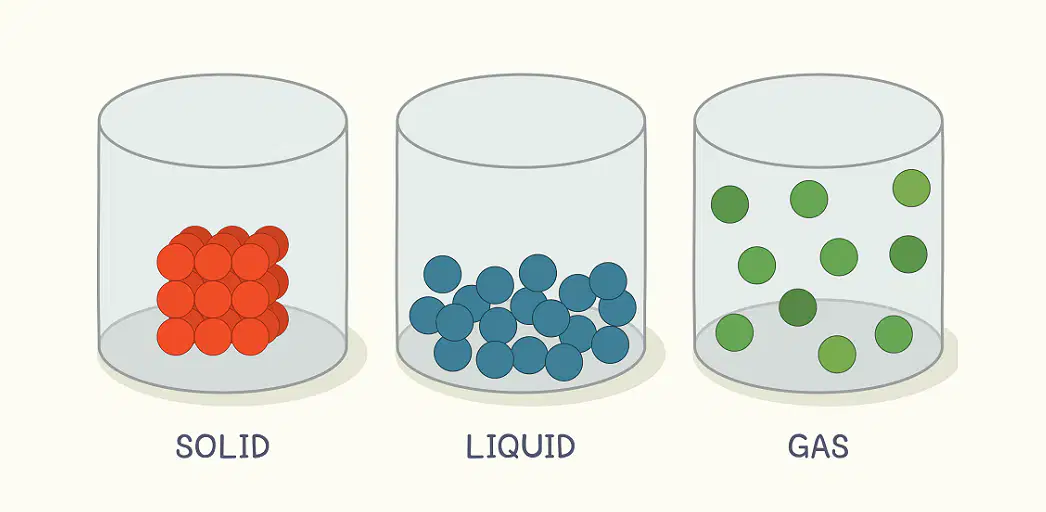
What is the shape and volume of a solid?
No definite shape, definite volume
Definite shape, definite volume
No definite shape, no definite volume
Definite shape, no definite volume

How are particles arranged in a solid?
Particles are far apart and move freely
Particles are packed, very dense
Particles are loosely packed and slide past each other
Particles are randomly arranged

What type of particle movement occurs in solids?
Particles move freely
Particles vibrate in place
Particles slide past each other
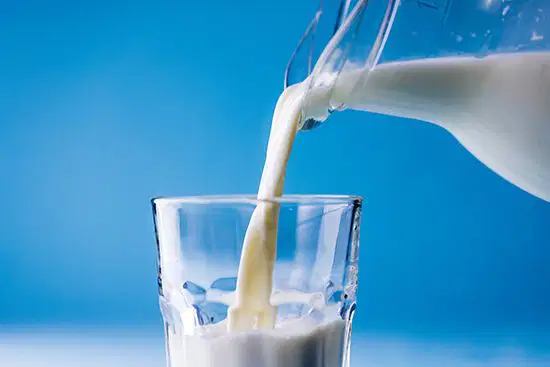
What is the shape and volume of a liquid?
No definite shape, definite volume
Definite shape, definite volume
No definite shape, no definite volume
Definite shape, no definite volume

What is the shape and volume of a gas?
No definite shape, definite volume
Definite shape, definite volume
No definite shape, no definite volume
Definite shape, no definite volume
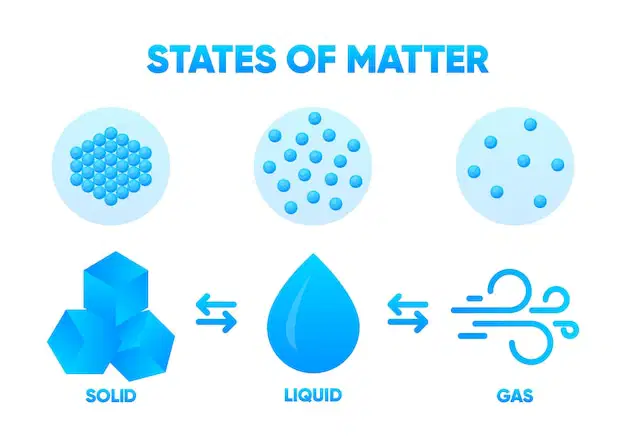
How are particles arranged in a liquid?
Particles are far apart and move freely
Particles are packed very dense
Particles are close together, but not tightly packed
Particles are randomly arranged
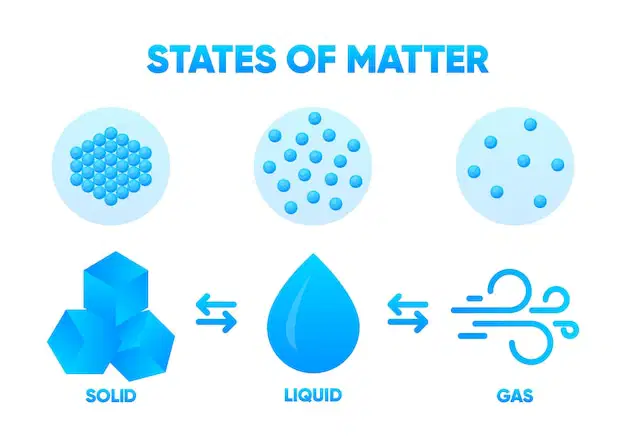
What type of particle movement occurs in liquids?
Particles move freely
Particles vibrate in place
Particles slide past each other

What is the strength of attractive forces in solids?
Very weak
Moderate
Very strong
Non-existent
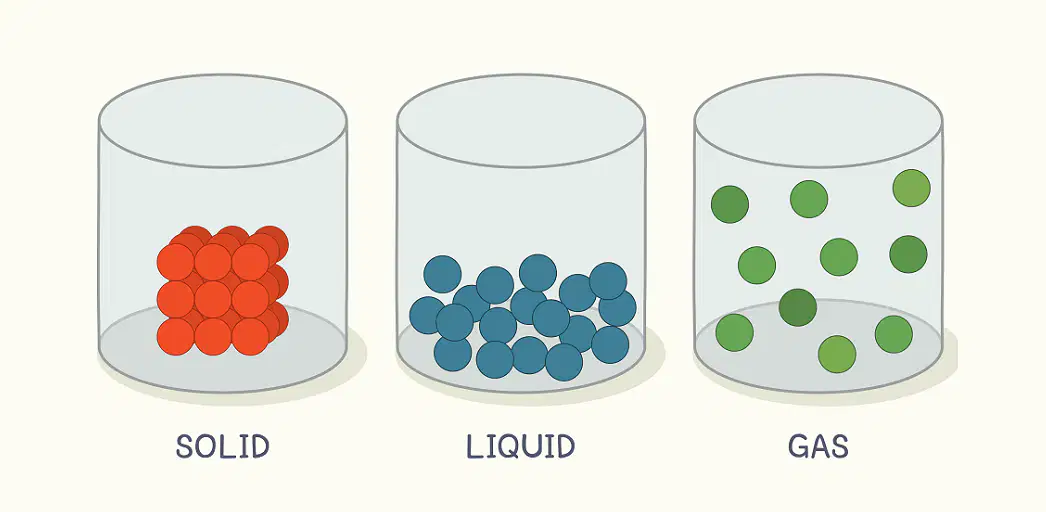
What is the strength of attractive forces in liquids?
Very weak
Weaker than in solids
Very strong
Non-existent
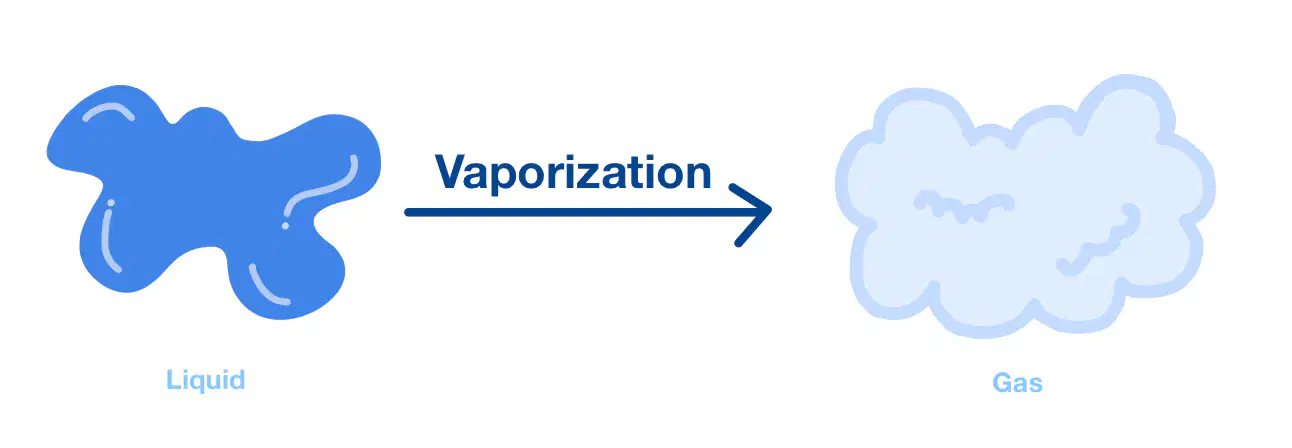
Which phase change involves a liquid turning into a gas?
Melting
Freezing
Vaporization
Condensation
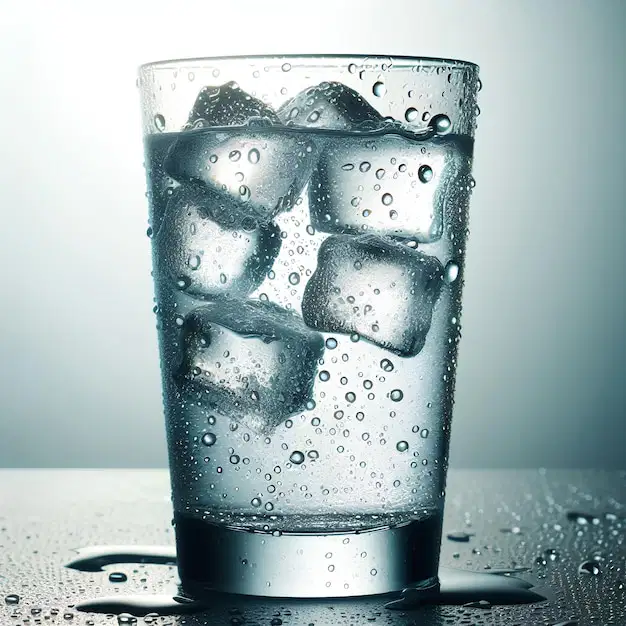
Which phase change involves a gas turning to a liquid?
Melting
Freezing
Vaporization
Condensation

What is melting?
solid to liquid
liquid to gas
gas to liquid
gas to solid

What is freezing?
melting
solid to liquid
liquid to gas
liquid to solid
gas to solid
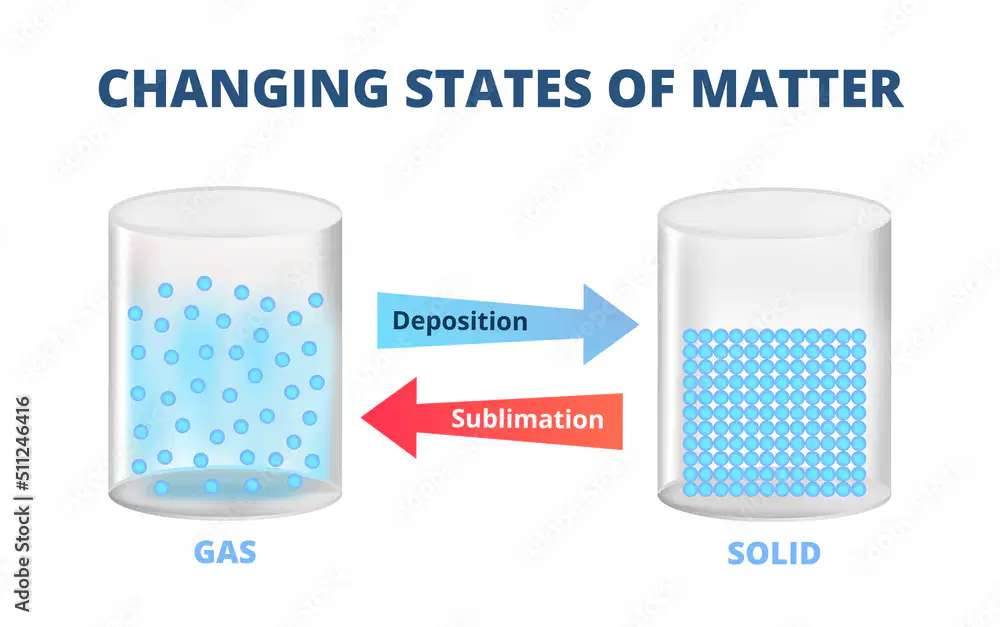
What is deposition?
melting
solid to liquid
gas to solid
liquid to solid
gas to solid
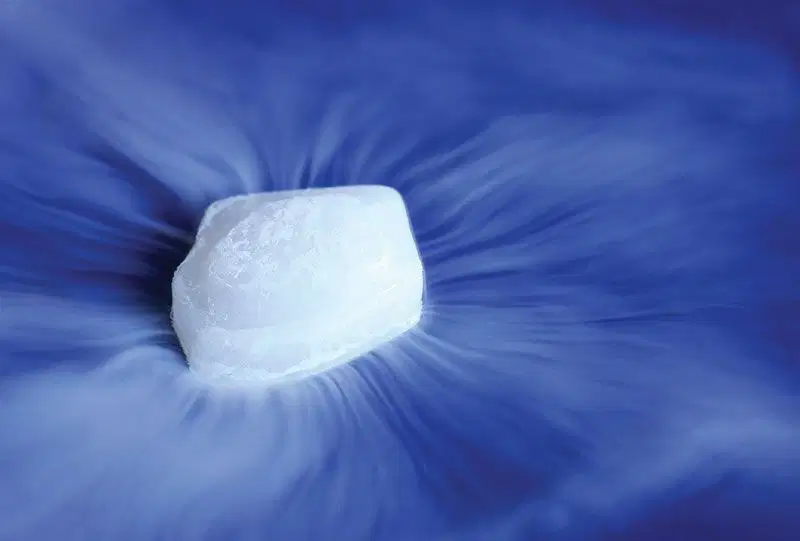
What is sublimation?
melting
solid to liquid
liquid to gas
gas to liquid
solid to gas
If the atoms of an object are moving fast, the temperature would be...
High
Low
When thermal energy is added to a substance, the substance's particles move:
More rapidly at an increased distance from each other.
More slowly with a greater distance between each other.
More rapidly with less distance between each other.
More slowly with a reduced distance between each other.
Particles in a solid move __________, than particles in a gas.
faster
slower
more randomly
more fluidly
Particles in a liquid move __________, than particles in a solid.
faster
slower
less randomly
less fluidly

TRUE OR FALSE
All matter is made up of tiny particles that are in constant motion and are colliding with each other and the walls of their container.
TRUE, this is the Kinetic Theory of Matter
FALSE

Energy in motion
Kinetic Energy
Potential Energy

Stored energy due to position
Kinetic Energy
Potential Energy
TRUE OR FALSE.
Increased temperature of a substance increases the kinetic energy of its particles.
TRUE, this results in the particles moving faster and farther apart.
FALSE
Which are temperatures where a material changes phases?
melting point
boiling point
condensing point
freezing point
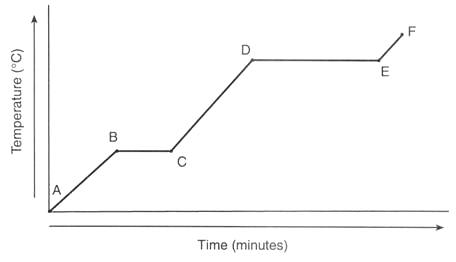

NaCl was heated starting at an initial temperature of 0°C. The heating curve is shown in the picture.
What is the melting point of this substance?
0°C
801°C
1000°C
1465°C

In which region(s) does temperature increase?
Region C only
Regions B and D
Regions A, C, and E
Regions A and B
In which region is the substance a liquid?
A
B
C
E
In which region is the substance a gas?
A
B
C
E
In which region is the substance a solid?
A
B
C
E
In which region is melting occurring?
A
B
C
D
In which region is vaporization occurring?
A
B
C
D

