
 Worksheets
Exam 3!
Total questions: 71
Worksheet time: 49mins


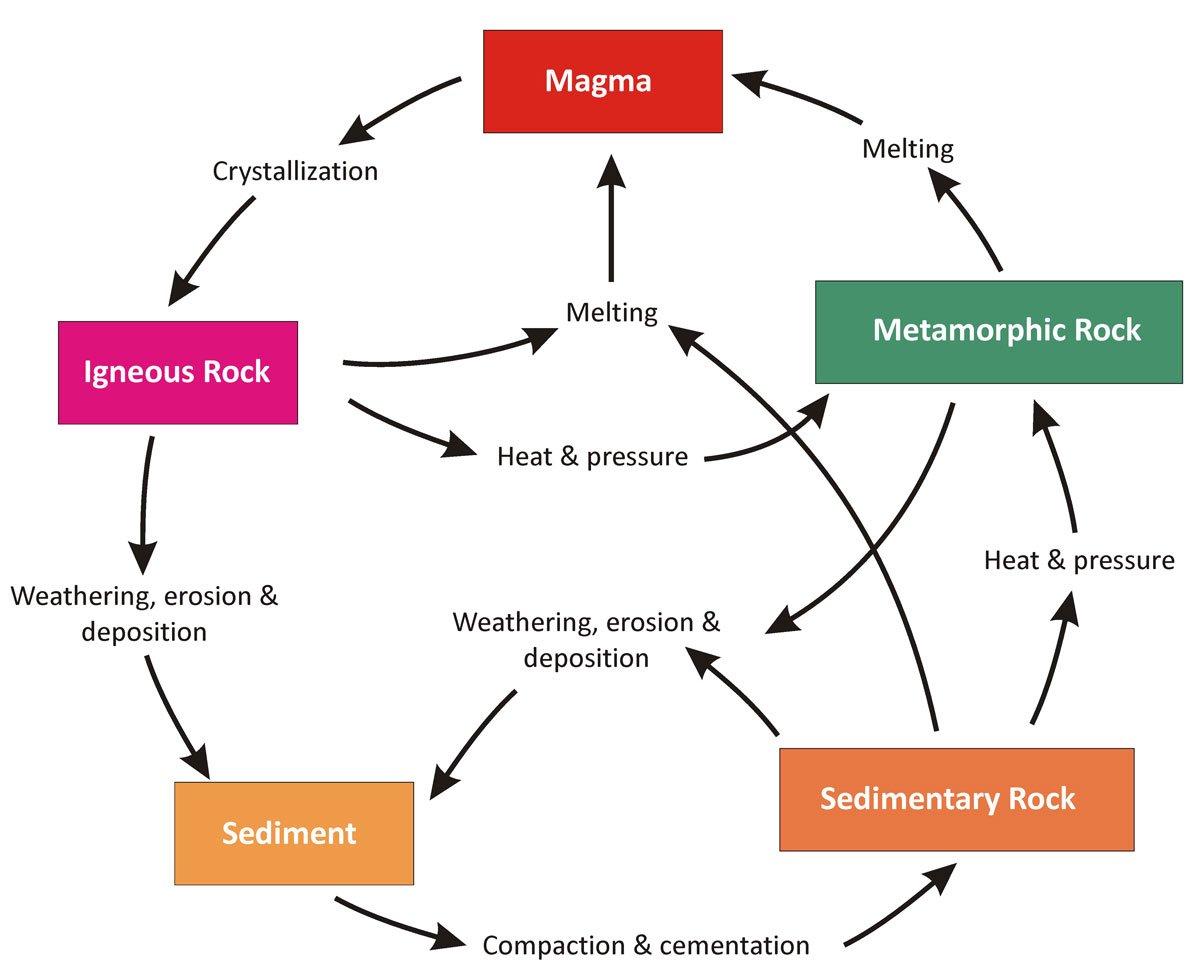
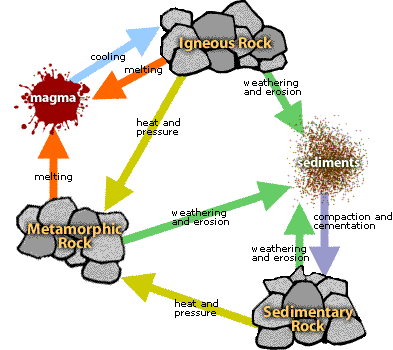


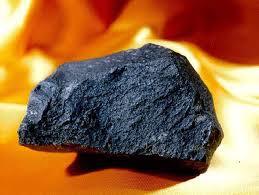

This rock was formed when molten rock cooled into a solid. What type of rock is it?
Igneous Rock
Metamorphic Rock
Sedimentary Rock

This sample of marble is illustration foliation.
True
False


Limestone is an example of...
Sedimentary
Igneous
Metamorphic

Granite is an example of...
Igneous
Metamorphic
Sedimentary

Marble is an example of...
Igneous
Sedimentary
Metamorphic

Pumice is an example of
Igneous
Metamorphic
Sedimentary

Quartzite is an example of...
Metamorphic
Igneous
Sedimentary

Basalt is an example of...
Igneous
Sedimentary
Metamorphic

Shale is an example of...
Metamorphic
Sedimentary
Igneous

Gneiss is an example of...
Igneous
Sedimentary
Metamorphic

Obsidian is an example of...
Igneous
Sedimentary
Metamorphic

Coal is an example of...
Igneous
Sedimentary
Metamorphic

Conglomerate is an example of...
Igneous
Sedimentary
Metamorphic
Mechanical vs. Chemical weathering
Chemical can change the nature of the rock
Chemical cannot change the nature of the rock
Erosion is mechanical, driven by water & gravity
Mechanical cannot change the nature of the rock
well-sorted = ?
poorly sorted = ?
chunks
well sorted = equal chunks
poorly sorted = unequal chunks
well sorted =unequal chunks
poorly sorted = equal chunks
Sedimentary rocks are sorted by ...
color
size of the minerals
size of the rock
An example of well-sorted & rounded rock can be found ...
rivers
moutains
underground
Ripples ...
ups and downs = mountains
mud cracks = swamp
ups and downs = lake/water
steep & 2 directions = sand dunes
silicates vs. non-silicates
silicates = irons
silicates = made of silica/glass
non-silicates = hard minerals
non-silicates = essentially made up of bone/fossils
sedimentary rocks DO NOT have crystals or bright colors
True
False
Igneous = ?
crystals
glass
iron
Intrusive vs. Extrusive
Intrusive = formed inside the ground
Extrusive = formed from magma (form lava)
Intrusive = formed from magma (form lava)
Extrusive = formed inside the ground
Felsic
light
dark
Mafic
light
dark
Why is mafic dark?
it is high in metal
it is coal
it is not dark
Yosemite is an example of what type of rock?
Igneous
Metamorphic
Sedimentary
Metamorphic rocks are at _____ boundaries
divergent
convergent
transform
Mafic color
grey
white
black & green
Aphanitic
extrusive
small crystals
fine grained
large crystals
Porphritic
large crystals
extrusive
intrusive
Glassy
organization
no organization
Pyroclastic material
ash
minerals
iron
glass
Scroria
- light
- mafic
- felsic
- light
- vesicular
- dark
- mafic
What does vesicular mean?
contains air bubbles
contains fossils
Where would we find mafic, igneous rocks?
Bottom of the ocean
Hotspots
Rivers
Moutains
Ultramafic color
green
black
white
Silica will ___ to the ___ & metal ___ to the ___.
sink
bottom
float
top
float
top
sinks
bottom
Example of rock turning metamorphic
Igneous rocks cannot be turned metamorphic
If igneous rock gets baried the rock may turn metamorphic
Why are metamorphic rocks so dense?
because they are packed
they are not
Foliation
minerals
layers
exfoliant
Slate
heavy
uneven
like tile when hit
Marble
BIG crystals
SMALL crystals
Quartizine
SMALL crystals
"powdered sugar on it"
BIG crystals
Grade
degree of change
amount on assignment

Burial
low pressure
high pressure

Contact
high temperature
high pressure
low pressure
low temperature

Subduction
high temperature
low pressure
high pressure
low temperature
Subduction


Contact


Burial


Why can we commonly find mafic rocks at the bottom of the ocean?
Because that is where magma that forms them is due to the mantle layer
You do not find mafic rocks at the bottom of the ocean

