
 Worksheets
Elements, Compounds, Mixtures with Periodic Table
Total questions: 52
Worksheet time: 55mins

What does this illustrate
Elements
Compunds
Mixture of Elements and Compunds
Mixture of Compounds
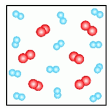

Propane is a....
Element
Compound
Mixture


In this diagram, X represents...
A compound
A mixture
An atom
An element

In this diagram, Y represents...
An element
A molecule
A compound
A mixture
Which example is a compound?
N2
O2
Cu
H2O2
Examples are diamonds (C) and Uranium (U)
elements
mixtures
compounds

diagram "a" is an example of a(n)
element
compound
mixture
diagram "b" is an example of a(n)
element
compound
mixture
diagram "d" is an example of a(n)
element
compound
mixture

This picture is a model of...
an element
a compound
a homogenious mixture
a heterogeneous mixture.

The image below is an example of
a homogeneous mixture
a compound
a heterogeneous mixture
an element

The image below is an example of
an atom
a molecule
a homogeneous mixture
a heterogeneous mixture
Which of the following explains why saltwater is considered a mixture?
It is composed of one element.
It is composed of one compound.
It is composed of two or more substances and has new chemical properties.
It is composed of two or more substances and retains their own chemical properties.
Symbol for an element can be found on the
Periodic Table
Picnic Table
Mixture Table
A pure substance that cannot be broken down into any other substance.
Elements
Compounds
Mixtures
A(n) ______________ is formed when two or more elements chemically combine.
Compound
Element
Mixture

Chex mix is a
Mixture
Compound
Element
All matter is made of _________.

What is this table
Elemental Table of Periods
Atomic Table of Atoms
Periodic Table of Elements
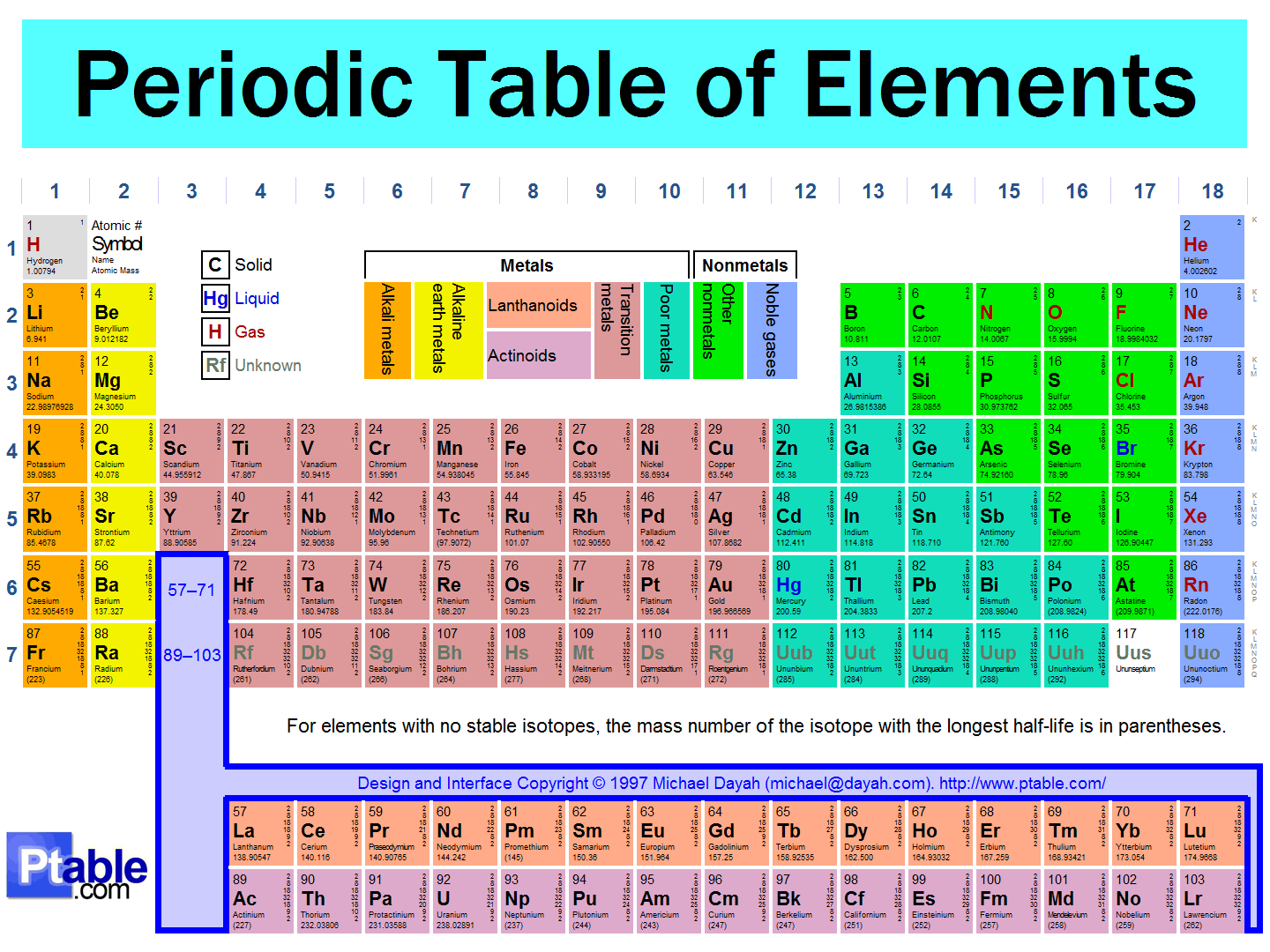


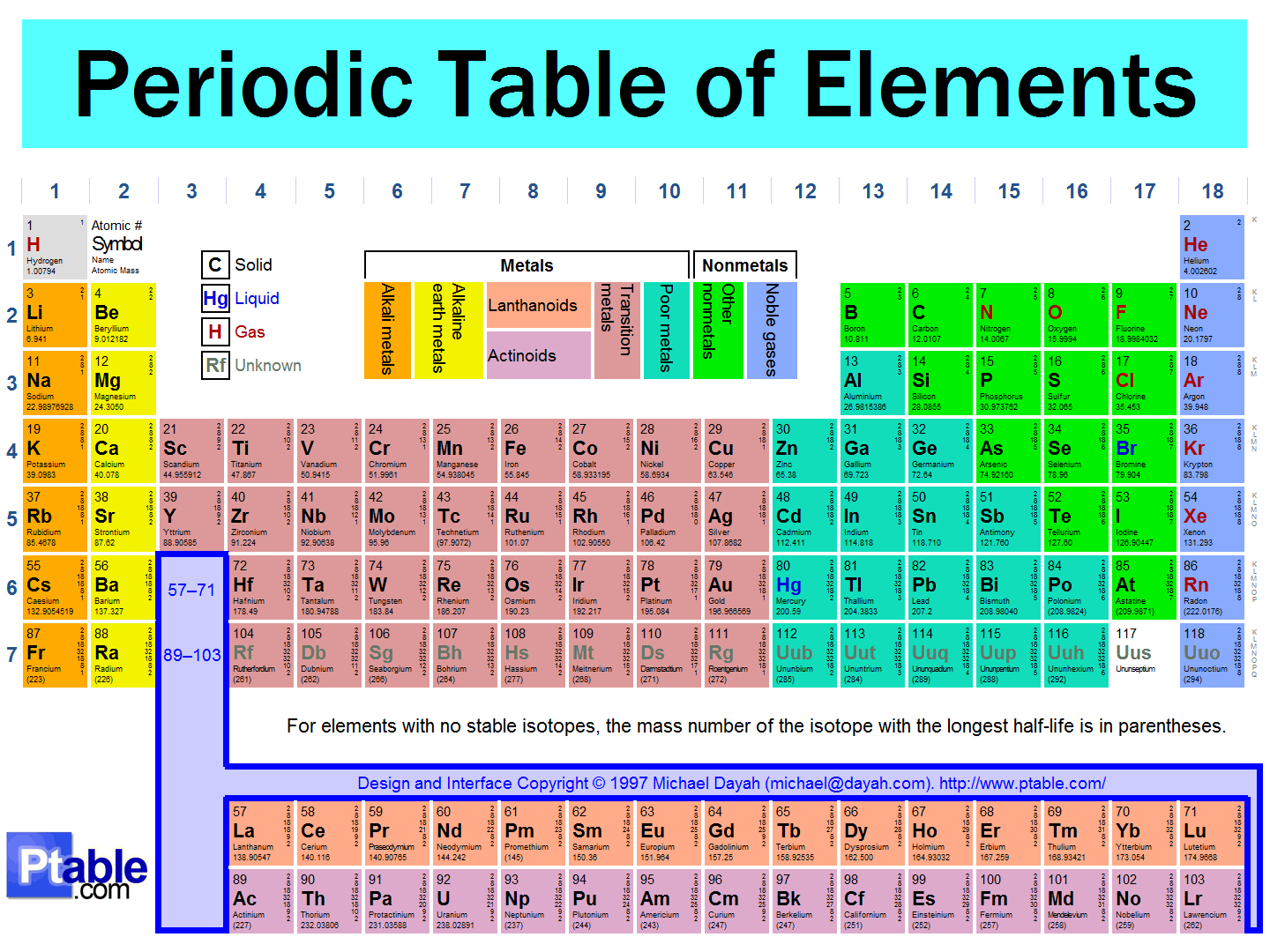
This group of elements have properties that are opposite those of metals. ______________________
luster
nonmetals
metalloids
metals
The substances in this mixture DO NOT blend smoothly throughout, and the individual substances that compose the mixture can be detected or seen.
Homogeneous mixture
Heterogeneous mixture
Pure substance
Suspension
Solutions are ___________ mixtures.
Solid
Homogenous
Heterogeneous
Gas
Name this group: These metals are the most reactive.


Name this group: These metals are the second most reactive.


Name this group: These metals contain familiar metals such as gold, iron, and copper.


Which of the following could be properties of nonmetals?
Poor electrical conductivity
Poor thermal conductivity
Dullness
Brittleness
How many groups or families are on the periodic table?
18
20
7
9
How many periods are on the periodic table?
7
18
9
20
Why is air not found on the Periodic Table of Elements?
Air is a compound.
Air is a mixture of gases, nitrogen, oxygen, carbon dioxide, & other trace gases.


The three subatomic particles are
proton, neutron, electron
proton, nucleus, electron
protein, neutron, electricity
proton, neutral, electives
Electrons are
negative
positive
neutral
Protons are
negative
positive
neutral
Neutrons are
negative
positive
neutral

