
 Worksheets
REVIEW CHAPTER 5 PROPERTIES OF MATTER
Total questions: 160
Worksheet time: 4hrs 30mins
What is matter?
Anything that has color
Anything that takes up space and has mass
Only solid objects
Only liquids and gases
Which of the following is NOT a state of matter?
Solid
Liquid
Gas
Energy
What happens to ice cream on a warm day?
It freezes
It evaporates
It sublimes
It melts
Which of these has the most mass?
An inflated balloon
A deflated balloon
They have the same mass
It's impossible to tell without weighing them
What is the melting point of a substance?
The temperature at which it changes from a solid to a gas
The temperature at which it changes from a liquid to a solid
The temperature at which it changes from a solid to a liquid
The temperature at which it changes from a gas to a liquid
Which of these is a good thermal conductor?
Wood
Plastic
Rubber
Iron
What is thermal conductivity?
The ability to conduct electricity
The ability to conduct heat
The ability to change shape
The ability to change shape
Why are electrical wires often covered in plastic?
To make them look nicer
To make them stronger
To protect people from electric shocks
To conduct electricity better
What happens during evaporation?
Liquid particles throughout the substance turn into gas
Only particles at the surface of the liquid turn into gas
The liquid turns directly into a solid
The gas turns back into a liquid
At what temperature does water boil?
0°C
50°C
75°C
100°C
Which process happens at all temperatures?
Melting
Boiling
Evaporation
Freezing
What is the main difference between boiling and evaporation?
Boiling only happens at the surface, evaporation throughout the liquid
Boiling is fast, evaporation is slow
Boiling only happens to water, evaporation happens to all liquids
There is no difference, they are the same process
Which of these would increase the rate of evaporation?
Decreasing the temperature
Increasing the surface area
Covering the liquid
Adding more liquid
Which of these is NOT a property of gases?
They have mass
They take up space
They have a fixed shape
They can be compressed
Why are handles of cooking pans often made of plastic or wood?
Because they are cheaper materials
Because they are thermal insulators
Because they are thermal conductors
Because they look better
What happens to the particles of a substance when it changes from a solid to a liquid?
They move closer together
They stop moving
They move further apart
They disappear
Which of these is an example of a change of state?
Cutting paper
Dissolving sugar in water
Melting ice
Mixing oil and water
Which of these is an example of a change of state?
Cutting paper
Dissolving sugar in water
Melting ice
Mixing oil and water
What is matter? (choose the best answer)
Anything with mass and takes up space
Where to begin?
Solids
things I can see and touch
The three common states of matter are
Solid, Liquid, Plasma
Solid, Plasma, Gas
Plasma, Gas, Liquid
Solid, Liquid, Gas
A Solid has:
A definite Shape but not volume
Definite Shape and Definite Volume
Definite Volume but not a Definite Shape
Neither a Definite Shape nor a Definite Volume
Liquid has
A definite shape but not volume
definite shape and definite volume
definite volume but not a definite shape
neither a definite shape nor a definite volume
A Gas has:
a definite shape but not a definite volume
a definite shape and a definite volume
a definite volume but not a definite shape
Neither a definite shape nor a definite volume
What describes the characteristics of matter?
Properties
Chemicals
Plasma
States of matter
1. Matter is anything that takes up …
Space and mass
Solid, liquid, and gas
Space and time
Solid, liquid, and mass
A change of state happens when the substance gains ... and loses ...
Matter
Heat
Cool
Gass
A state at which a substance change into solid is called ...
Freezing point
Melting point
Gaseous point
Power point
What do we call if matter can conduct heat?
Electrical conductivity
Plasma conductivity
Fire conductivity
Thermal conductivity
The pan is made of metal, but why is the handle made of plastic/rubber?
Because the plastic can conduct heat, so it's safe to grab.
Because the plastic cannot conduct eletricity, so it's safe to grab.
Because the plastic cannot conduct heat, so it's safe to grab.
Because the plastic cannot conduct heat, so it's not safe to grab.
These matters can conduct heat, except ...
Iron, copper, and rubber
Copper, plastic, and alumunium
Alumunium, iron, and air
Air, water, and fire
Wood, rubber, and plastic are poor at conducting heat. it's called as ...
Thermal conductor
Thermal insulator
Electrical conductor
Electrical insulator
If you wear jacket, the air is trapped around your body. Does it mean air a thermal conductor or insulator?
Thermal conductor
Thermal insulator
Why is cable covered by plastic?
Because plastic can be a good conductor for electricity
Because it's electrical insulator, so human cannot get electrocuted when touching it
Because it's electrical conductor, so human can get electrocuted when touching it
Because it can prevent the copper from being rusted and broken
The ability to conduct electricity is called ...
Electrical magnetic
Electrical insulator
Electrical conductor
Electrical conductivity
We don't get electrocuted if we touch electricity with wood, because wood is ...
Electrical conductor
Electrical insulator
Electromagnetic
Electrodinamic
Are boiling and evaporation the same?
Yes, they are
No, They aren't
Boiling and evaporation change the state from ... to ...
Gas to liquid
Liquid to gas
Gas to solid
Liquid to solid
This is an example of boiling.
Drying fabric
A puddle on the road
Ironing clothes
Cooking noodles
A normal process that occurs when the liquid form changes into the gaseous form; while causing an increase in the pressure or temperature.
Boiling
Evaporation
Condensation
Melting
Requires specific temperature.
Boiling
Evaporation
Condensation
Melting
What composes any physical substance?
solid
liquid
gas
matter
What is the smallest unit of an element?
matter
atom
molecule
compound
Which state of matter is composed of tightly packed molecules, resulting in a firm substance?
solid
liquid
gas
plasma
Which state of matter is composed of freely moving molecules that do not usually separate?
plasma
solid
gas
liquid
Which state of matter is composed of freely moving molecules capable of indefinite expansion?
gas
liquid
solid
What is it called when one state of matter changes to another?
physical property
solubility
phase change
periodic table
What is the name for characteristics of a substance that can be measured without changing them chemically? These stay the same not matter how much of the substance you have.
physical property
chemical property
physical change
chemical change
The temperature at which liquids turn into gases
melting point
boiling point
freezing point
The temperature at which solids turn into liquids
freezing point
boiling point
melting point
The temperature at which liquids turn into solids
melting point
freezing point
boiling point
The measure of the total amount of matter contained within an object
mass
volume
weight
density
The substance in a solution that is being dissolved
solubility
solvent
density
solute
The substance in a solution that is dissolving the other
solvent
solute
solubility
density
The temperature at which a liquid becomes a gas is the __________ point.
freezing
boiling
condensation
melting
Density depends on __________.
weight
mass
mass and volume
volume
In the example of powdered drink mix dissolving in water, what do we call the substance that gets dissolved?
solubility
solute
density
solvent
Mass is a(n) __________ property.
natural
chemical
electrical
physical
The temperature at which a liquid becomes a solid is the __________ point.
freezing
boiling
condensation
melting
In the example of powdered drink mix dissolving in water, what do we call the substance that does the dissolving?
solubility
solute
density
solvent
The temperature at which a solid becomes a liquid is the __________ point.
freezing
boiling
condensation
melting
Which of these properties changes if the size of an object changes?
density
melting point
solubility
mass
Which of these is an example of a property of matter than can be observed without changing the identity of the matter?
flammability
reactivity
solubility
ability to rust

Two identical beakers containing water, which have not yet been placed in the sun, are shown. If both beakers are placed outside, in the sun, for the same amount of time, what effect will the sun have on the water in each beaker?
The water in beaker Y will heat faster because the volume of the water is greater.
The water in beaker Y will heat faster because the density of the water is greater.
The water in beaker X will heat faster because the density of the water is lower.
The water in beaker X will heat faster because the volume of the water is lower.
True or False. States of matter are solids, liquids, and gasses
True
False
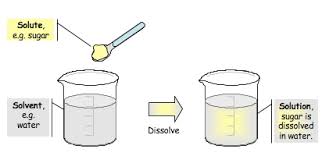
The ability of sugar to dissolve in water is called
malleability
Density
State
solubility
The amount of matter in a given space of volume
density
state
volume
mass
Based on these physical properties of a substance tell what the substance is. It is yellow, 12 cm long, six sided, and is not edible.
banana
school bus
pencil
beach ball

What is the least dense liquid in this container?
Honey
vegetable oil
lamp oil
water
Anything that has mass and takes up space
Matter
weight
volume
mass

True or false. Your mass would change if you went to another planet.
True
False
True or False. Melting butter is a physical change. Is it still butter?
True
false

Which block has more density?
The one on the right
The one on the left


Sand does not dissolve in water because it doesn't have good
particles
solubility
dissolvyness
When you cook water in a pot, you don't grab it with your hand because the metal pot has very good
hotness
malleability
thermal conductivity

Frying pan is made of metal because metal is a good .....
metallic material
electrical conductor
thermal conductor
thermal insulator
It has a definite shape and a definite volume. It is a property of ....
solid
electricity
gas
liquid
Matter can change from one state to the other because of temperature change.
The change from solid into gas is called.....
evaporation
condensation
sublimation
boiling
In the morning, there is a dew which causes the plants or leaves watery or wet. This change is called as ....
evaporation
condensation
sublimation
boiling
Which object below is thermal insulator?
sweater
ring
cooking pan
door hadle
When you reach in a bag without looking to pull out a gummy worm, what would you use to identify the gummy worm?
taste
physical properties
a good guess

The ability to conduct electrical current or thermal energy.
density
conductivity
malleability
ductility
When a solid turns into gas is called
Sublimation
Reverse sublimation
Condensation
Melting
Which of these things are matter
Oxigen
Oil
Love
Happyness
The three states of matter are
solid, liquid and gas
solid, liquid and shape
shape, size and state
Gases
don’t have a definite shape and don’t have a definite volume
don’t have a definite volume and have a definite shape
Solids
have a definitive shape and have a definitive volume
have a definitive shape and don't have a definitive volume
The process of matter changing from a solid to a liquid is called?
Freezing
Sublimation
Condensation
Melting
The process of matter changing from a solid to a gas is called .
Melting
Condensation
Sublimation
Vaporization
The process of matter changing from a gas to a liquid is called.
Condensation
Melting
Sublimation
Vaporization
When chemical change occurs (ex. iron to iron oxide), molecules and/or compounds are rearranged or broken down and rebuilt.
True
False
In a physical change, a new substance is formed and energy is either given off or absorbed.
True
False


What are the three states of matter?
solid, liquid, air
solid, liquid, gas
juice, solid, gas
brick, milk, smoke
A _____________ is something about an object that you can observe with your senses.
matter
mass
volume
property
How many states of matter are there?
2
3
4
5
Complete this sentece: "Matter is anything that ...
the amount of matter in an object".
you can smell".
takes up space and has mass".
changes into liquid".
Which picture describe something bumpy


Is it salty, sweet, sour or bitter?
salty
sweet
sour
bitter

Is it salty, sweet, sour or bitter?
salty
sweet
sour
bitter

Is it salty, sweet, sour or bitter?
salty
sweet
sour
bitter
Which is an example of water's solid state?
ice in a skating rink
rain falling from clouds
a waterfall in a river
steam rising from a pasta pot
When a metal mailbox is rusting because of the weather, the rust is an example of
a physical change
a chemical change
magnetism
texture
What are the three main states of matter?
solid, liquid, color
liquid, gas, solid
gas, texture, liquid
solubility, liquid, odor
When a hammer breaks a large rock into smaller pieces, the broken rock is an example of
a physical change
a chemical change
solubility
density
What are two tests for determining if something is matter?
it melts and tastes good
it takes up space and can be seen
it takes up space and has properties that can be observed
it can only be seen with a microscope and it is a chemical
Properties of matter that can be measured or observed without changing the basic nature of the matter.
Chemical properties
property
matter
Physical properties
A characteristic or quality
material
matter
property
solid
Anything that takes up space and has mass
property
matter
solid
liquid

This is an example of what type of matter?
solid
liquid
gas

This is an example of what type of matter?
solid
liquid
gas

This is an example of what type of matter?
solid
liquid
gas
Choose all of the following that are examples of a GAS.


Choose all of the following that are examples of a LIQUID.

What does this drawing represent? (not chemically bonded, and only one type of atom present)
element
compound

What does this drawing represent? (more than one atom present and they are chemically bonded)
element
compound

The sun is considered matter.
true
false

This oatmeal is an example of a...
compound
homogeneous mixture
heterogenous mixture

Pure water is an example of a...
compound
homogeneous mixture
heterogenous mixture
In which state of matter do the particles vibrate in place?
liquid
solid
gas
plasma

Ice cubes melting into water is an example of
chemical change
physical change

The ability of a substance to catch on fire and burn is a
chemical formula.
state of matter.
chemical property.
physical property.

Pizza, soil, and lemonade are all examples of
compounds.
atoms.
mixtures.
elements.

A car rusting is an example of a
physical change.
chemical change.
Someone added a powder chemical to a solution and started mixing it, after several minutes the person couldn’t see the particles of the powder in the solution. If the professor asked the person to classify this powder, how will the person classify it?
Insoluble
Soluble
Aqueous
Diluted
Is everything that takes up space...
volume
space
matter
weight
The three states of matter are
solid, liquid and gas
solid, liquid and shape
shape, size and state
What is matter?
Anything that takes up space
Anything that has weight
Anything that has mass and takes up space
Anything that has weight and takes up space

a chemical combination of 2 or more different elements
element
compound
mixture
solution

Everything around us that is matter is made up of these very small particles called....

This image of a pencil that is broken in half is an example of a(n) _______________ because it is still the same type of matter.
a chemical change
a physical change

2 or more of the SAME element bonded together is called...
a molecule
a base
a gas
atomic number
The smallest unit of an element.
matter
element
atom
molecule
Basic building block of physical matter that cannot be broken down into simpler substance.
matter
atom
element
molecule
A desk, chair, car and book are all examples of what?
gas
liquid
solids
oxygen
A desk, chair, car and book are all examples of what?
gas
liquid
solids
oxygen
A measure of the gravitational force acting on an object.
weight
atom
liquid
solid
What is Matter?
the measure of how heavy or light something is for its size
the force of gravity on an object's mass
anything that has both mass and volume
the amount of space an object takes up

How would you measure the volume of an oddly-shaped object, like a teacup?
by placing it in a room without any gravity
by placing the cup in water and measuring how high the water rises
by placing it on a scale
by breaking the cup into tiny pieces and placing those pieces in a beaker

What is density?
the amount of space that an object takes up
anything that is solid, liquid, or gas
the amount of matter contained in an object
the measure of how light or heavy something is for its size

Which word describes the photo best?
volume
size
odor
density
Liquid A and liquid B are poured into the same container. Liquid B separates and stayed on top while liquid A remained on the bottom. Which explains why the two liquids separated into two distinct layers.
they are different colors
they have different volumes
they have different densities
they are in different states of matter

