
Font size
 Worksheets
Pollution Review
Total questions: 46
Worksheet time: 30mins

a leaking pipe
Point
Non-Point

Washing your car in your driveway
Point
Non-Point

Factories releasing gases into the atmosphere
Point
Non-Point
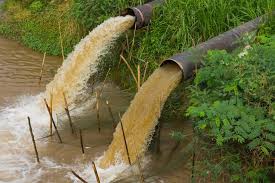
Chemicals released from an Industrial Plant directly into a river
Point
Non-Point
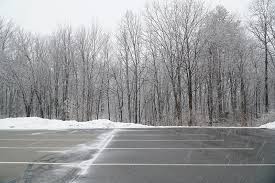
Snow melts in parking lots and carries oils into nearby waterways
Point
Non-Point

Acid Rain
Point
Non-Point

Disposing of paint and other household hazardous materials down the drain
Point
Non-Point

A farmer stores containers of pesticides in the barn and the containers leak
Point
Non-Point

Containers at a food processing plant leaking fat and animal juices
Point
Non-Point

A ship carrying gasoline runs into shore and spills large amount of gasoline.
Point
Non-Point

Pollution that comes from a single source
Point
Non-Point

Pollution that comes from MANY different places and is hard to identify its source.
Point
Non-Point
Which of the following is a source of air pollution?
Difficulty in breathing
Factories
Eye irritation
Drinking water
Where does most air pollution come from?
Human activities
Wildfires
Volcanic eruptions
Allergens
Check all that are considered primary air pollutants.
Sulfur dioxide
Carbon dioxide
Ozone
Methane
Which of the following is NOT a primary pollutant?
nitric oxides
smog
sulfur dioxide
volatile organic compounds
The ozone layer is damaged by
CFCs
Increase in greenhouse gases
Increased global temperatures
Sulfuric and nitric acids
A secondary pollutant such as ozone would form
early in the morning when most emissions happen
mid day- late afternoon, due to the reaction needing sunlight and car emissions
at night, the reaction takes a long time to process
Where do most Americans live?
in urban areas
on producing farms
in rural areas
There is an equal distribution of people across the land
Which of the following is an example of how people use land?
to harvest wood
to grow crops
to preserve native species
All of the above
Why is it important to preserve farmland?
Farmland provides crops and fruits to support urban and rural populations.
Farmland moderates the temperature of urban areas.
Farmland provides an important oxygen source for urban areas.
All of the above
Regardless of where people live, they are dependent on resources produced in
wilderness areas.
urban areas.
national parks.
rural areas.

light pollution

noise pollution

Urban Heat Island

Land Preservation
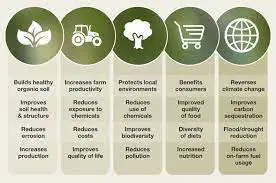
Five ways in which agriculture land affects or impacts natural areas negatively are:
Degradation
Climate Change
Deforestation
over irrigation
Antimicrobial resistance
Desertification
Water flow
Water resistance
Dehydration
Micro increments
Increase animals and plant population
Increase biodiversity
Increase water flow
Increase genetic variations
Improve water quality
Increase natural fertilizers
degradation of water sources
land used for growing and harvesting wood, and harvesting wildlife, fish, nuts, and other resources
rangeland
forest land
urban land
farm land
Land used to graze livestock and wildlife
rangeland
forest land
farmland
urban land
The main human activity that releases greenhouse gases is
using public transportation and there by reduce the affects of greenhouse gases.
burning fossil fuels
texting on cellphones
eating meat
Which of the following is contributing to an INCREASE in carbon dioxide in the atmosphere?
deforestation
photosynthesis
oceans
all of the above
the loss of animal species
The replanting of trees in an area where there was once a forest which was destroyed or damaged.
Deforestation
Reforestation
Afforestation
Biodiversity
Protects the environment through the responsible use of natural resources.
Clear Cutting
Conservation
Ecosystem
Preservation
Protects the environment from harmful human activities.
Clear Cutting
Conservation
Ecosystem
Preservation
Reduction in the capacity of a forest.
Clear Cutting
Slash and Burn
Ecosystem
Forest Degradation
Where do most Americans live?
in urban areas
on producing farms
in rural areas
There is an equal distribution of people across the land
Which of the following is an example of how people use land?
to harvest wood
to grow crops
to preserve native species
All of the above
Heat islands affect local
traffic patterns
water levels.
weather patterns
harvest patterns.
True or False: 'Sustainable' means causing little or no damage to the environment and therefore able to continue for a long time.
True
False
What methods are used in industrial agriculture?
Monocultures
Companion Planting
Pesticides
Chemical Fertilizers
Deforestation can lead to _________
loss of animal habitats
soil erosion
increases in Earth's average surface temperature
all that is listed

