
 Worksheets
Mineral nutrition and cellular respiration
Total questions: 16
Worksheet time: 8mins
A(n) ________________________ is a layer of cells in the roots and stems that regulates movement of water and nutrients
epidermis
cortex
endodermis
none of the answers are correct
Water can get to the xylem through the ________________ pathway, which is considered active absorption. Water passes through one cell to the next through plasmodesmata.
apoplast
symplast
apoloplast
none of the answers are correct
What causes water to move up the xylem to the leaves?
cohesion
adhesion
capillary action
all of the answers are correct
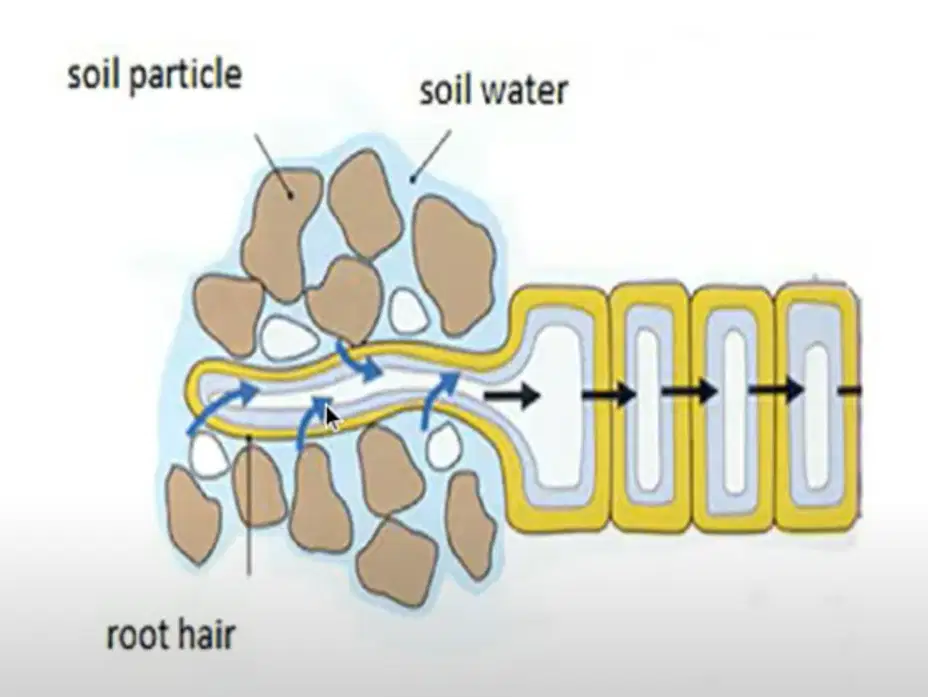
Minerals move in through the root via osmosis. Minerals go from lower water potential to higher water potential in the root hair cell.
true
false
Dried blood and fish meal are inorganic nitrogen fertilizers.
true
false
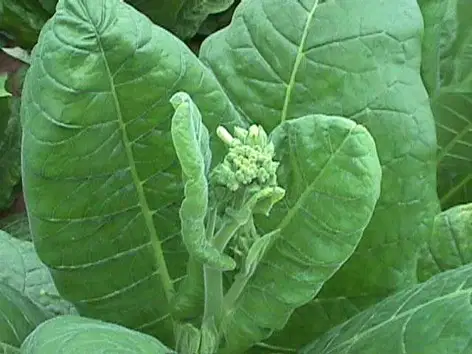
Deformed terminal leaves are a sign of _______________ deficiency.
phosphorus
nitrogen
iron
calcium
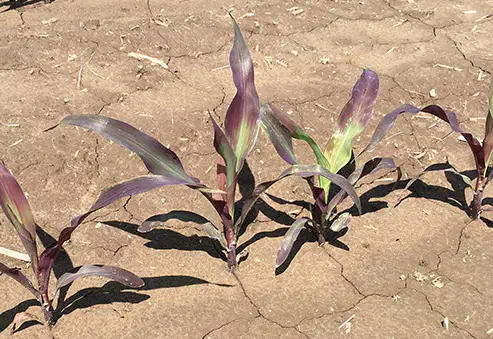
Purplish leaves and stems are a sign of _______________ deficiency.
phosphorus
nitrogen
iron
calcium
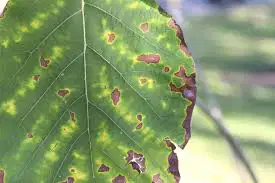
Mottled, spotted, and curled older leaves are a sign of _______________ deficiency.
phosphorus
nitrogen
iron
potassium
Water potential is a measure of how freely water molecules can move.
true
false
When water molecules are attracted to water molecules, this is called ________________.
cohesion
adhesion
capillary action
none of the answers are correct
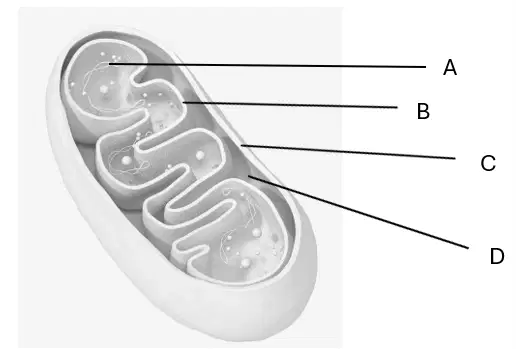
The image is of a mitochondrion. Point "D" is the ___________________.
matrix
intermembrane space
cytoplasm
intercellular space
Most of the ATP created during cellular respiration is created during the ________________ phase.
Krebs cycle
electron transport chain
glycolysis
none of the answers are correct
During oxidative phosphorylation, H20 is the final electron acceptor.
true
false
During the Citric Acid Cycle, Coenzyme A merges with Oxaloacetic Acid to create citrate.
true
false
Every phase of cellular respiration requires oxygen.
true
false
Glycolysis does not require oxygen.
true
false

